Article
Omega Discus & Butterfly Watches: Durability, Pricing, and Top Models Reviewed
Quick Questions
- What makes the Omega Discus and Butterfly series stand out among luxury replica watches?
- How long can a super clone Omega Discus watch last with daily wear?
- What are the key differences between the Omega Discus and Butterfly models?
- Where can you find the most reliable Omega Butterfly replica at a fair price?
- Are Omega Butterfly watches worth the investment compared to other high-end replicas?
When exploring the world of high-end collectible timepieces, the Omega Discus and Butterfly collections often spark curiosity due to their unique designs and technical specifications. These watches are not just about telling time; they represent a blend of craftsmanship and aesthetic appeal that attracts both collectors and casual enthusiasts. In this analysis, we delve into the durability, pricing, popular references, and detailed specifications of these fascinating models, offering a comprehensive overview for those considering a purchase.
Durability and Build Quality
Assessing the longevity of a Omega requires understanding the materials and movement used. Most top-tier collectibles employ 316L stainless steel for the case and bracelet, which offers excellent corrosion resistance and a solid feel. The movement is the heart of any watch, and for these Omega models, reliable options include the domestic 2824, 2836, or the Japanese 9015, known for their stability. Some high-end versions even feature a decorated 4130 caliber, though this comes with a higher price tag. The key to durability lies in the quality of the assembly and the finishing of the movement, which reputable factories like Noob, VS, or ZF execute with precision.
To gauge real-world longevity, consider the power reserve and water resistance. Many Omega Discus collectibles offer a power reserve of around 48 hours, allowing the watch to run for two full days without winding. Water resistance is often rated at 100 meters, making them suitable for swimming and snorkeling, though not for deep-sea diving. The sapphire crystal on the dial is scratch-resistant, ensuring clarity over time. With proper care, including regular servicing and avoiding extreme conditions, these watches can last for several years, making them a viable choice for daily wear.
Price Spectrum and Value
The cost of Omega Discus and Butterfly collectibles varies significantly based on the factory and specifications. Entry-level options, often from smaller workshops, may be priced around $1,000, but these often come with flaws in finishing and movement reliability. Mid-range, produced by reputable factories, typically fall between $3,000 and $5,000. These offer better accuracy to the original, with features like 904L steel and improved movement. For those seeking the pinnacle of craftsmanship, some models with real gold plating or complex movements can exceed $10,000, but these are rare and cater to connoisseurs who value the finest details.
When evaluating value, compare the price to the quality. A well-made Omega at $4,000 can offer a wearing experience close to the genuine article, which might cost $10,000 or more. The decision ultimately hinges on your budget and expectations. It's also wise to consider the resale value, though collectibles typically don't appreciate, so buy for enjoyment rather than investment.
Popular Models and Their Unique Features
Among the Omega Discus collection, the Pterodactyl model (reference 210.22.42.20.01.003) stands out with its 42mm case, silver dial, and brown strap, exuding a classic yet sporty vibe. This model is powered by the Omega 8900 automatic movement, which offers a 60-hour power reserve and is chronometer-certified, ensuring accuracy within -4/+6 seconds per day. The Butterfly series, on the other hand, is often favored for its elegant design, suitable for both men and women, with options for gold plating and mother-of-pearl dials.
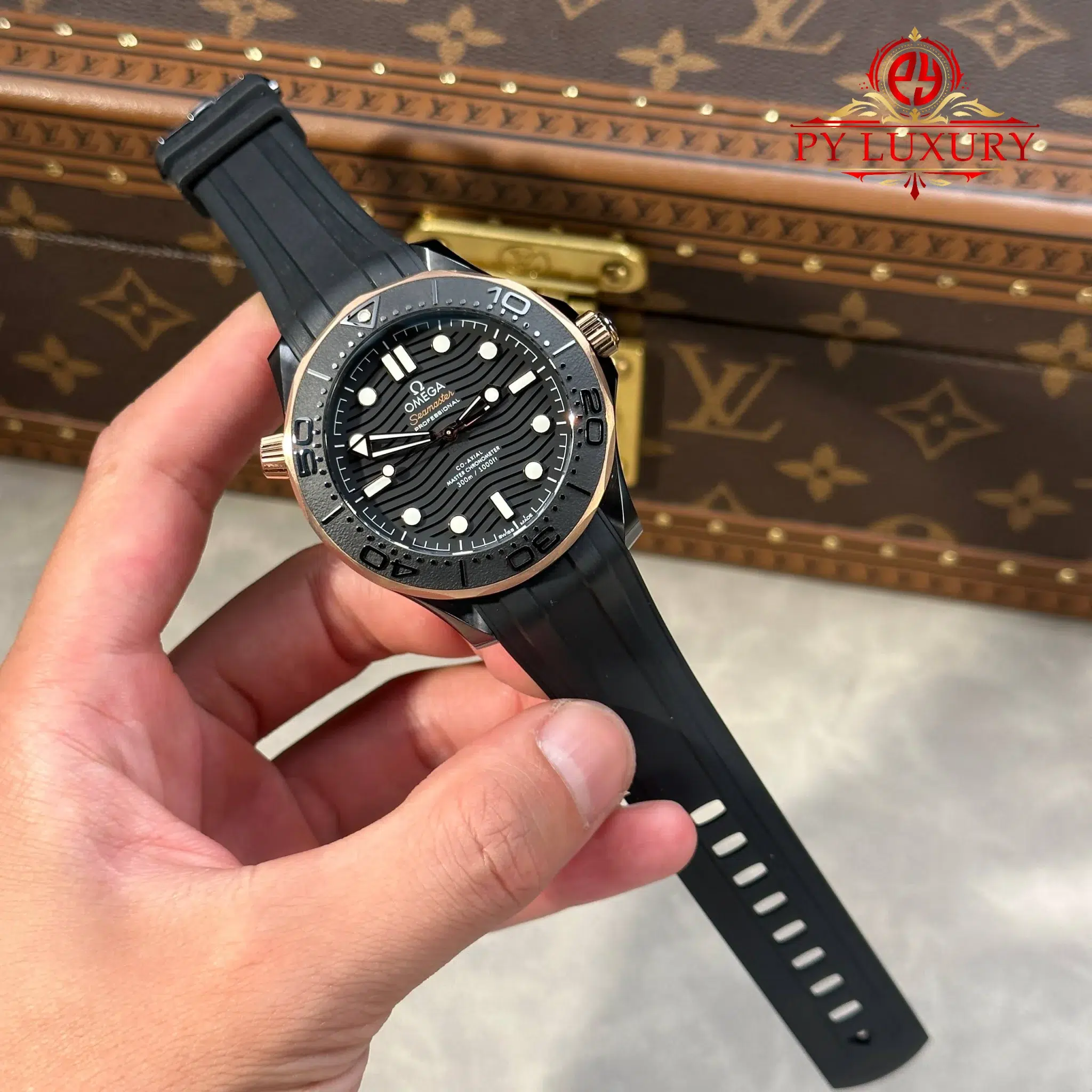
For those interested in the broader Omega market, notable models include the Noob Rolex Daytona, ZF Blancpain Fifty Fathoms, and JF Audemars Piguet Royal Oak, but sticking to the Omega brand, the Seamaster and Speedmaster lines are also popular. However, the Discus and Butterfly series offer a distinct personality that sets them apart.
Technical Specifications at a Glance
For the Omega Discus Pterodactyl, the key specs are: case diameter 42mm, thickness 8mm (ultra-thin), silver dial, brown strap with safety clasp, 100m water resistance, and 18mm lug spacing. The movement is an automatic Omega 8900 with 12 jewels, 28,800 vibrations per hour, and a power reserve of 60 hours. The crystal is sapphire, and the case is made of 316L solid steel, with a solid case back. This model weighs approximately 80 grams, making it comfortable for daily wear.
In contrast, the Butterfly models may vary in size, often around 38mm, with more decorative elements like diamond markers or mother-of-pearl dials. These are typically powered by quartz or automatic movements like the ETA 2824, offering reliable timekeeping. The choice between the two series depends on your preference for sporty versus elegant styling.
Online Reviews and Community Insights
Enthusiasts on forums often discuss the intricacies of Omega clasps and movements, highlighting the importance of examining the details to spot a quality. Common issues include loose pusher covers or misaligned logos, which can be easily fixed with proper tools. Many collectors recommend seeking out watches from established factories and checking for dealer warranties. The community is a valuable resource for identifying the best versions and avoiding common pitfalls.
In summary, the Omega Discus and Butterfly collectibles offer a fascinating glimpse into the art of. With careful consideration of durability, price, and specifications, you can find a timepiece that meets your needs and brings satisfaction for years to come.
More Questions About Omega Discus & Butterfly Watches
- How much does a high-quality Omega Discus replica cost in 2025?
- Is the Omega Butterfly watch worth buying for daily wear?
- What is the best factory for Omega Discus super clones?
- Where can I buy an Omega Butterfly replica online safely?
- How can I tell if an Omega Discus replica is authentic-looking?
- What movement is in the Omega Pterodactyl replica?
- How long does the Omega Butterfly watch last on a single wind?
- Are Omega Discus watches water-resistant for swimming?
- What is the difference between Omega Discus and Seamaster replicas?
- Which Omega Butterfly model has the most accurate dial?
- Can I replace the strap on an Omega Discus watch?
- How does the Omega 8900 movement compare to the 8500 in replicas?
- What is the power reserve of the Omega Butterfly replica?
- Are gold-plated Omega Discus watches prone to fading?
- What is the best site to buy Omega Butterfly replicas?
- How do I maintain my Omega Discus replica to prevent rust?
- Is the Omega Butterfly watch suitable for a woman's wrist?
- What is the lug width of the Omega Discus Pterodactyl?
- Do Omega Discus replicas come with a warranty?
- How does the price of Omega Butterfly compare to Rolex replicas?