Buy now · Free shipping worldwide; save $100 on orders over $2,000.

Buy Now

Article

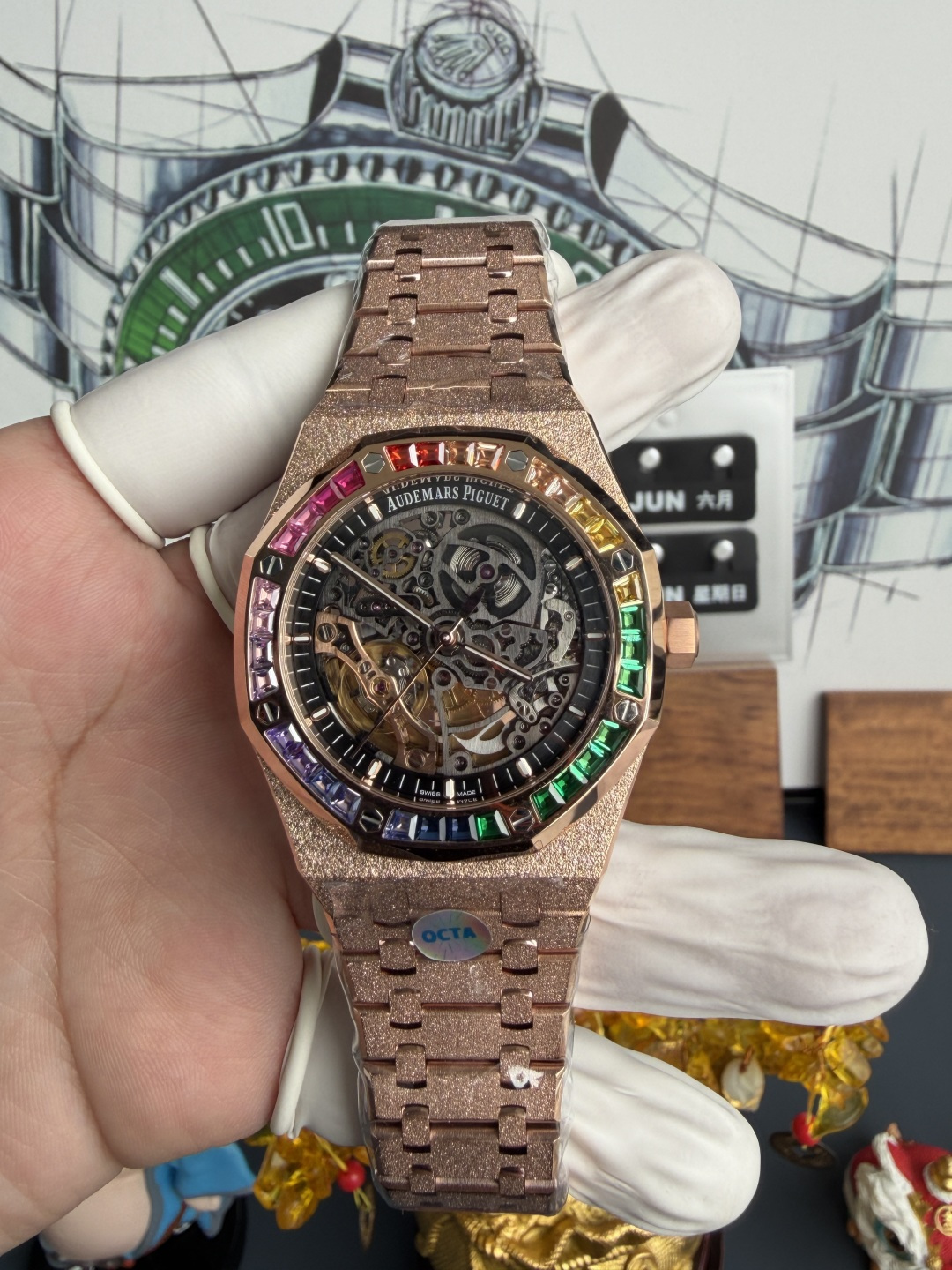
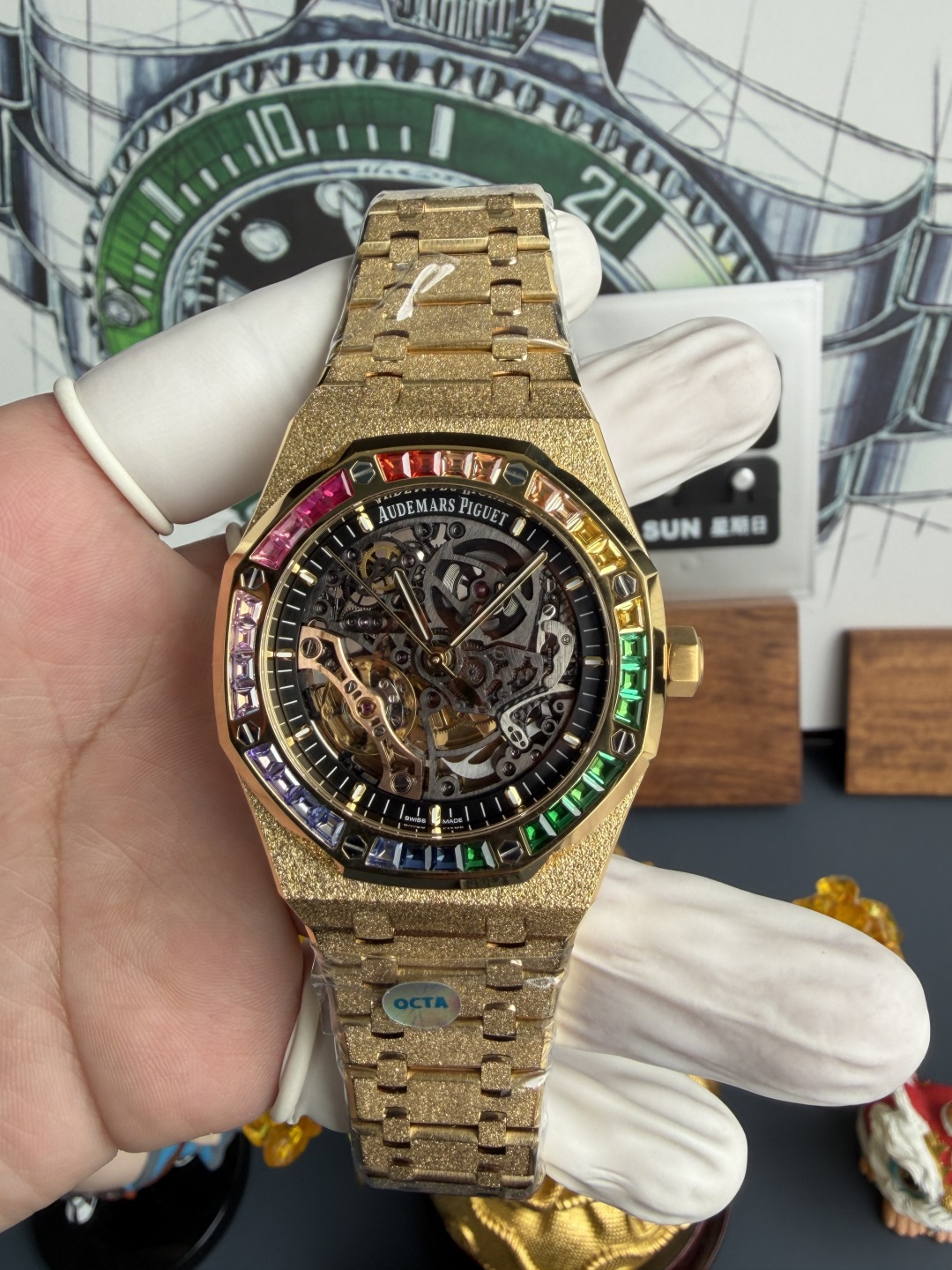
High collectible watches vs Genuine: Core, Polishing, and Material Differences Explained

Quick Questions

  • What are the key differences between high replica watches and genuine timepieces?
  • How does the movement inside a high replica compare to an authentic Swiss caliber?
  • Can the polishing on a high-end replica be distinguished from that of a genuine watch?
  • Why do replica watches use different materials than their genuine counterparts?
  • Is it worth investing in a high-quality replica Rolex instead of the real thing?

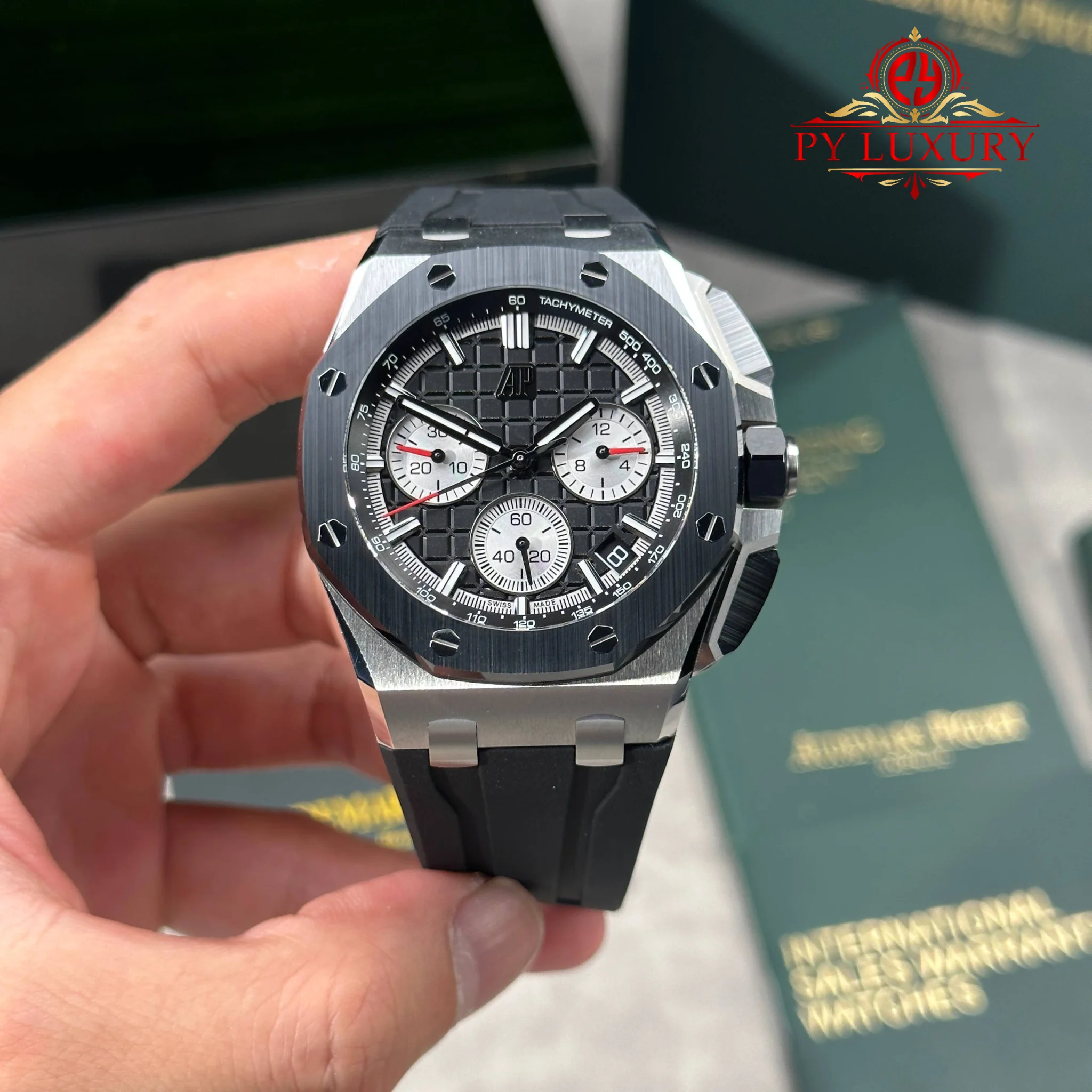
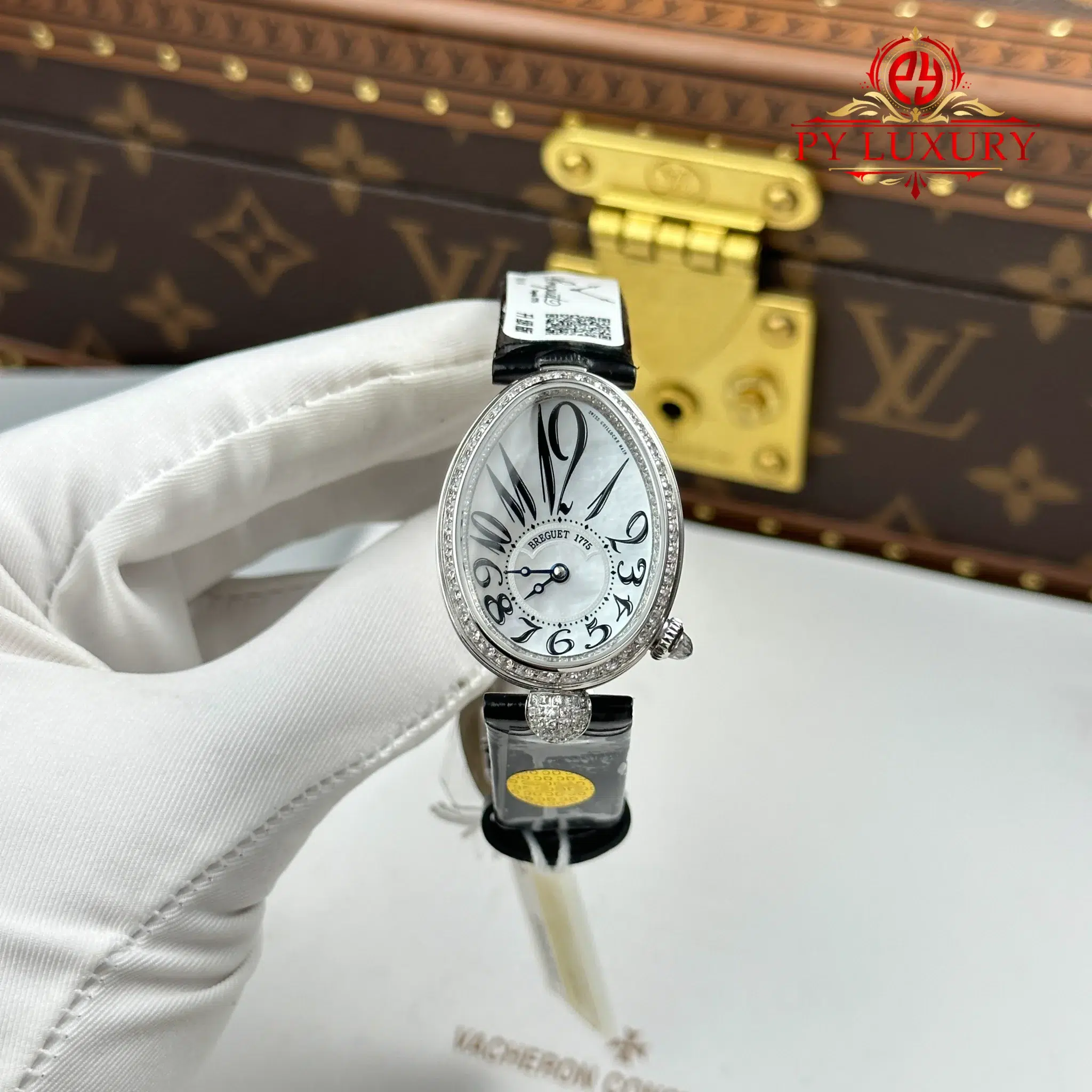
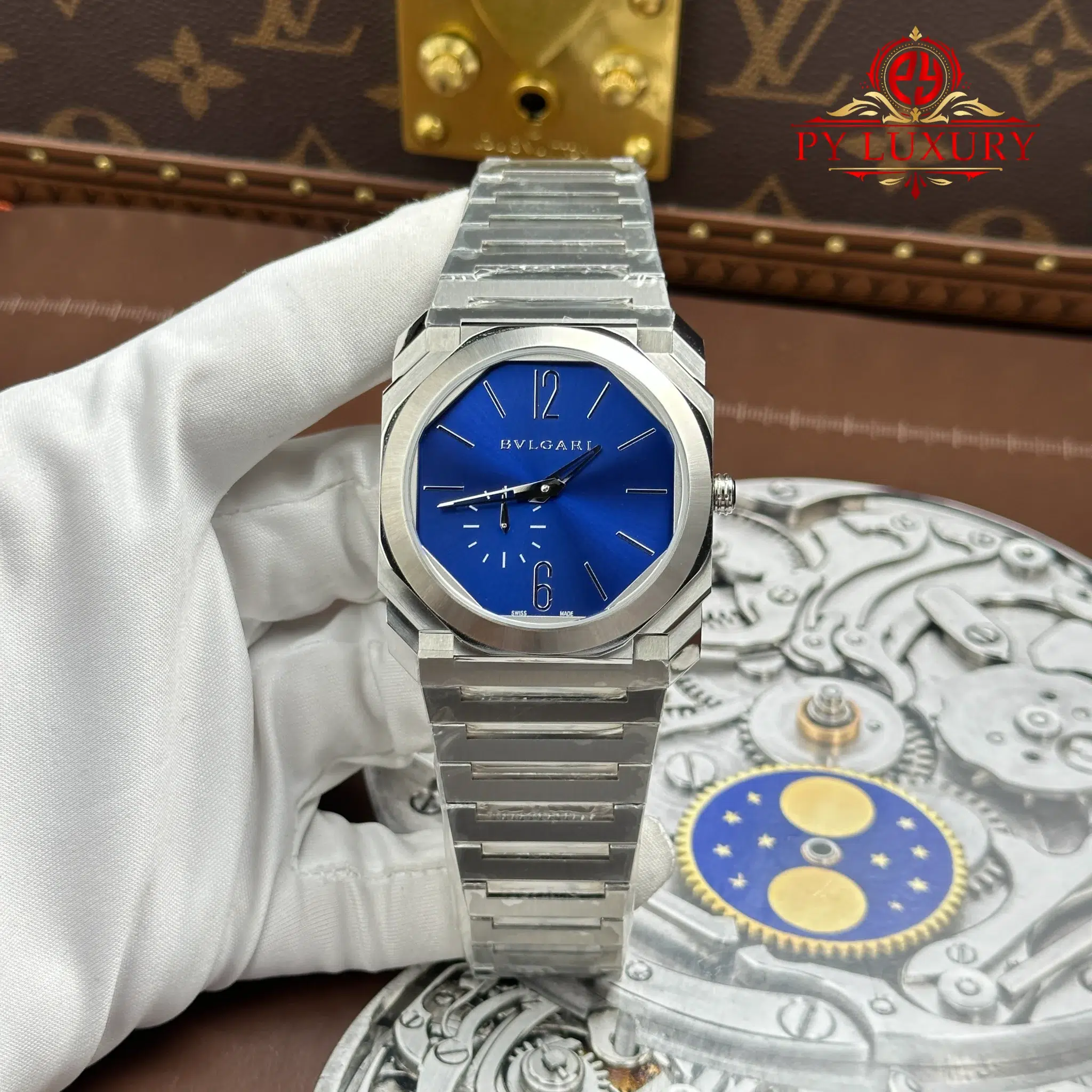
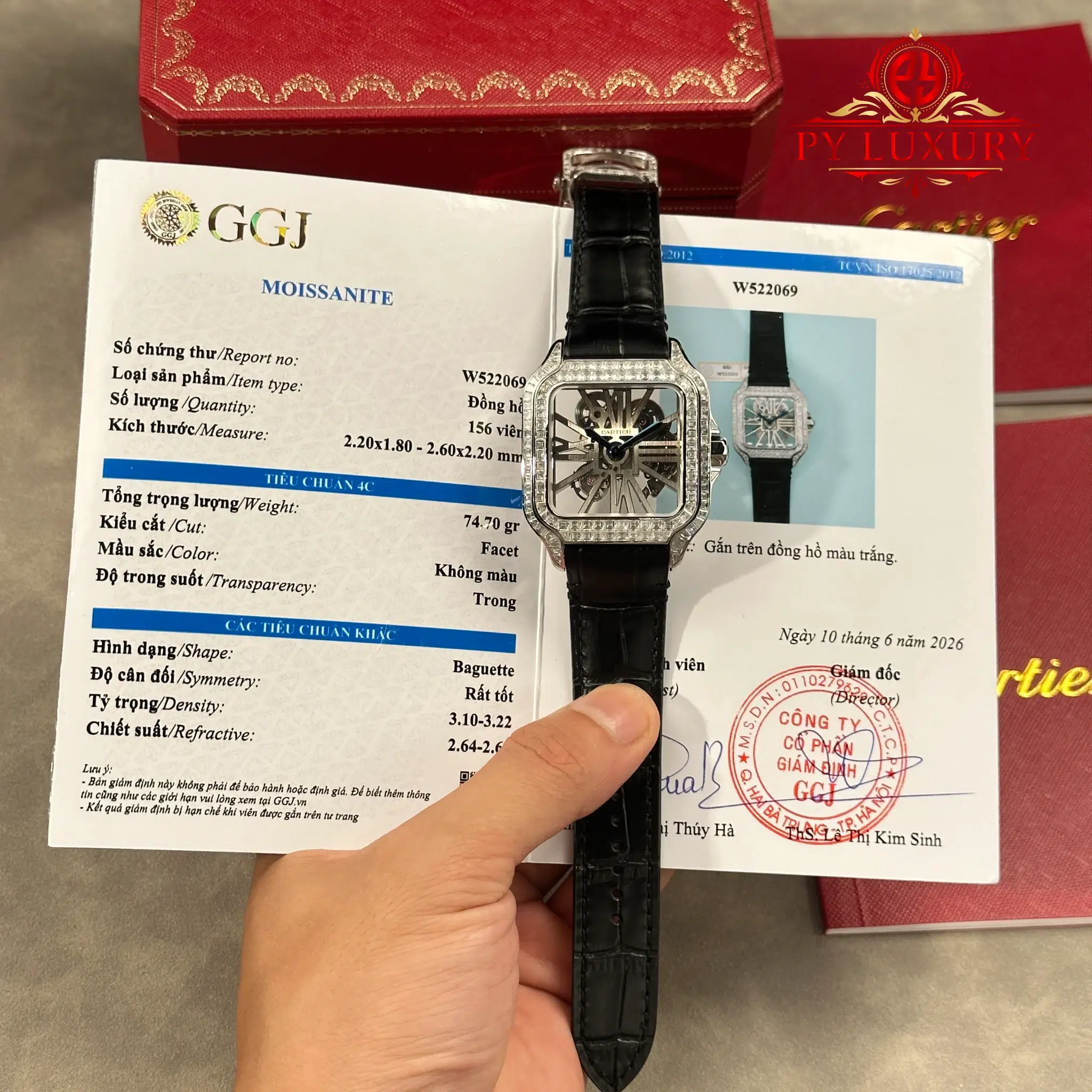
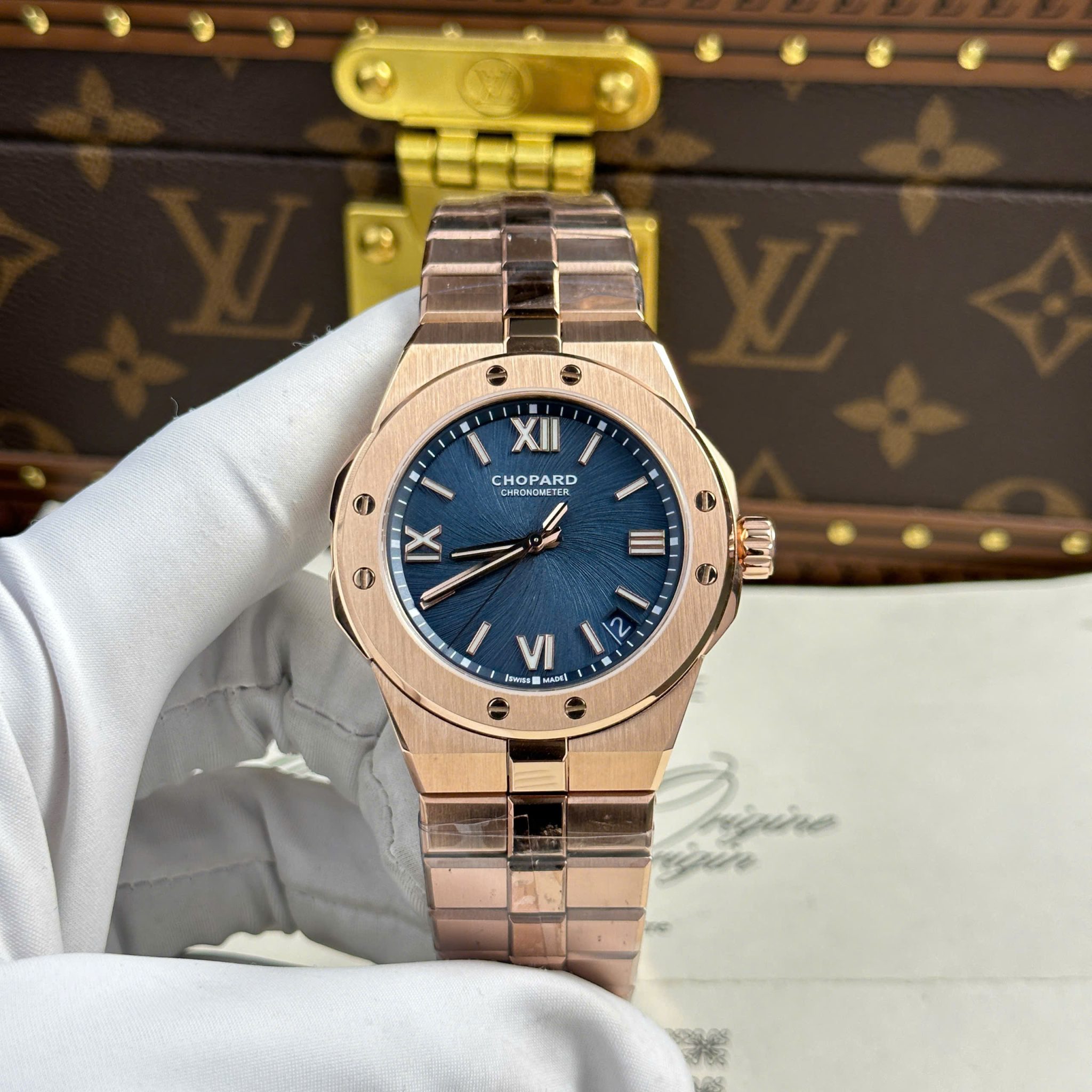
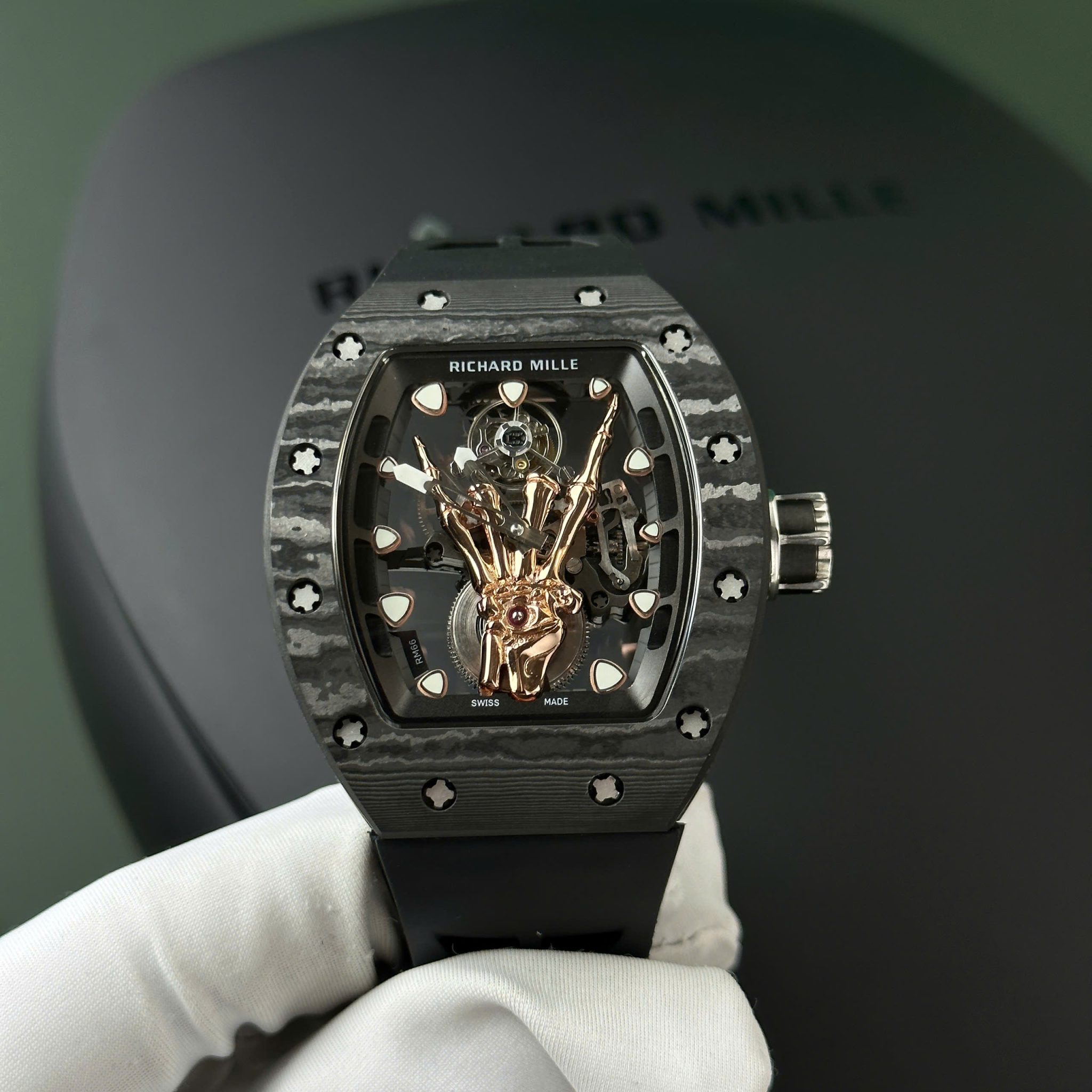
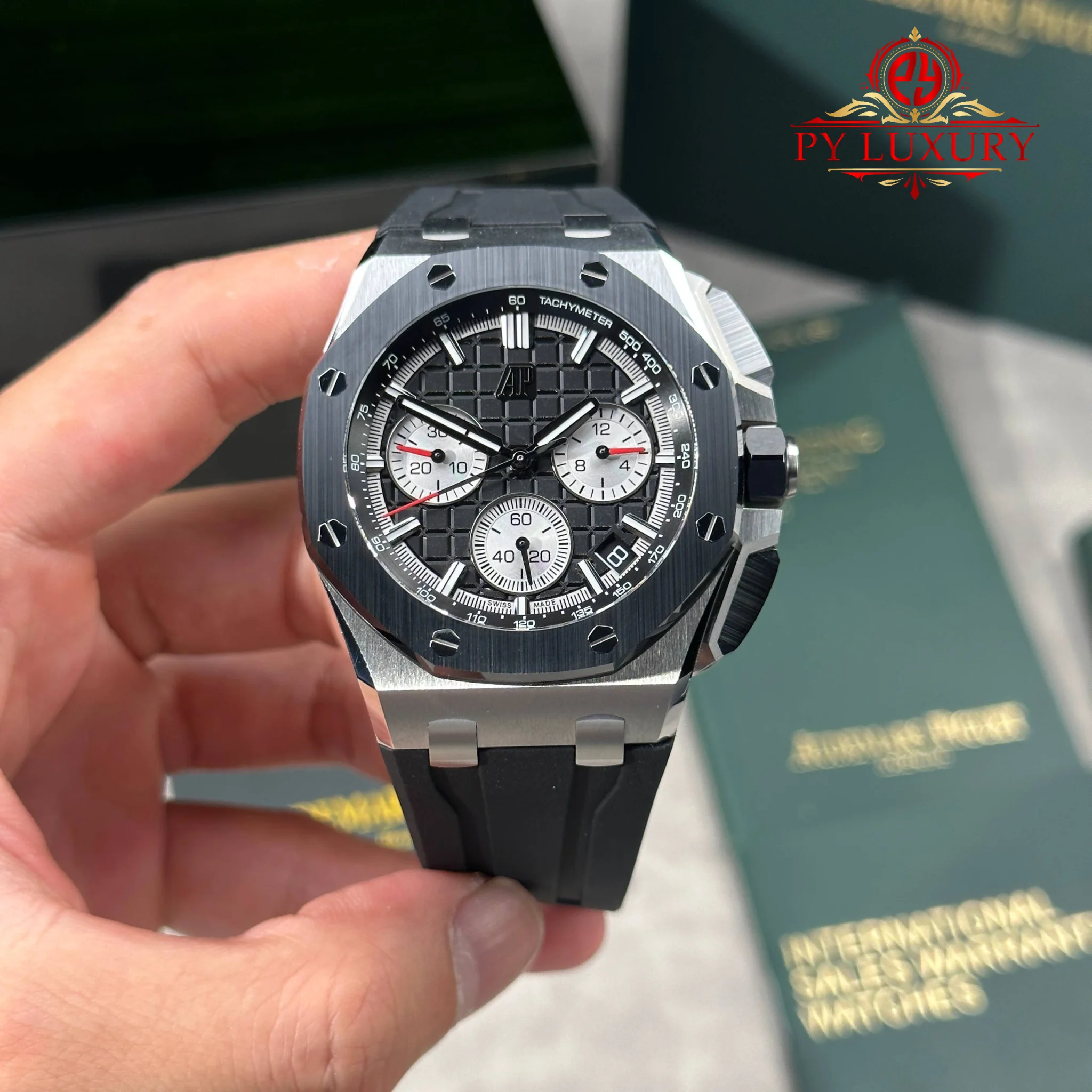
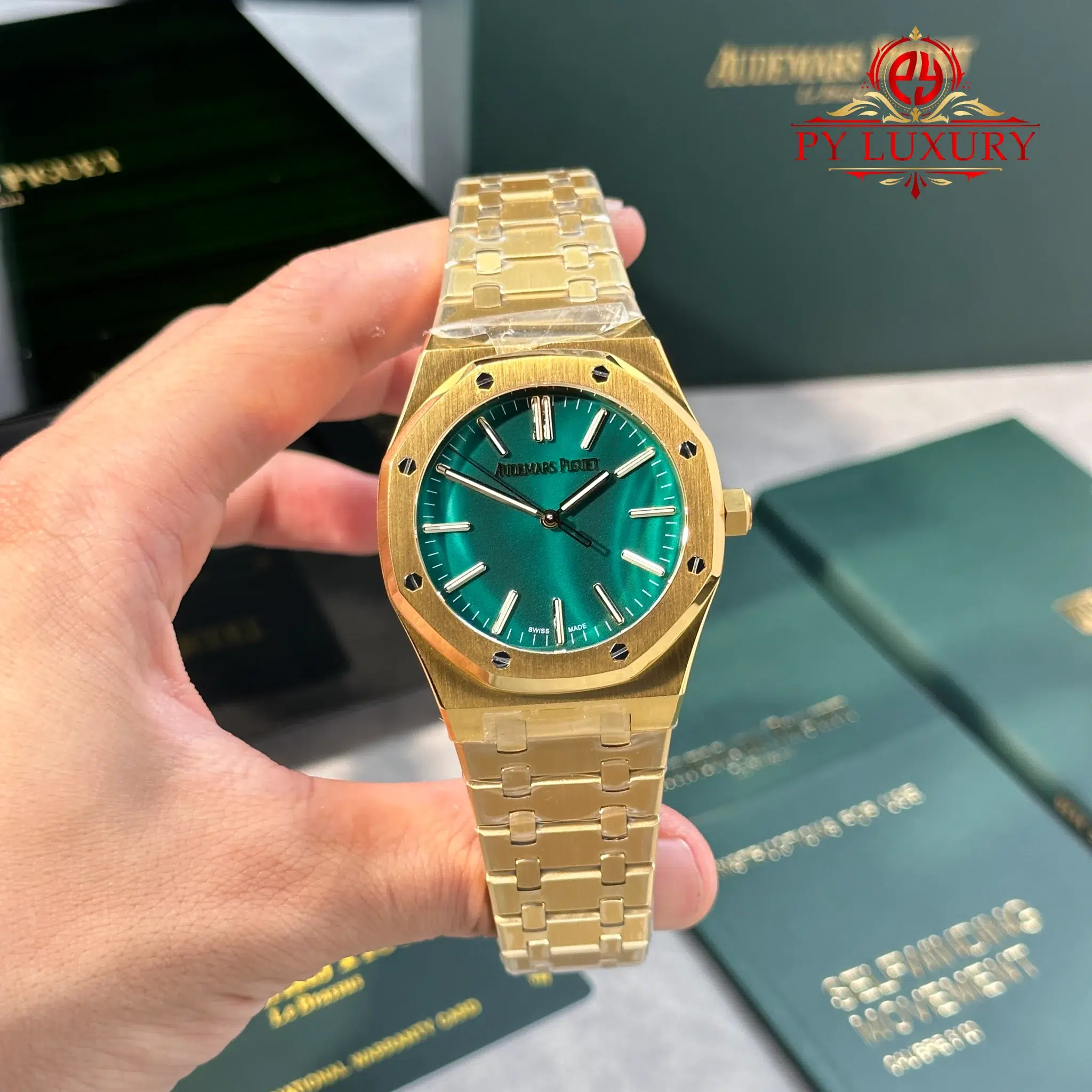
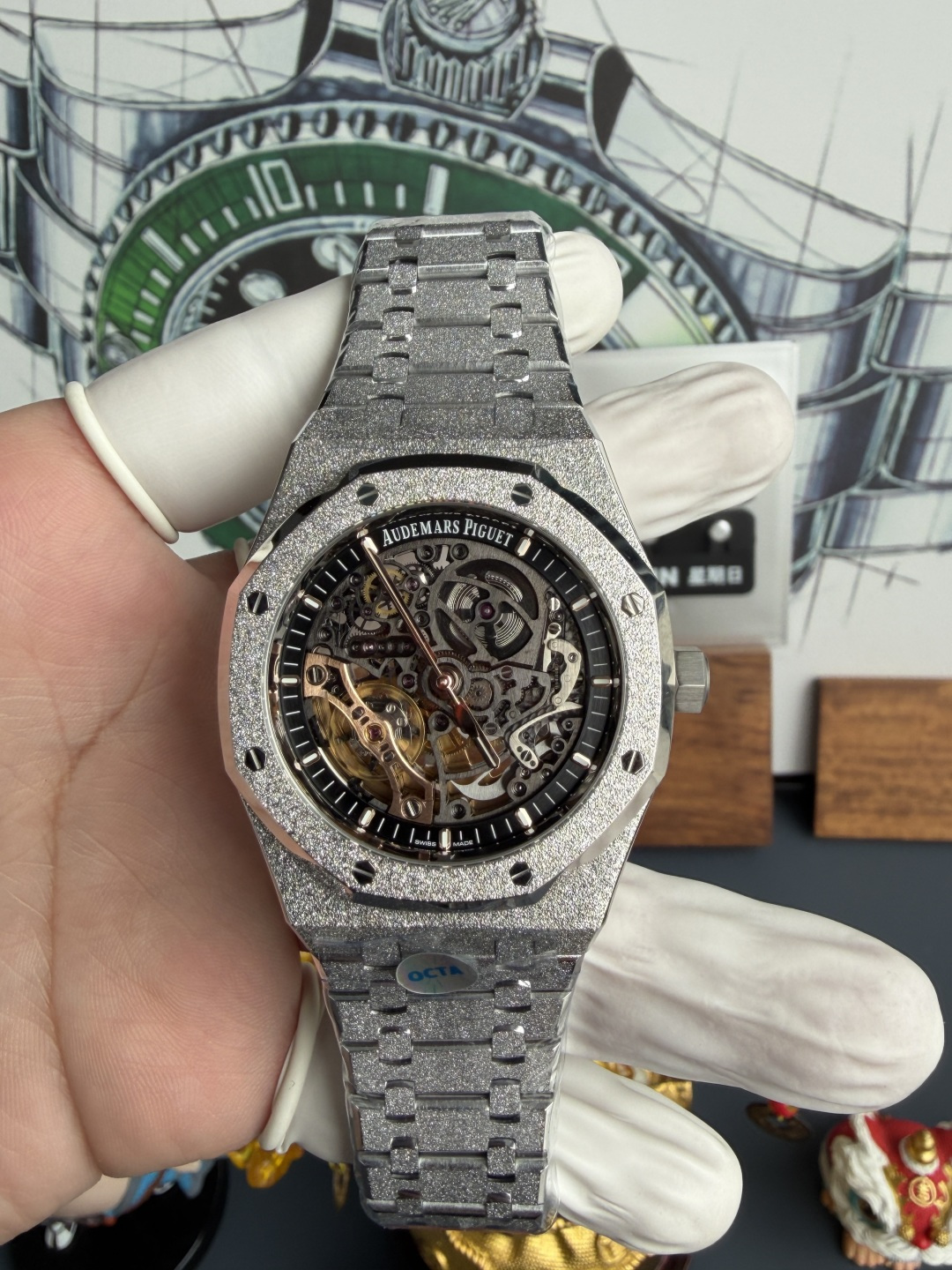
Welcome to USAKING Watches, your trusted source for insights into the world of horology. Today, we delve into the nuanced differences between high-quality collectible watches and their genuine counterparts. While many assume that collectibles are mere imitations, the finest collectibles—often referred to as ''—exhibit remarkable craftsmanship. However, significant distinctions remain in three critical areas: the movement, the polishing technique, and the materials used.

The Heart of the Watch: Movement Differences

The movement is the soul of any timepiece. Genuine watches, particularly those from prestigious Swiss brands like Rolex, utilize in-house mechanical movements that are meticulously assembled and calibrated. These movements are renowned for their precision, durability, and smooth sweeping second hands. In contrast, high-quality collectibles often employ Japanese or Chinese automatic movements, which, while reliable, lack the intricate finishing and exacting standards of their Swiss counterparts. Some top-tier collectibles do feature Swiss movements, but these are exceptions rather than the norm. The difference in movement quality is palpable to a trained eye or after a closer inspection of the mechanism's decoration and performance.

Craftsmanship in Polishing: A Telltale Sign

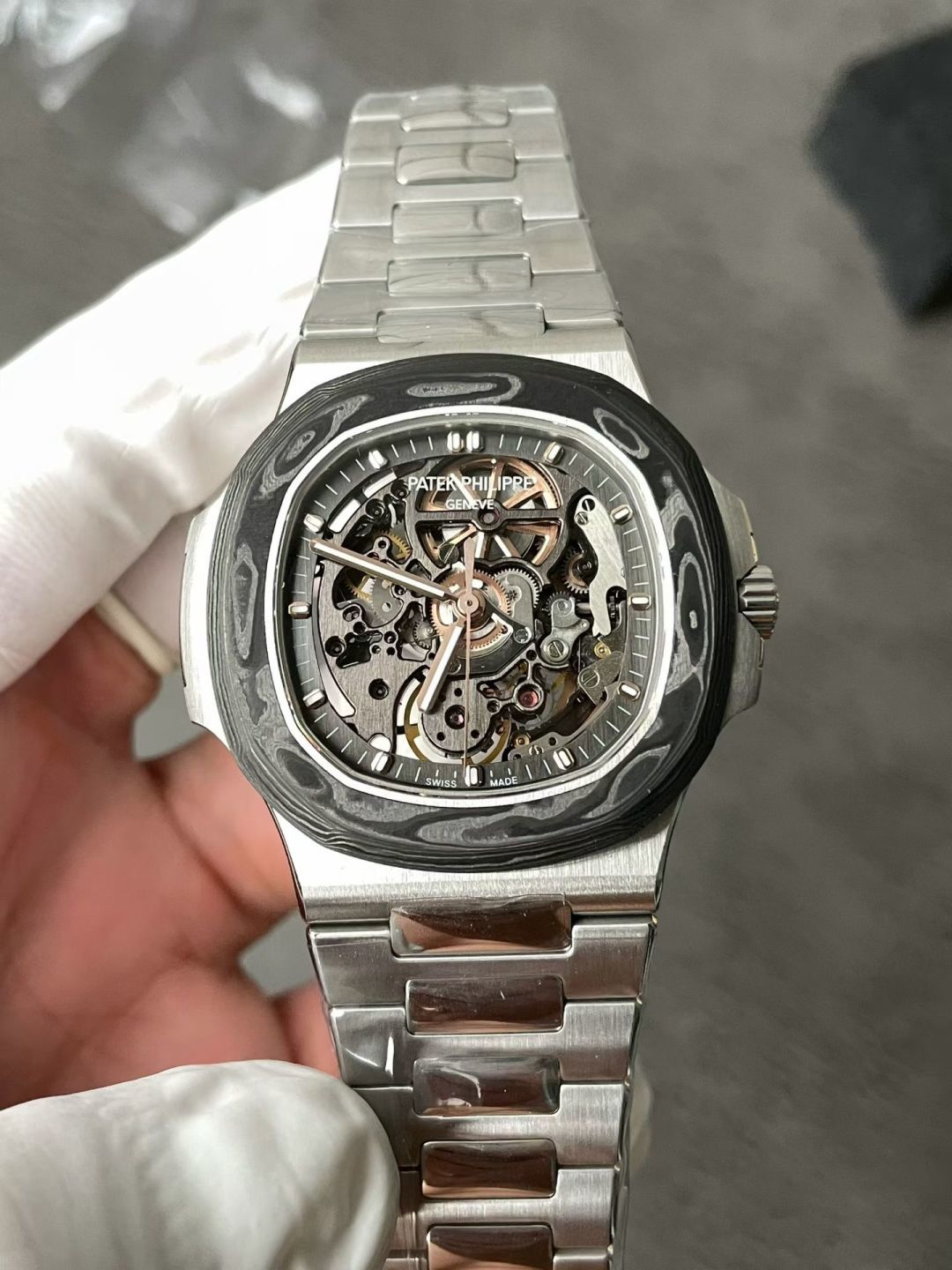
Polishing is an art form in watchmaking, and it is here that collectibles often reveal their true nature. Authentic watches undergo multiple stages of hand-finishing, including circular graining, Geneva stripes, and mirror-polished bevels. The result is a flawless, lustrous surface that catches light in a distinctive way. collectible strive to mimic this, but the polishing is often less refined, with subtle imperfections visible under magnification. The case edges on genuine watches are sharp and crisp, while collectibles may have slightly softer angles. For the uninitiated, these differences may go unnoticed, but for enthusiasts, they are clear indicators of authenticity.

Material Matters: Case and Bracelet Composition

Genuine luxury watches are crafted from premium materials like 904L stainless steel (as used by Rolex), which offers superior corrosion resistance and a brighter finish. collectibles, even high-quality ones, typically use 316L stainless steel, which is more common and less expensive. While 316L is still a good steel, it lacks the same luster and density. Additionally, genuine watches may feature sapphire crystals with anti-reflective coatings, while collectibles might use mineral glass or lower-grade sapphire. The weight of the watch is another clue—authentic watches feel more substantial due to the high-quality metals used.

The Intangible: Cultural and Investment Value

Beyond the physical attributes, there is an intangible value attached to genuine watches. A real Rolex carries a heritage, a legacy of craftsmanship, and a status symbol that transcends mere timekeeping. It is a piece of art that can be passed down through generations. In contrast, a, no matter how good, lacks this cultural weight. Furthermore, genuine watches from renowned brands often retain or even appreciate in value over time, whereas collectibles are worthless on the secondary market. Watches, in general, are not ideal investment vehicles—even a genuine Rolex can depreciate if not properly maintained—but the resale potential of an authentic piece is incomparably higher.

Maintenance and Water Resistance

Maintenance is another area where genuine and collectible watches diverge. Authentic watches require regular servicing every two to five years, including cleaning and oiling of the movement. Quartz watches, whether genuine or, have longer service intervals due to fewer moving parts. Water resistance ratings, often stamped as 30 or 50 meters, are frequently misunderstood. In the watch industry, these figures do not mean you can swim with the watch; they indicate that the watch can withstand minor splashes. This applies equally to collectibles, but the seals on genuine watches are of higher quality, offering better protection.

Conclusion

In summary, the differences between high-quality collectible watches and genuine timepieces are profound, yet they may not be apparent to the casual observer. The movement, polishing, materials, and cultural significance all contribute to the chasm between the two. At USAKING Watches, we emphasize the importance of understanding these differences, whether you are a collector or simply curious. While collectibles can offer a taste of luxury at a fraction of the cost, they can never fully replicate the essence of a genuine masterpiece.

More Questions About High Replica Watches vs Genuine

  • What are the core differences between high replica watches and genuine watches?
  • How can you tell if a Rolex movement is real or fake?
  • What is the difference between high replica watch polishing and genuine?
  • Can ordinary people spot a high-quality replica watch?
  • Is a high copy Rolex worth buying?
  • Why do replica watches use different materials than genuine watches?
  • What are the best replica watches that pass movement inspection?
  • How do you check watch case polishing quality?
  • Does a Rolex hold its value over time?
  • Why are watches not a good investment after purchase?
  • What are the signs of a high-quality replica watch?
  • How does a replica watch movement compare to an original Swiss movement?
  • How do experts spot a fake Rolex dial and case?
  • Why do big brand name watches still lose value?
  • What is the best way to preserve a luxury watch investment?
  • Do replica watches use real stainless steel?
  • How can you tell genuine watch finishing from a replica?
  • Does buying a fake Rolex still count as a status symbol?
  • Why does polishing process matter in watch authentication?
  • How much does a real Rolex depreciate over time?
image image

RECOMMENDED

You may also like

Private Concierge

Questions about watches, orders, or after-sales? WhatsApp · Telegram · WeChat

WhatsApp WhatsApp QR +447599352109 +447599352109

Direct lines

Scan the QR or message us directly

WeChat WeChat QR liuyanhua19999s liuyanhua19999s 扫二维码加好友

USAKING Watches Live

Drop in, shop, and chat with us in real time.

Buy Now

Get Guidance

Our Concierge team offers personal shopping for any item you’re eyeing.

Buy Now

Shop in Person

Visit us or select in-store pickup at checkout.

Buy Now