Encyclopedia
The Second Hand's Rise: From Luxury to Necessity in Watchmaking
Quick Questions
- Why did early watches only have an hour hand?
- What made the seconds hand practical for everyday use?
- How did the chronograph change the way we measure time?
- Which movement innovation made central seconds possible?
- Are seconds necessary for modern timekeeping?
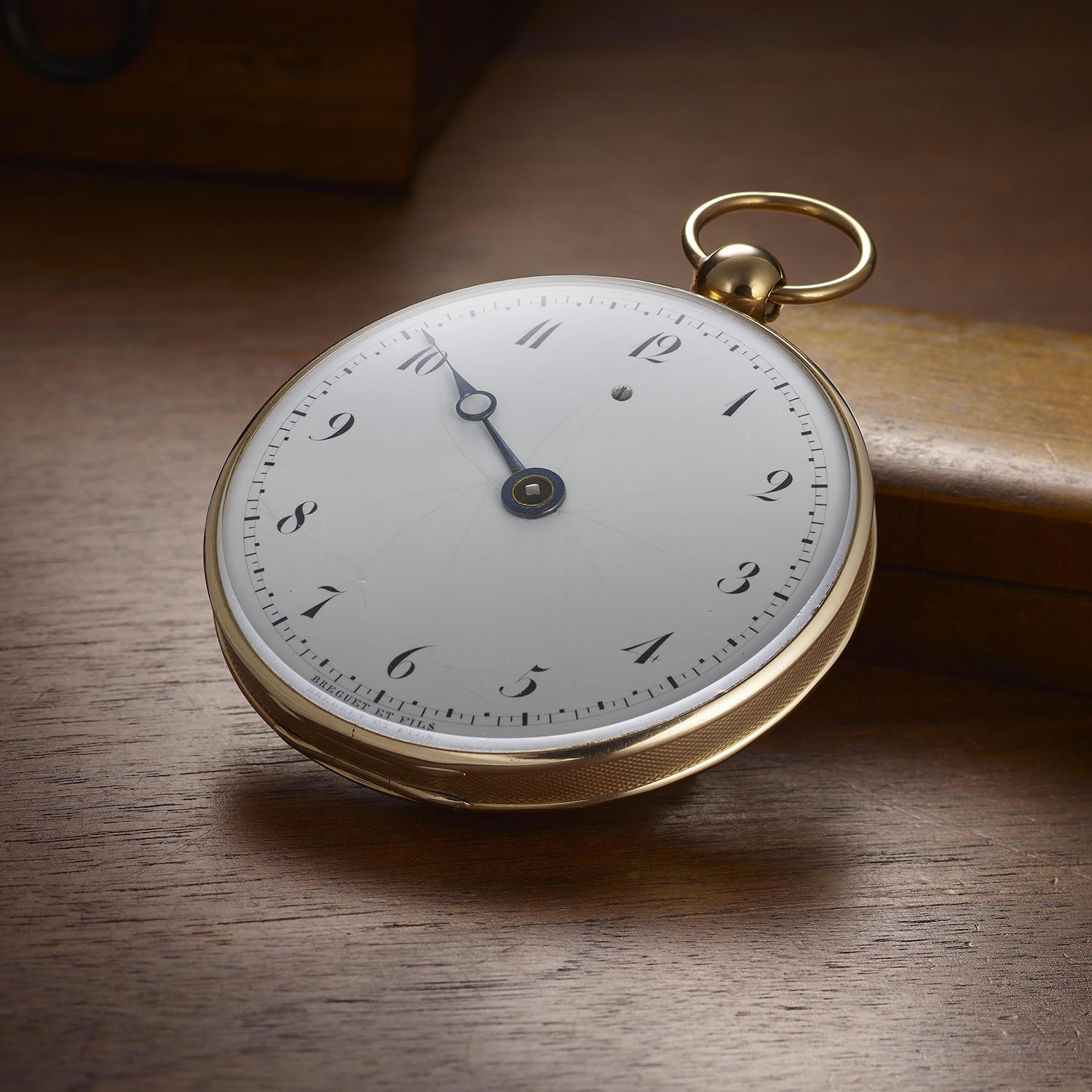
The journey of timekeeping is marked by incremental innovations that transformed how we read time. In the beginning, pocket watches were rudimentary, often featuring only an hour hand due to the limited precision of their movements. Even minutes were considered superfluous until the mid-1600s, when Dutch scientist Christiaan Huygens introduced two pivotal inventions: the pendulum in 1656 and the balance spring in 1675. The pendulum dramatically improved clock accuracy, reducing daily errors from hours to minutes, while the balance spring did the same for pocket watches, despite a contentious claim by Robert Hooke. These breakthroughs soon made minute hands standard on clocks across Europe, with watches following within a few years.
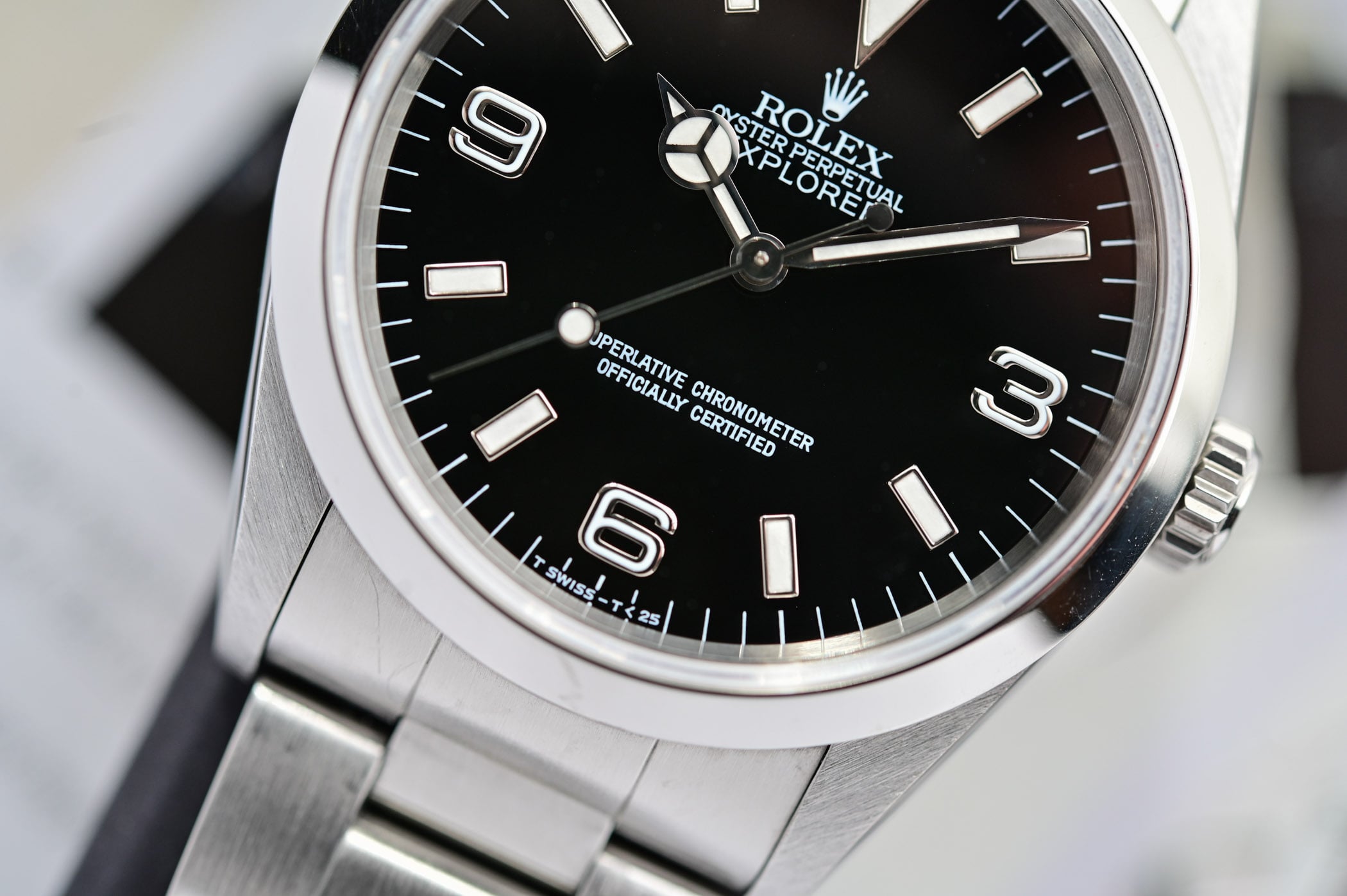
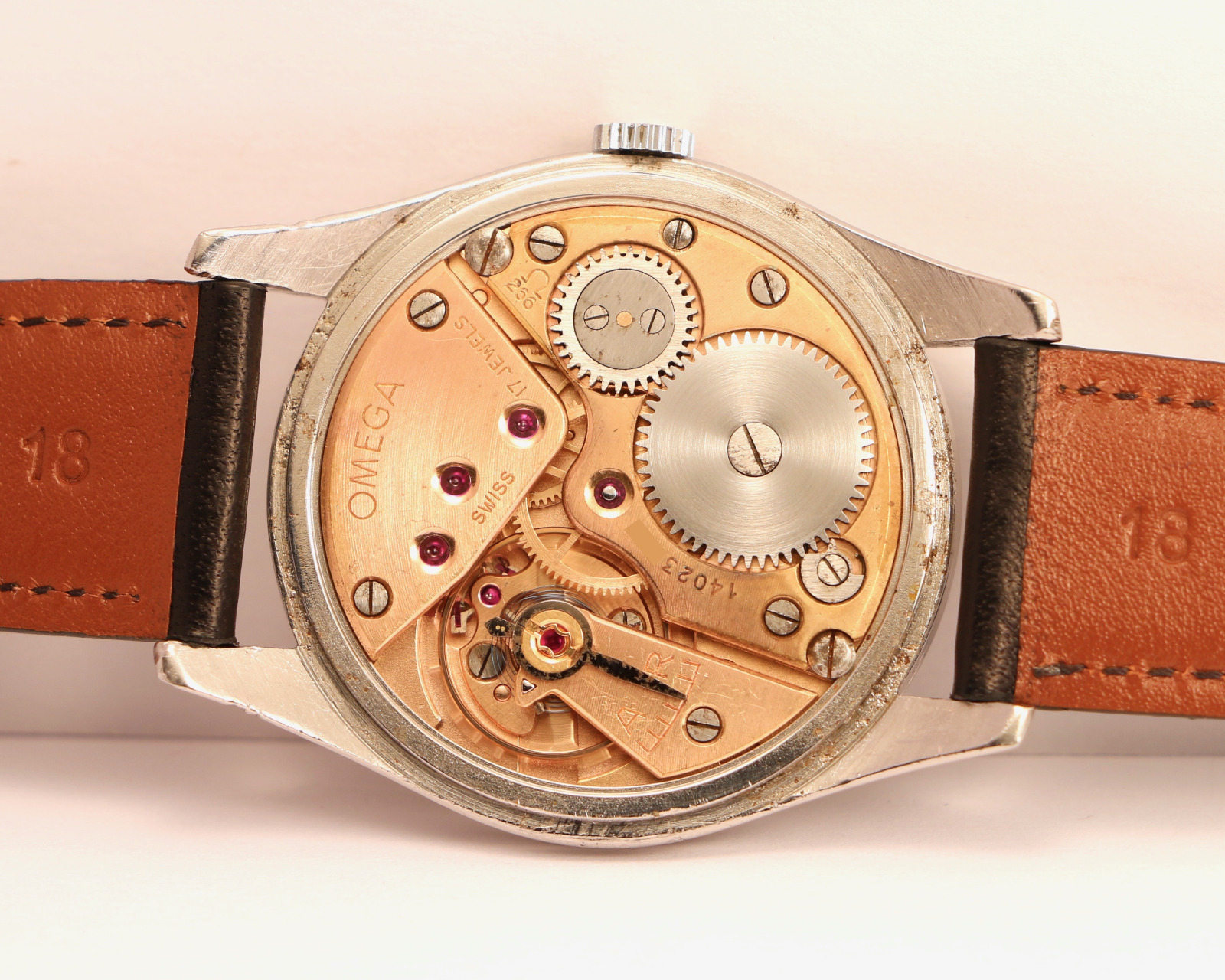
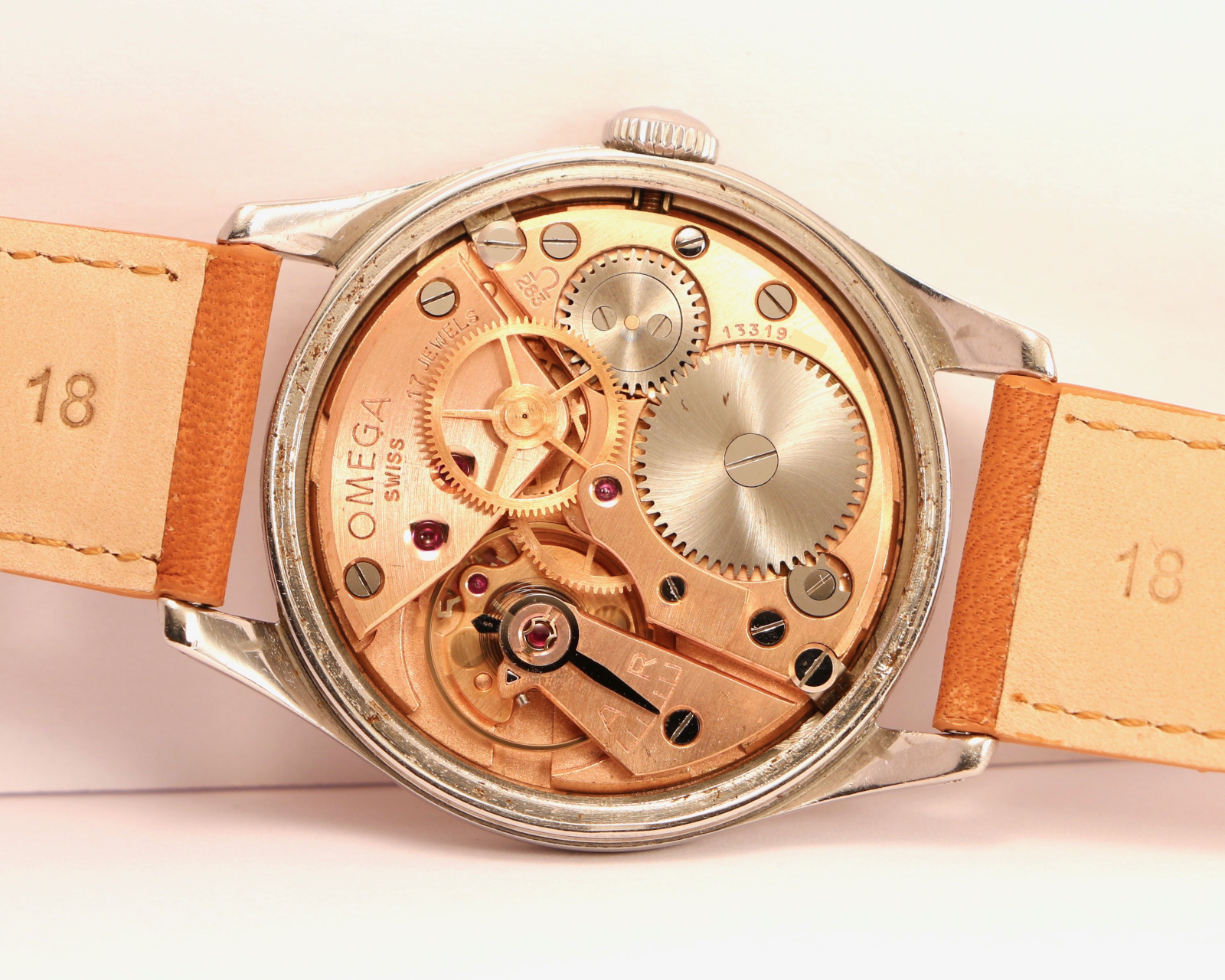
The seconds hand emerged as an experimental feature in the late 16th century, but it wasn't until the 1690s that movements incorporated a fourth wheel dedicated to seconds, thanks to the balance spring's improved precision. Most early seconds hands were placed in a sub-dial at 6 o'clock, a design necessitated by the vertical movement layout. Central seconds, which place the second hand at the center of the dial, only became widespread in the mid-20th century. Omega's calibre 30T2 SC, introduced in 1939, was a pioneer in this regard, as it reengineered the main plate and bridges to allow the fourth wheel's pinion to extend directly to the dial's center. This innovation, which enabled all three hands to share a central axis, became the norm for modern wristwatches, though sub-dial seconds remain a nostalgic choice for many enthusiasts.
Why Seconds Became Essential
For casual time reading, seconds are hardly necessary, but they proved vital for scientific observation. Astronomers relied on seconds to measure celestial movements and divide the mean solar day into 86,400 equal parts. The term 'seconds' originates from the Latin phrase 'pars minuta secunda,' meaning 'second small part,' reflecting its astronomical roots. Additionally, the ability to time independent events led to the creation of stopwatches and chronographs, further cementing the second hand's utility.
The Chronograph Era
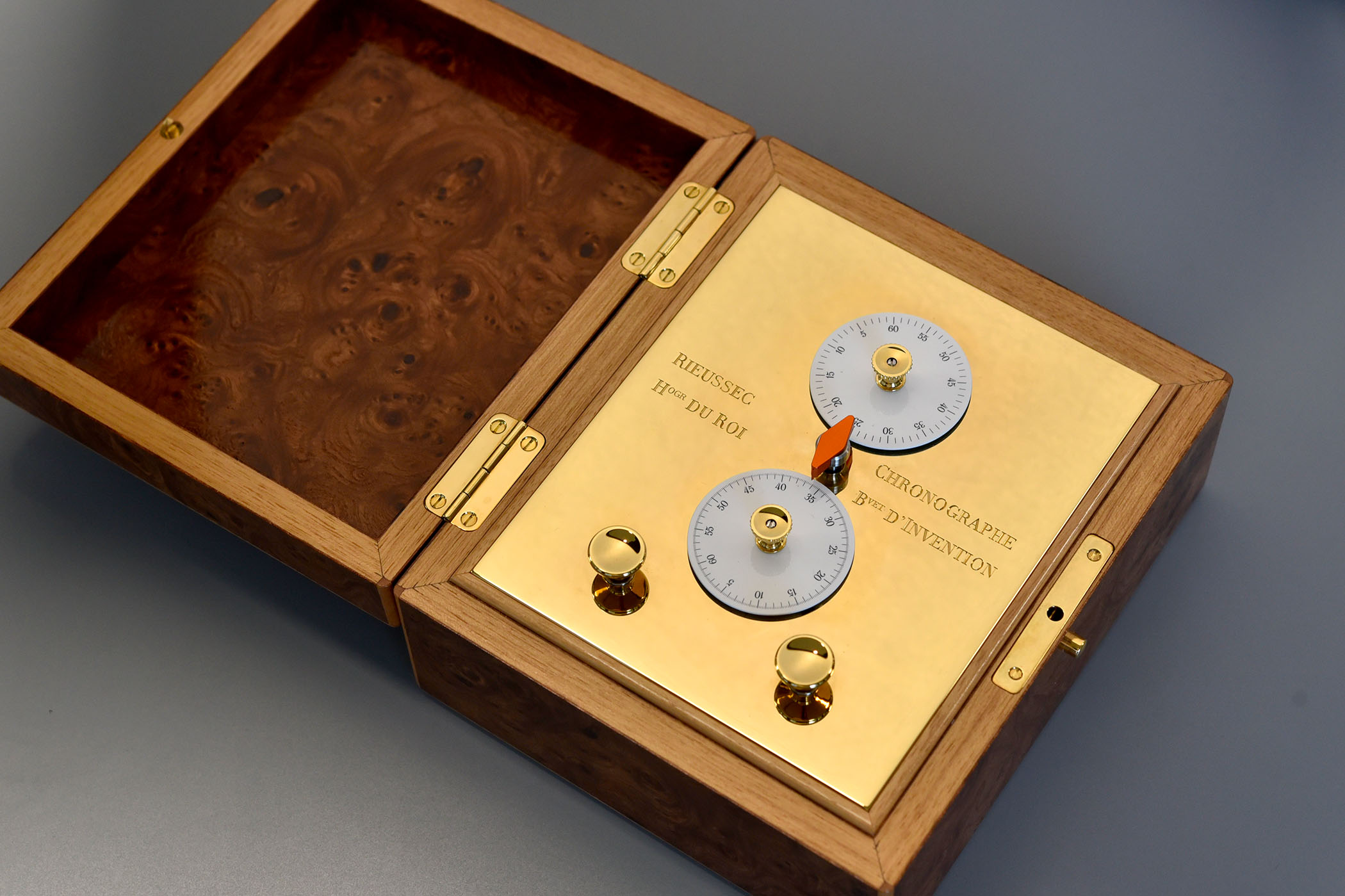
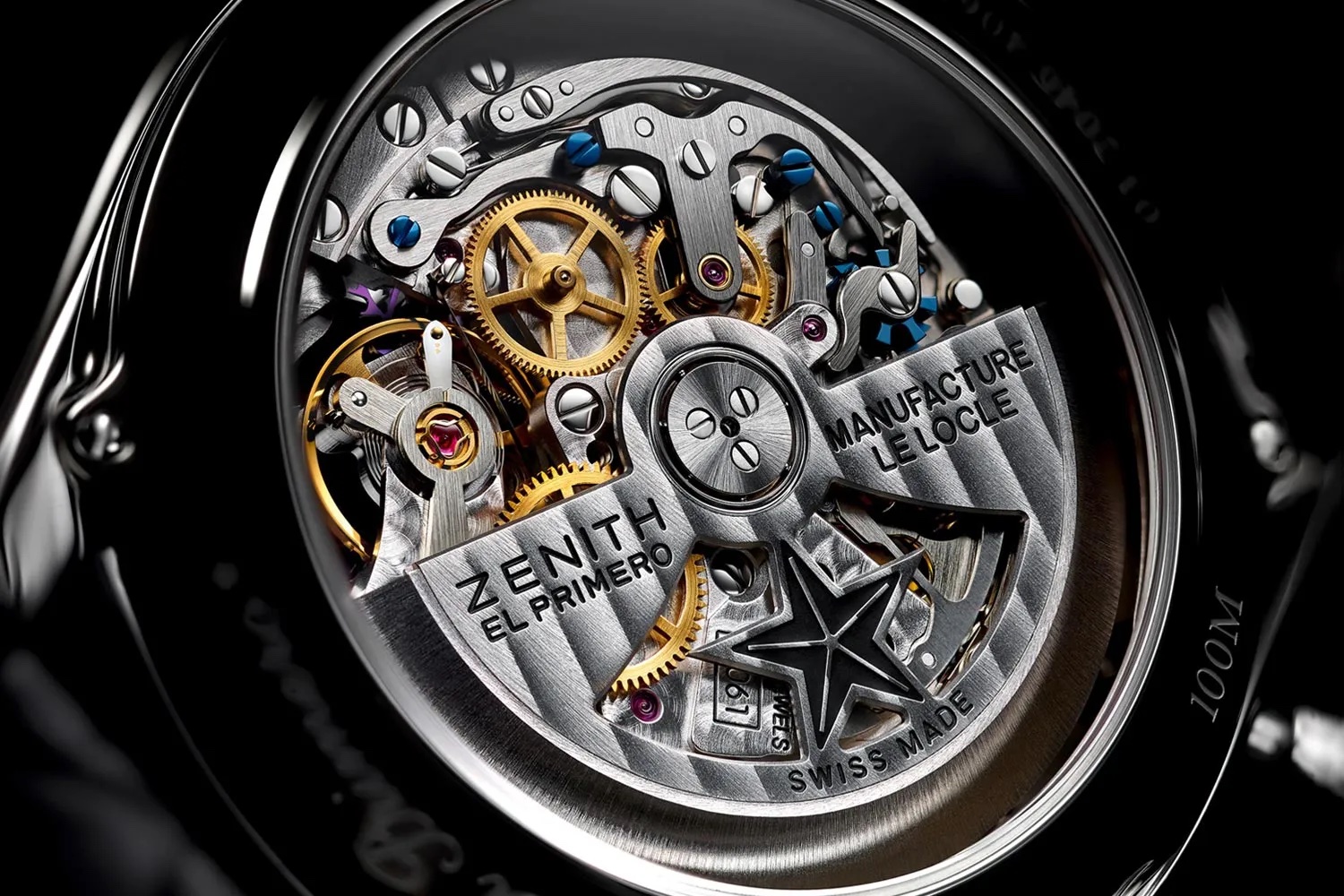
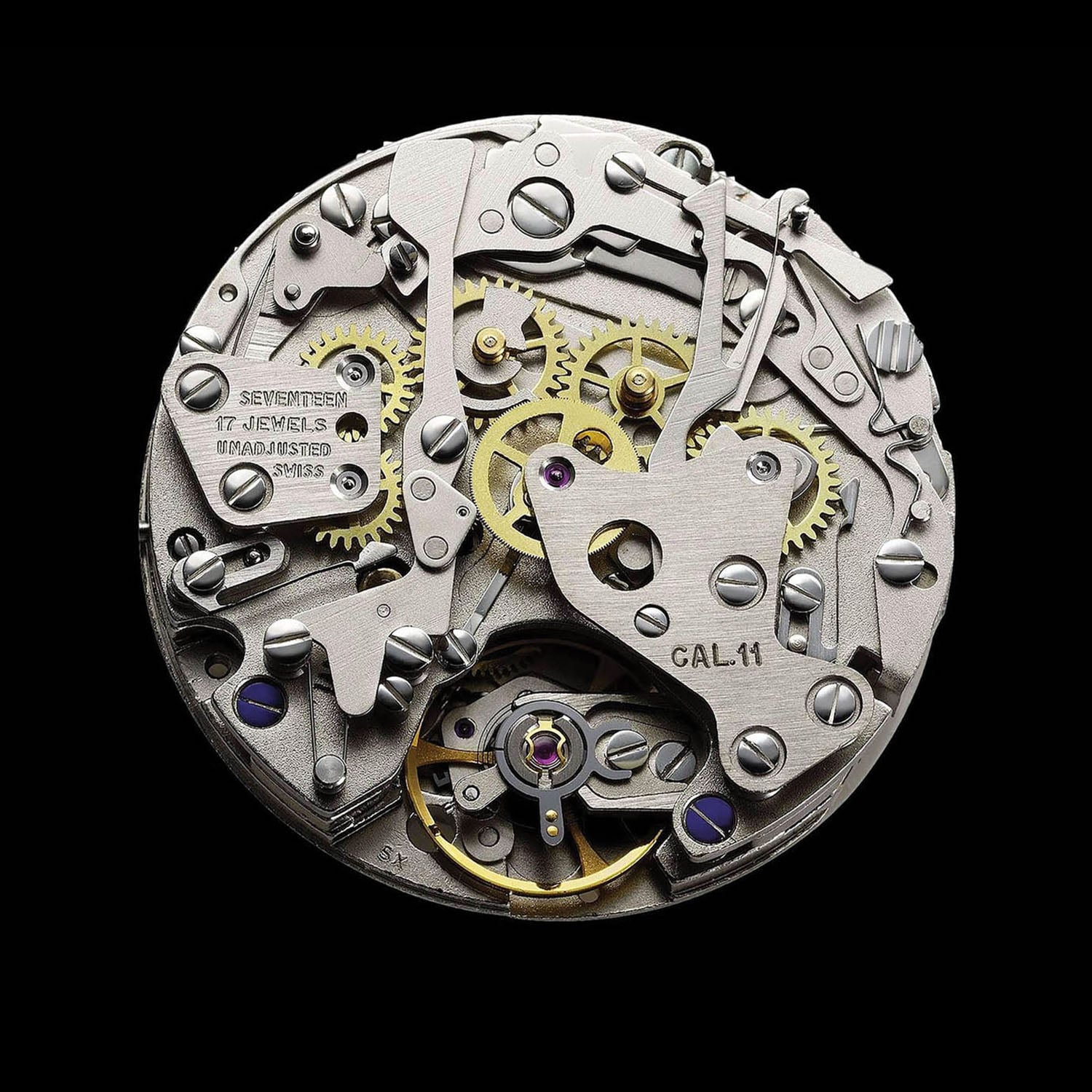
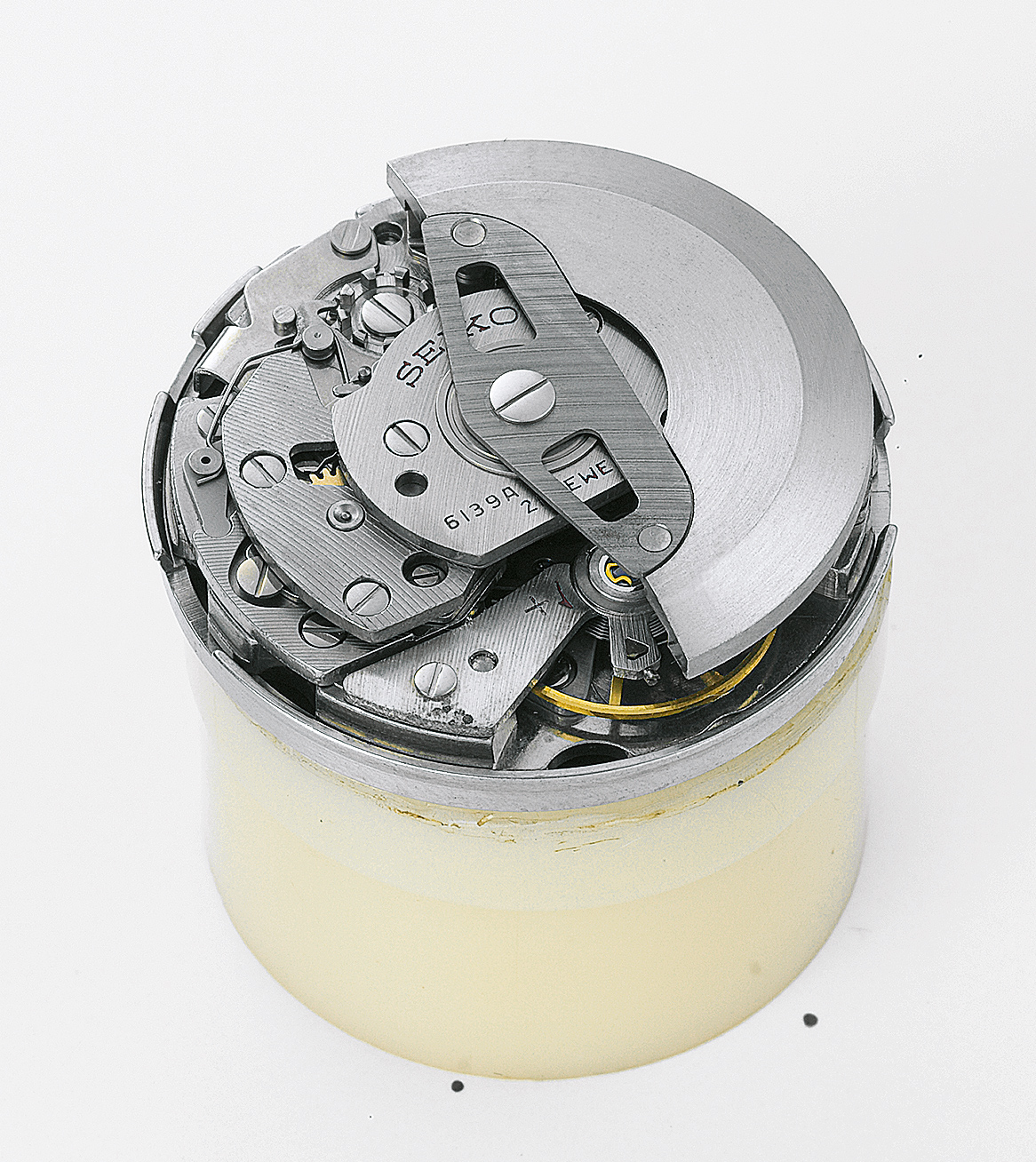
Chronographs, which merge standard timekeeping with stopwatch functionality, allowed for precise interval measurement. The first commercially successful chronograph was invented by French watchmaker Nicolas Mathieu Rieussec in 1821 for King Louis XVIII. It used a small ink droplet to mark elapsed time on a rotating dial, and Rieussec coined the term 'chronograph' from the Greek words 'chronos' (time) and 'grapho' (to write). Although the ink method was soon abandoned, the name persisted. In 1862, Swiss watchmaker Adolphe Nicole patented a mechanism that allowed the chronograph hand to reset instantly to zero. Later, Gaston Breitling developed a wristwatch chronograph with a separate pusher, and his son Willy added a second pusher in 1934, establishing the modern configuration we recognize today. The year 1969 saw a historic race as three automatic chronograph movements debuted nearly simultaneously: Zenith's El Primero, Seiko's Calibre 6139, and the Swiss consortium's Caliber 11, developed by Hamilton-Buren, Breitling, Heuer, and Dubois Dépraz. These innovations brought automatic chronographs to the masses, with Zenith's high-beat movement and Seiko's column wheel design standing out as technical achievements.
Scales That Enhance Functionality
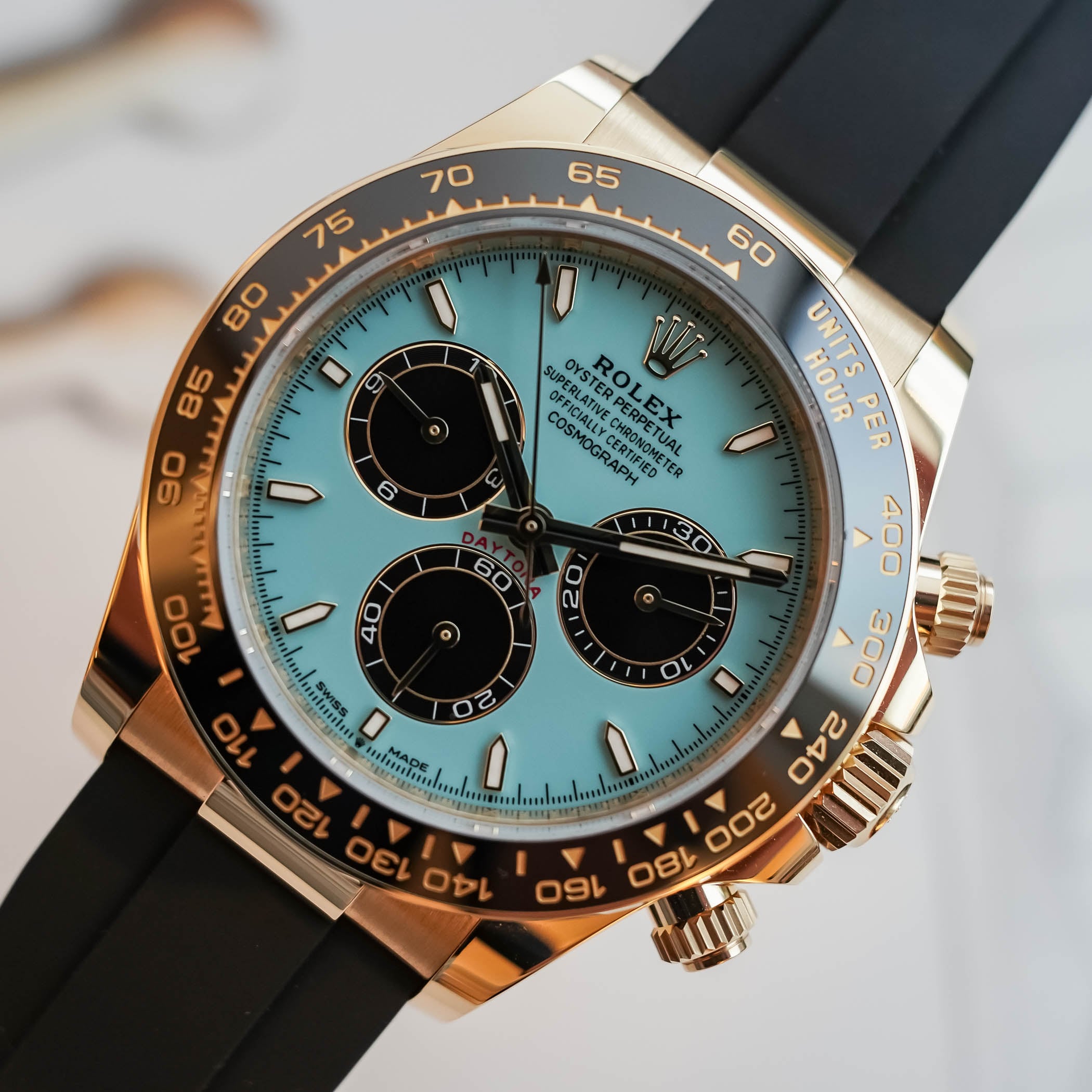
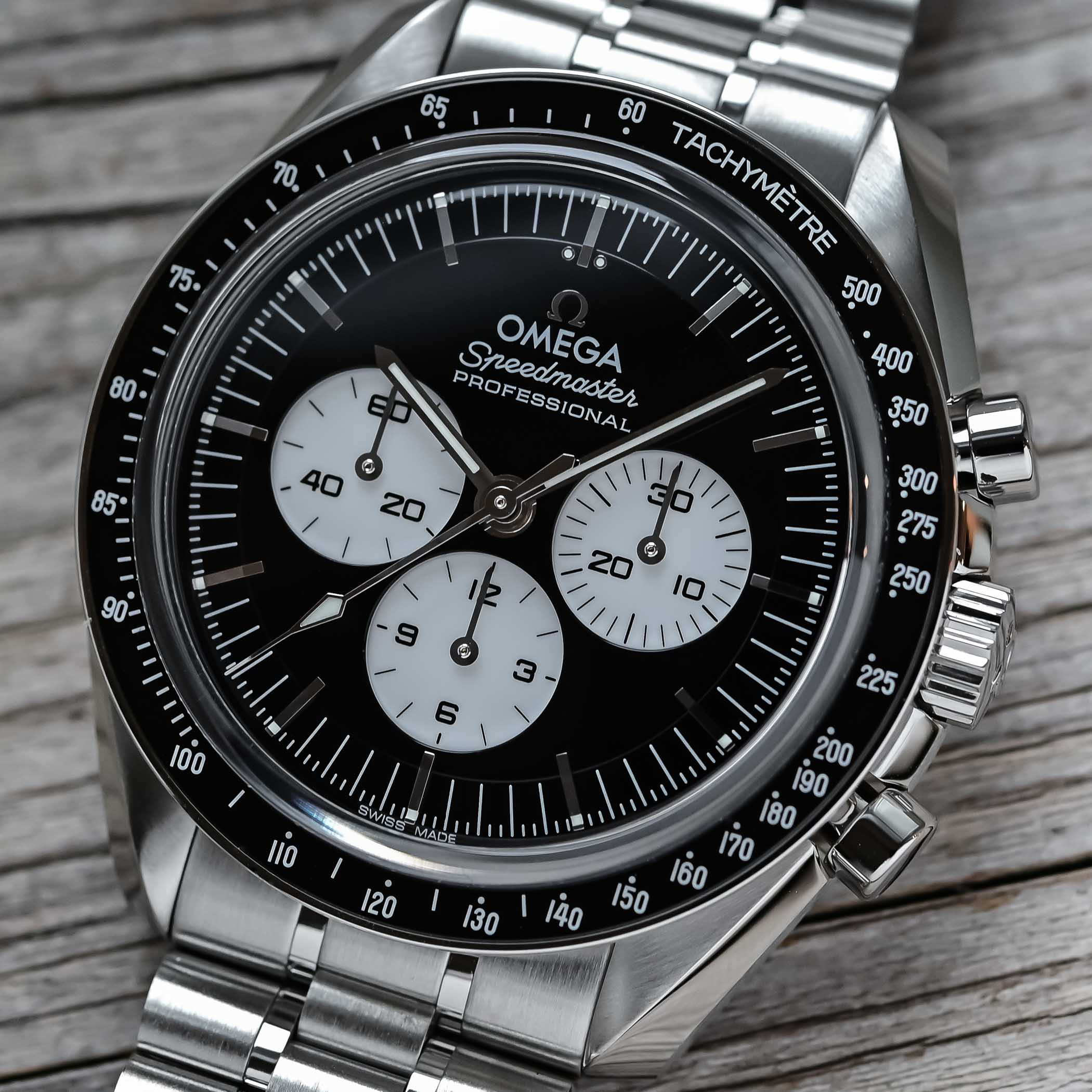
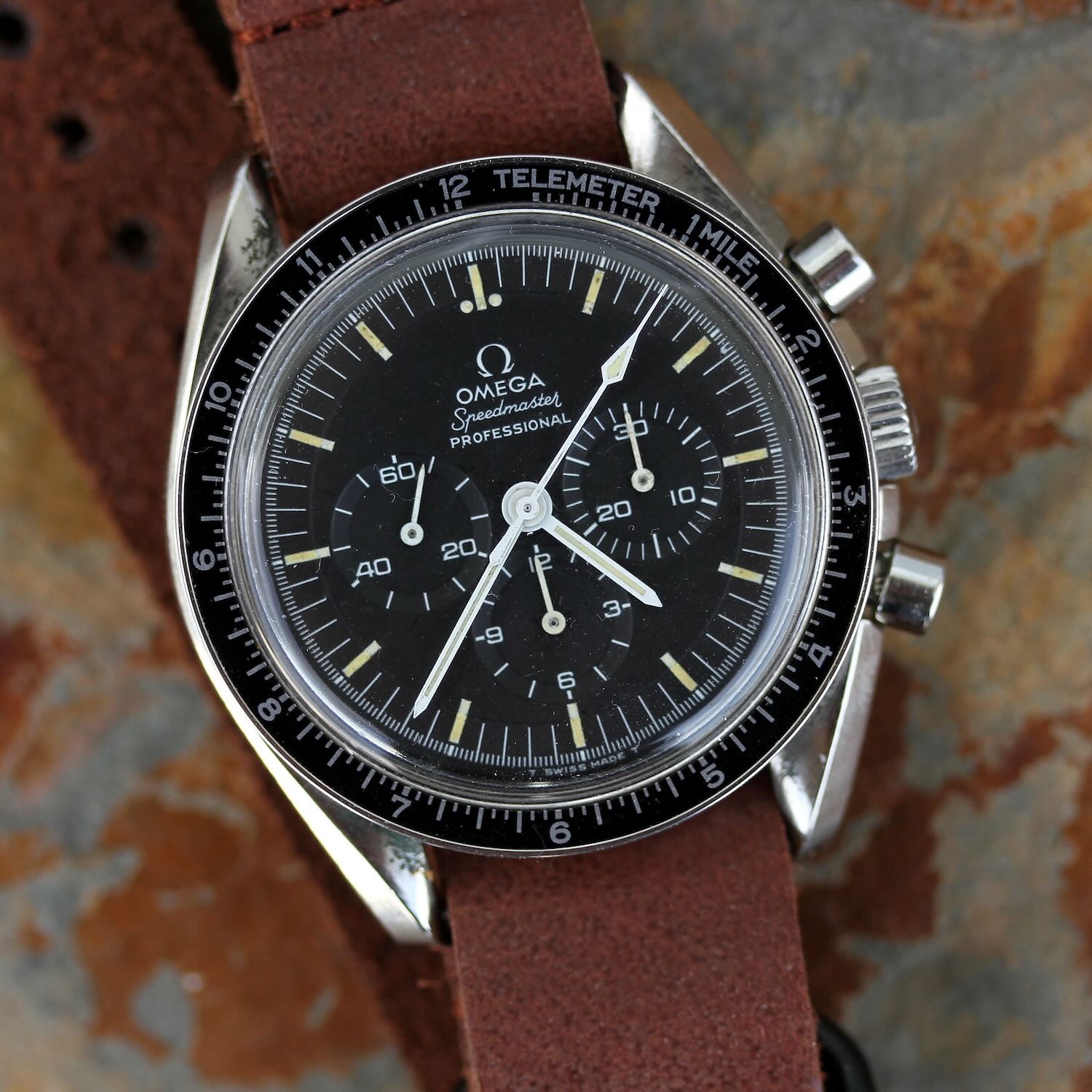
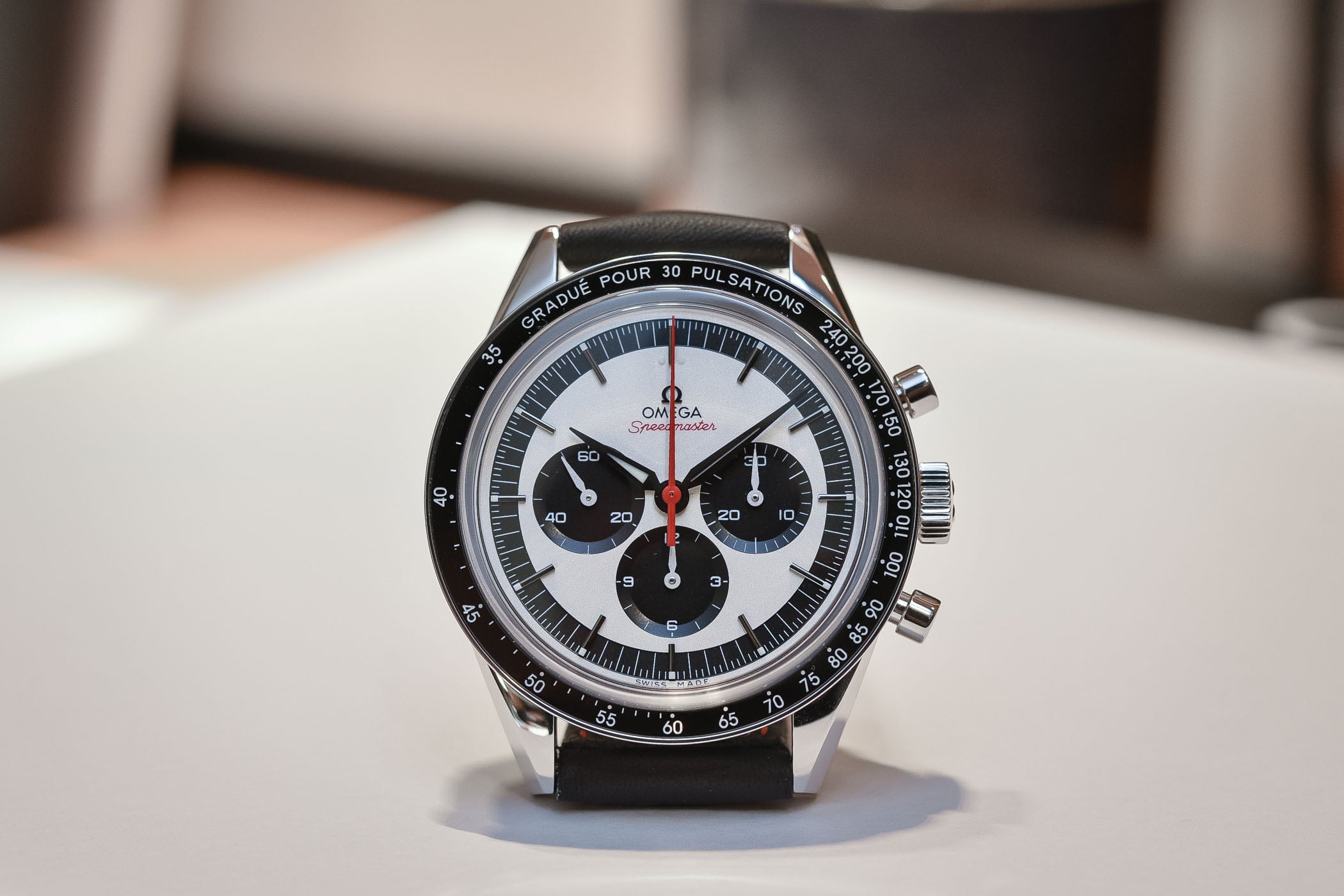
Chronographs often incorporate tachymeter and telemeter scales to calculate speed and distance. The tachymeter, popularized in the early 20th century, measures speed by timing an event over a known distance—for instance, timing 50 seconds between two mile markers indicates a speed of 72 mph. The telemeter, on the other hand, estimates distance based on the speed of sound, which was particularly useful for gauging the proximity of storms or artillery fire. These scales gained prominence with the rise of wristwatch chronographs, with Longines introducing the first in 1913 and Breitling refining the design in 1915.
Choosing and Authenticating a Chronograph
When selecting a chronograph, it's essential to consider the movement type: manual, automatic, or quartz. Automatic chronographs offer convenience but often add thickness. Look for a column wheel mechanism for smoother operation and ensure the pushers feel responsive. A tachymeter bezel is practical for speed calculations, while a telemeter is a specialized feature. Additionally, verify that the watch includes a seconds hand for everyday timekeeping, as some chronographs omit it. For authenticity, inspect the sub-dial spacing, which is often inaccurate in collectibles, and ensure the pushers are functional. Authentic chronographs typically feature a smooth sweeping seconds hand, whereas collectibles may exhibit a ticking motion. Check for proper brand markings, serial numbers, and purchase from reputable dealers like USAKING Watches to ensure quality.
More Questions About The Second Hand's Rise
- How did the balance spring change pocket watch accuracy?
- What was the first watch to feature a central seconds hand?
- Why are chronographs still relevant in the digital age?
- What is the difference between a tachymeter and a telemeter?
- Who invented the first chronograph?
- How does a column wheel mechanism improve chronograph performance?
- Are automatic chronographs more accurate than manual ones?
- What is the significance of the El Primero movement in horology?
- How can you spot a fake chronograph?
- What does 'pars minuta secunda' mean in modern watchmaking?
- Why do some watch purists prefer small seconds over central seconds?
- What advancements in the 20th century made seconds hands standard?
- How does a chronograph measure speed without a tachymeter scale?
- Is a seconds hand essential for a dress watch?
- What are the benefits of a quartz chronograph over a mechanical one?
- How do you maintain the pushers on a chronograph?
- What is the history of the telemeter scale in military watches?
- Can a chronograph be used as a stopwatch for daily tasks?
- Why did it take so long for central seconds to become common?
- What should you look for in a high-quality replica chronograph?