Buy now · Free shipping worldwide; save $100 on orders over $2,000.

Buy Now

Article

Unveiling the Component Origins of Superclone Timepieces: A Deep Dive into Watch Manufacturing

Quick Questions

  • Ever wondered what fuels the production of 1:1 replica watches?
  • How do these near-identical timepieces achieve such jaw-dropping price tags?
  • Are the parts inside a superclone truly sourced from original manufacturers?
  • What hidden channels supply the components for these high-fidelity homages?
  • Can the naked eye really distinguish a meticulously crafted replica from the genuine article?

The horological underground operates on a fascinating paradox: creating watches that visually and mechanically mirror masterpieces from Rolex, Patek Philippe, or Audemars Piguet, yet cost a fraction of the originals. These so-called “ collectibles” have captivated enthusiasts and skeptics alike, prompting the question: where do the components actually come from? This exploration peels back the layers of the supply chain, revealing the intricate network that makes such affordability possible without sacrificing outward fidelity.

Defining the 1:1 Replica Phenomenon

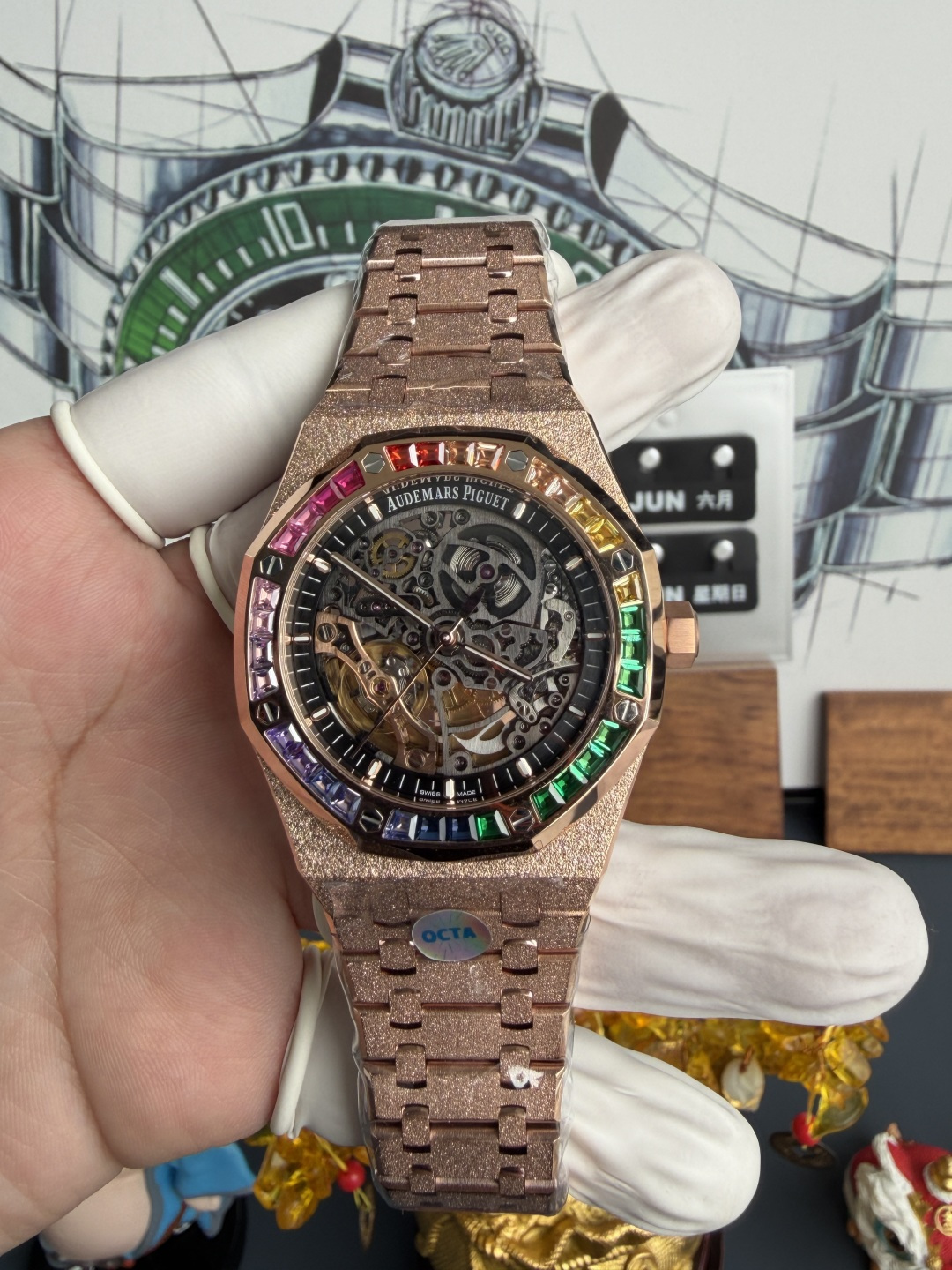
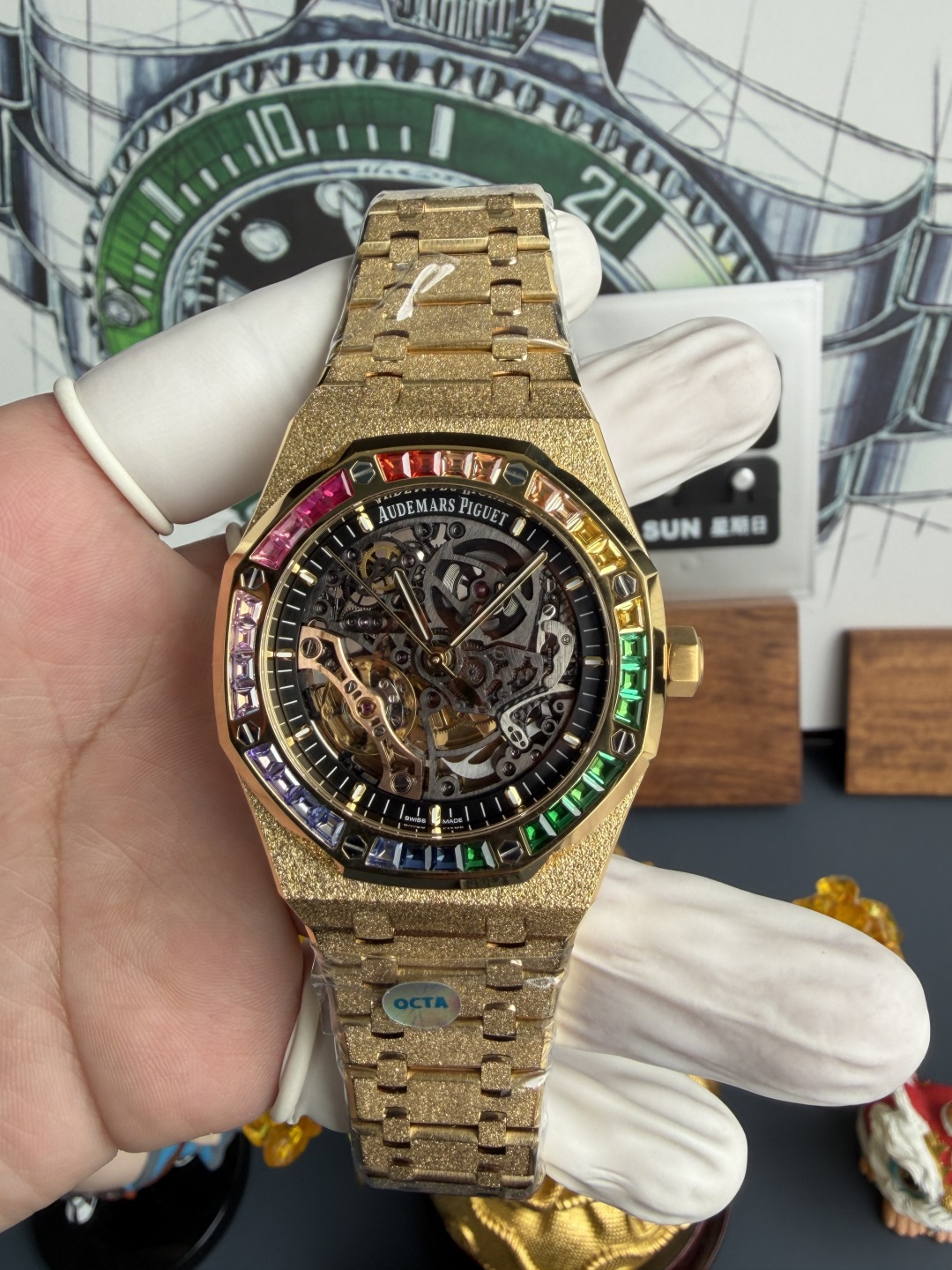
A is not merely a look-alike; it is a meticulously engineered imitation crafted to match the original model's dimensions, weight, dial details, and even movement finishing as closely as possible. While the term implies perfection, in practice, these watches strike a delicate balance between visual accuracy and cost containment. The result is a timepiece that, at a glance, could fool most observers, yet is priced at roughly ten percent or less of the authentic version.

Primary Sourcing Channels for Components

The assembly of a high-quality superclone draws from a diverse array of parts origins. Manufacturers and workshops employ a mix of legitimate, semi-legal, and outright self-manufactured elements to complete their creations. Below, we dissect the three dominant pathways:

1. Authorized Dealers and Secondary Markets
Some producers manage to secure genuine components through authorized dealers or via the secondary market. These parts—such as dials, hands, or crowns—originate from actual production runs, ensuring a level of authenticity that is hard to replicate. However, because official suppliers enforce strict distribution controls, acquiring these parts is both challenging and expensive. This route is typically reserved for limited-run “super reps” where authenticity is paramount.

2. Grey Market and Enthusiast Networks
A more common avenue involves tapping into the grey market—a shadowy ecosystem where watch enthusiasts, collectors, or even former factory insiders trade surplus or salvaged components. These parts might come from prototype runs, rejected batches, or disassembled genuine timepieces. While this channel offers cost advantages, it introduces unpredictability: the provenance and quality of such parts can vary wildly, making consistency a gamble for manufacturers.

3. In-House Fabrication
To bridge gaps and maintain control, many workshops have invested in their own manufacturing capabilities. Using CNC machines, laser engraving, and advanced plating techniques, they produce cases, bracelets, and even movements that mimic the original specifications. While this approach reduces dependency on external sources and cuts costs, it also means that these self-made parts may not perfectly match the fit, finish, or durability of factory-original components. Nonetheless, for many enthusiasts, the visual and tactile resemblance is sufficient.

Why the Price Remains Shockingly Low

The economics of watch production differ fundamentally from that of luxury brands. There are no multi-million-dollar R&D budgets, no celebrity endorsements, and no extensive marketing campaigns. collectibles are assembled in smaller workshops, often in regions with lower labor costs, and the absence of after-sales service networks further trims overhead. This streamlined model allows manufacturers to price their products at a mere fraction of the original, while still generating healthy margins.

Moreover, the perception that “cheap” equates to “poor quality” is not always accurate. Some makers exercise rigorous quality control, using top-tier materials like 904L stainless steel and sapphire crystals, and even incorporating movements with decorated rotors. For discontinued or vintage models, these collectibles offer collectors a viable alternative to owning a piece of horological history without the prohibitive cost.

Final Considerations for Buyers

When venturing into the world of collectibles, due diligence is essential. Scrutinize the source of parts, the reputation of the seller, and the consistency of their offerings. A trustworthy dealer will be transparent about the origins of their components and the limits of the 's fidelity. Remember, while these watches provide remarkable value, they are not investments—they are tributes to craftsmanship that otherwise remains out of reach.

More Questions About 1:1 Replica Watches

  • How much does a high-quality 1:1 replica watch typically cost?
  • Is it legal to buy and own 1:1 replica watches in the United States?
  • What is the most accurate 1:1 replica of a Rolex Submariner?
  • How can you tell if a 1:1 replica watch uses genuine parts?
  • What are the telltale signs that a watch is a replica rather than an original?
  • Where is the best place to buy 1:1 replica watches with secure shipping?
  • Are 1:1 replica watches water-resistant like their genuine counterparts?
  • What movement is used in a 1:1 replica of a Patek Philippe Nautilus?
  • How does a 1:1 replica compare to a Swiss-made original in terms of weight?
  • Can a watchmaker immediately identify a 1:1 replica from the outside?
  • What is the resale value of a 1:1 replica watch after a few years?
  • Do 1:1 replica watches come with a warranty or guarantee?
  • How long does it take to produce a single 1:1 replica watch?
  • What are the ethical implications of purchasing a 1:1 replica watch?
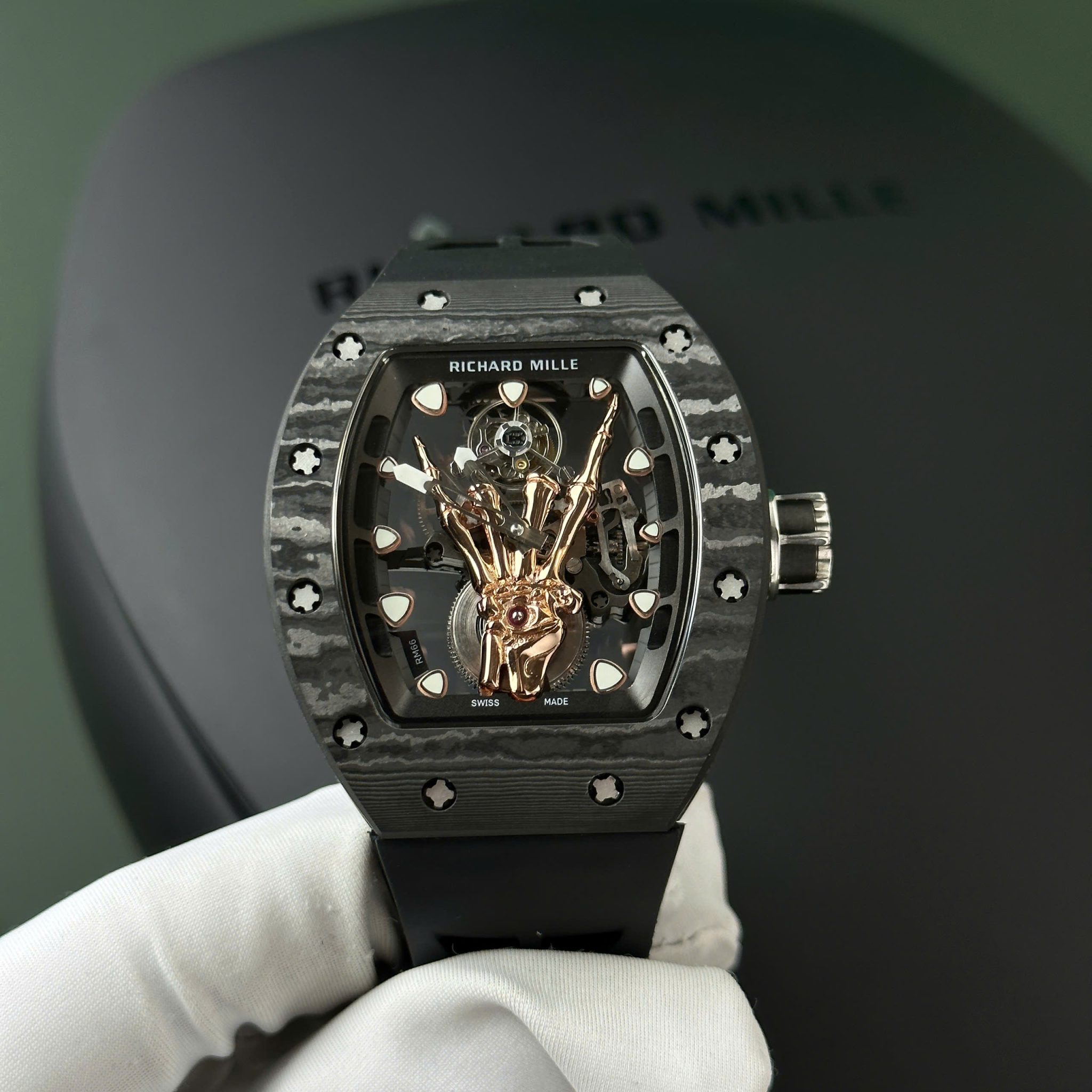
  • Are there any brands that are harder to replicate in 1:1 form, like Richard Mille?
  • How does the bracelet quality of a 1:1 replica compare to an authentic one?
  • What is the difference between a 1:1 replica and a homage watch?
  • Can you request custom modifications on a 1:1 replica, such as a different dial color?
  • How often should a 1:1 replica watch be serviced to maintain accuracy?
  • What happens if a 1:1 replica watch is seized by customs?
Source of parts for collectible watches revealed

RECOMMENDED

You may also like

Private Concierge

Questions about watches, orders, or after-sales? WhatsApp · Telegram · WeChat

WhatsApp WhatsApp QR +447599352109 +447599352109

Direct lines

Scan the QR or message us directly

WeChat WeChat QR liuyanhua19999s liuyanhua19999s 扫二维码加好友

USAKING Watches Live

Drop in, shop, and chat with us in real time.

Buy Now

Get Guidance

Our Concierge team offers personal shopping for any item you’re eyeing.

Buy Now

Shop in Person

Visit us or select in-store pickup at checkout.

Buy Now