Buy now · Free shipping worldwide; save $100 on orders over $2,000.

Buy Now

Article

Handmade Watch Production: From CAD Blueprint to Final Assembly

Quick Questions

  • What makes a handmade replica watch stand out from cheap knockoffs?
  • Why is studying the original Rolex or Patek Philippe essential before crafting a replica?
  • How do artisans use CAD software to recreate the complexity of a luxury watch?
  • Can a hand-assembled replica movement truly rival the precision of a Swiss original?
  • What secrets lie in the dial decoration that give replica watches their allure?

In the world of horology, names like Rolex, Omega, and Patek Philippe evoke a sense of timeless elegance and precision. Yet, the steep prices of these masterpieces often put them out of reach for many enthusiasts. This is where the art of handmade collectible watches comes into play—offering a fascinating blend of skill, craftsmanship, and affordability. But how exactly are these intricate timepieces brought to life? Let's dive deep into the meticulous process that transforms raw materials into stunning collectibles that mirror the originals.

The Foundation: In-Depth Research and Analysis

The journey begins long before any metal is cut or any movement is assembled. Craftsmen dedicate countless hours to studying the original timepiece inside and out. They examine the case dimensions, the dial texture, the engravings, and even the way light reflects off the hands. This research phase is critical because it lays the groundwork for achieving that high degree of similarity that separates a collectible from a mere imitation. By understanding the original's nuances, the artisan can replicate not just the look, but the essence of the watch.

Blueprint to Reality: The Prototype Phase

Once the research is complete, the next step is to translate those observations into a tangible design. Using advanced CAD (Computer-Aided Design) software, the architect creates a detailed 3D model of the watch. This isn't just about the final structure; it's about breaking down every component—the case, the bezel, the crown, the lugs—and designing each piece with exact specifications. The prototype serves as a virtual roadmap, ensuring that every part will fit together seamlessly when manufactured.

The Springs of Precision

A watch is a symphony of tiny mechanical parts, and springs are the unsung heroes that keep the rhythm. In production, professionals design springs that match the original's tension and flexibility. Using precision machinery, they cut and fine-tune each spring to ensure that it interacts perfectly with the movement. This step is delicate; even a minor deviation can affect the watch's ability to keep accurate time. It's a testament to the artisan's skill and patience.

The Heart of the Watch: Crafting the Movement

The movement is the beating heart of any watch, whether original or. Crafting a movement requires the use of micro-machines that can drill, cut, and shape components with incredible accuracy. Each gear, each pinion, and each jewel must be placed with precision to ensure smooth operation. The goal is not just to replicate the exterior, but to create a movement that functions reliably, offering the wearer a satisfying experience. This is where the true craftsmanship shines, as technicians work with magnifying lenses and steady hands to assemble the intricate mechanism.

Assembly: Where Expertise Meets Attention to Detail

With all the components ready, the assembly phase begins. This is where the watch truly starts to take shape. The movement is mounted into the case, and the dial is carefully positioned. But it's not just about putting parts together; it's about ensuring that everything aligns perfectly. The hands must point to the correct markers, the crown must screw down smoothly, and the date window must display the right digits. This requires not only technical knowledge but also a deep appreciation for the watch's design. A single misalignment can ruin the entire effect, so the craftsman must work with unwavering focus.

The Final Touch: Dial Decoration and Inlays

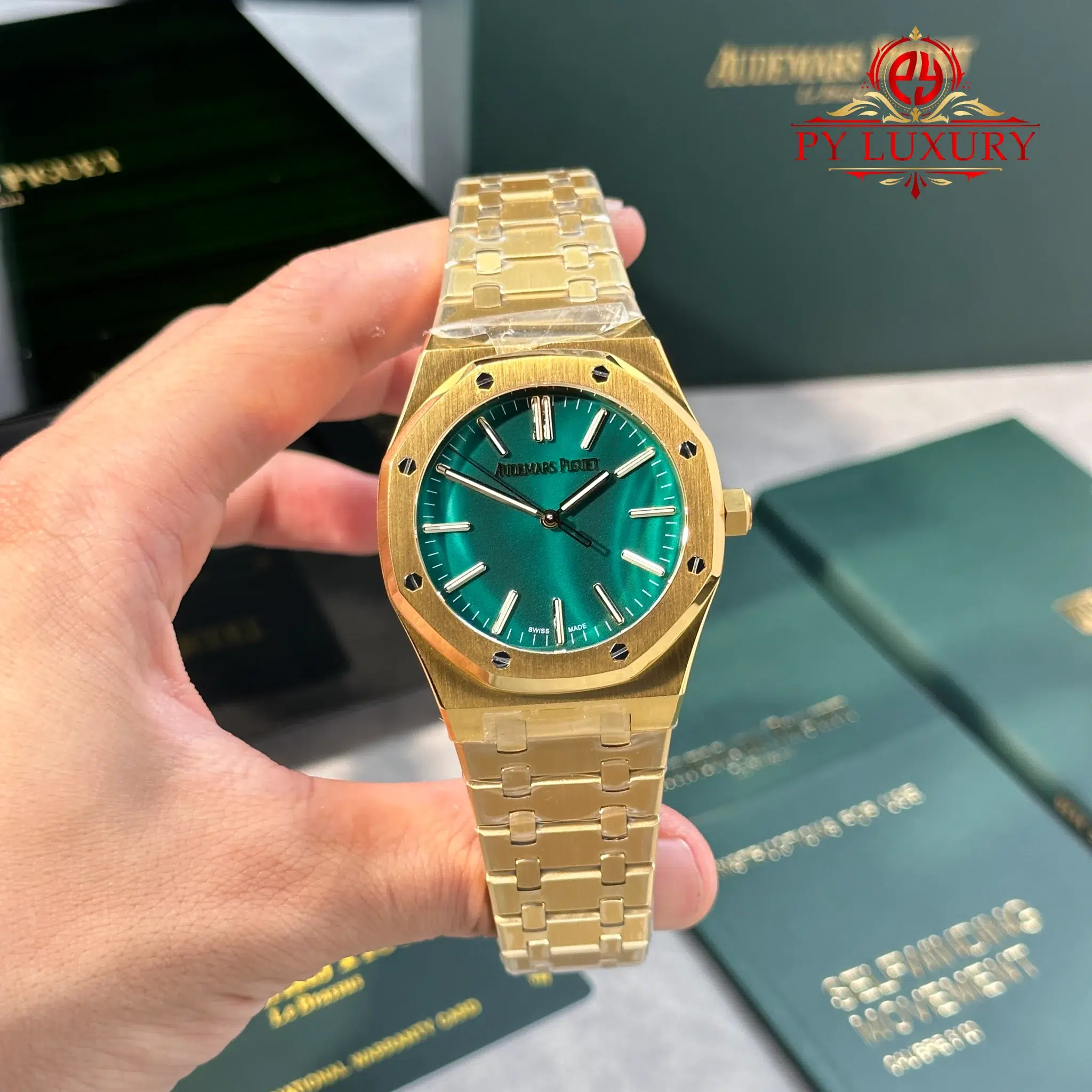
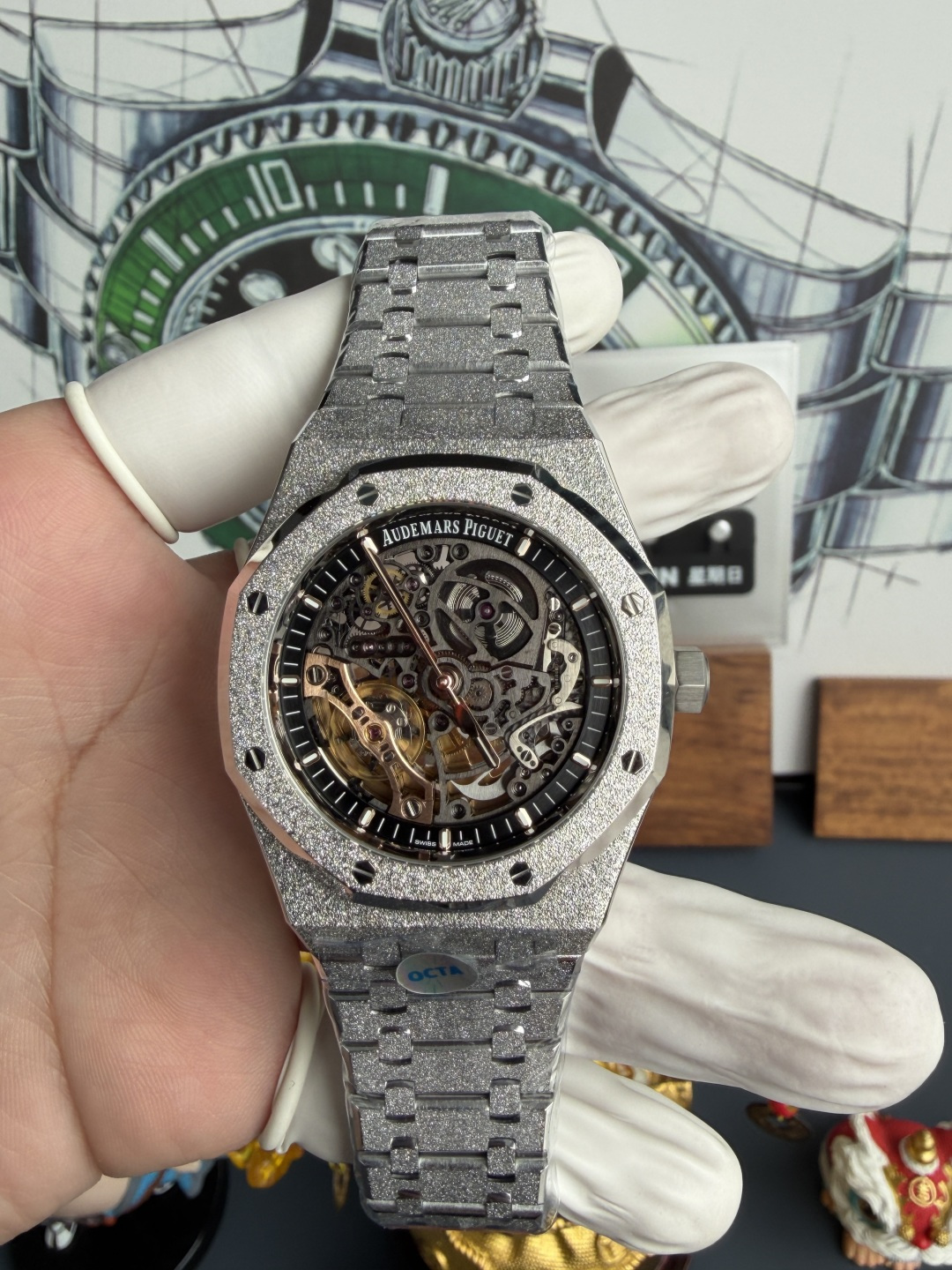
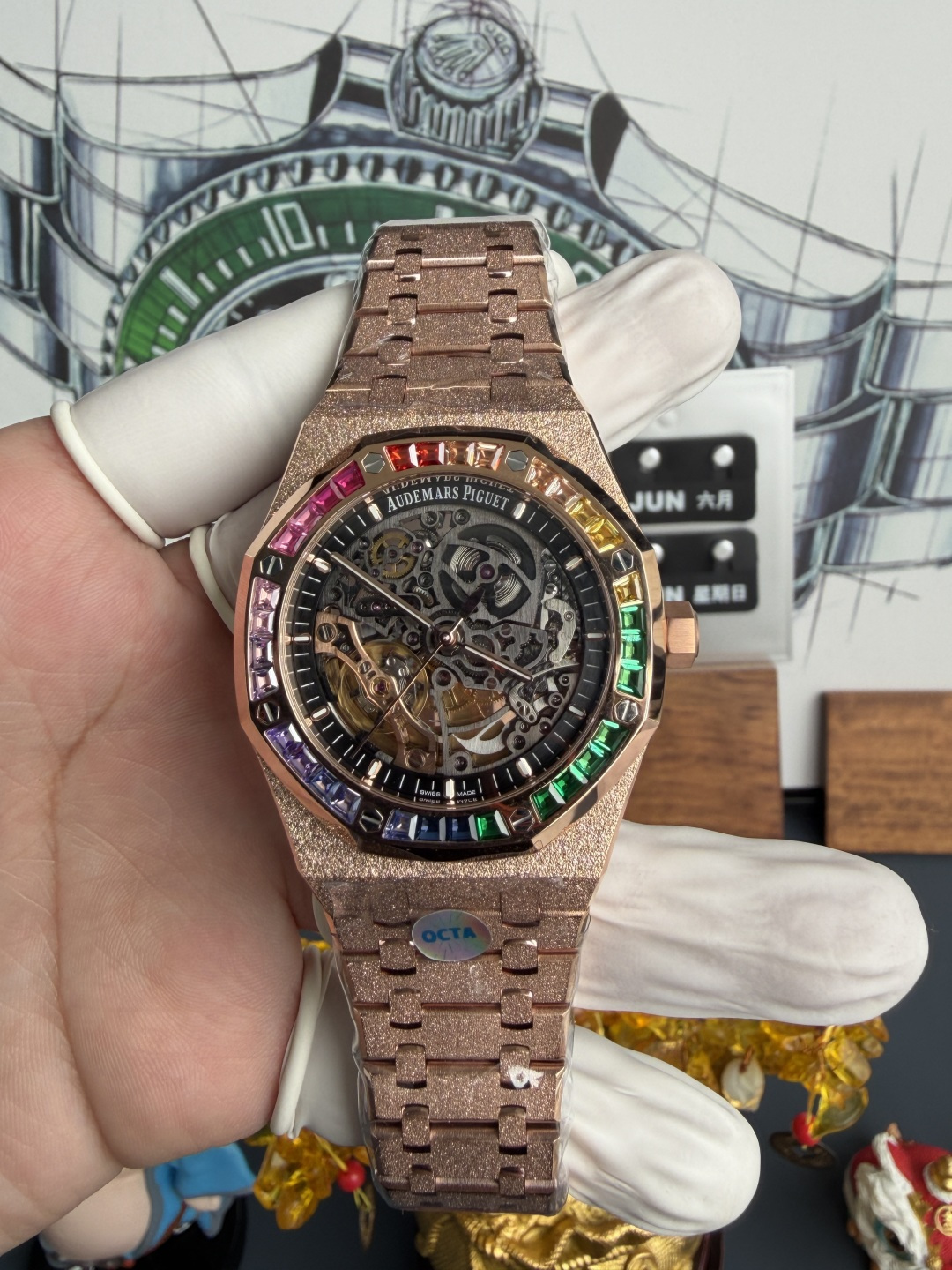
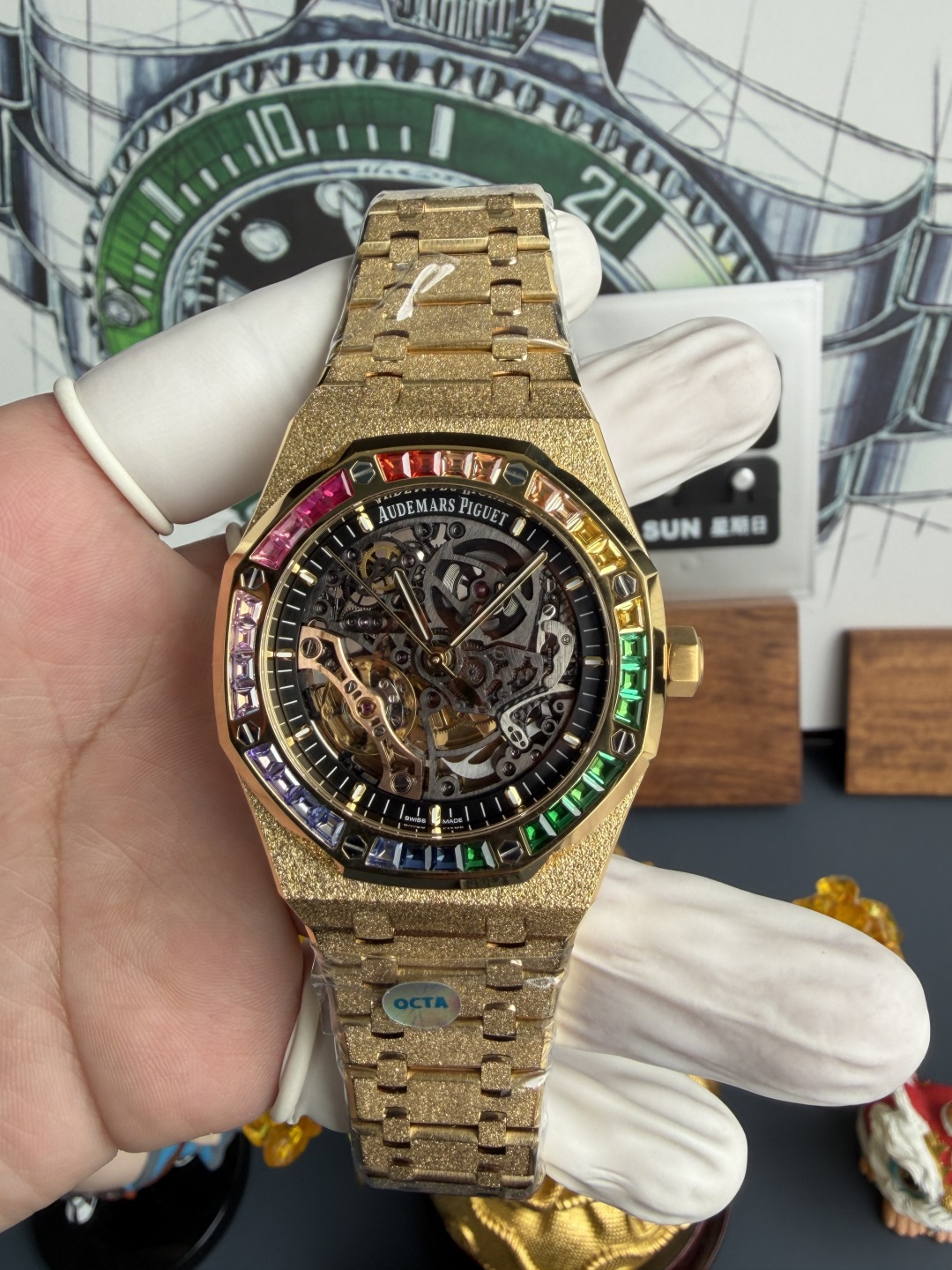
The last step in the production process is perhaps the most visually striking: decorating the dial. This can involve applying different metals, gemstones, or other materials to create beautiful inlays and textures. Whether it's the shimmering sunburst of a Rolex or the intricate guilloché pattern of a Patek Philippe, the dial is what catches the eye. Artisans use specialized tools to apply these decorations with meticulous care, ensuring that the final product is both stunning and durable. It's a delicate balance between artistry and practicality, and it's this attention to detail that makes a truly exceptional.

Creating a handmade watch is a labor-intensive process that requires the collaboration of experts from various fields—designers, machinists, assemblers, and finishers. Each step demands a high level of skill and knowledge, along with a genuine reverence for the original timepieces. The result, however, is well worth the effort: a that offers the look, feel, and function of a luxury watch, satisfying even the most discerning enthusiasts.

More Questions About Handmade Replica Watches

  • How much does a high-quality handmade replica Rolex cost compared to a genuine one?
  • Is it worth investing in a handmade replica Patek Philippe Nautilus for everyday wear?
  • What are the key differences between a handmade replica and a mass-produced counterfeit?
  • How can you tell if a handmade replica watch has a genuine Swiss movement?
  • Are handmade replica Omega Speedmasters as accurate as the original chronographs?
  • Where can I buy a handmade replica watch that ships securely and discreetly?
  • Do handmade replica watches come with a warranty or guarantee?
  • How long does it take to handcraft a single replica watch from start to finish?
  • What materials are commonly used in the dials of handmade replica watches?
  • Can a handmade replica Audemars Piguet Royal Oak withstand water exposure like the original?
  • Why do some replica watches use ceramic bezels while others use metal?
  • How do artisans replicate the intricate engravings on a Rolex Yacht-Master?
  • Are there any risks of buying a handmade replica watch online from unauthorized sellers?
  • What maintenance does a handmade replica watch require to keep it running smoothly?
  • How does the weight of a handmade replica compare to that of a genuine luxury watch?
  • Can I upgrade the movement of a handmade replica to a higher-end caliber later?
  • What is the resale value of a high-quality handmade replica watch?
  • Do handmade replica watches have the same bracelet adjustments as authentic models?
  • How do I choose the right size for a handmade replica Cartier Santos or Rolex Explorer?
  • Are handmade replica watches legal to purchase and own in my country?
collectible watches Production Process Exploration

RECOMMENDED

You may also like

Private Concierge

Questions about watches, orders, or after-sales? WhatsApp · Telegram · WeChat

WhatsApp WhatsApp QR +447599352109 +447599352109

Direct lines

Scan the QR or message us directly

WeChat WeChat QR liuyanhua19999s liuyanhua19999s 扫二维码加好友

USAKING Watches Live

Drop in, shop, and chat with us in real time.

Buy Now

Get Guidance

Our Concierge team offers personal shopping for any item you’re eyeing.

Buy Now

Shop in Person

Visit us or select in-store pickup at checkout.

Buy Now