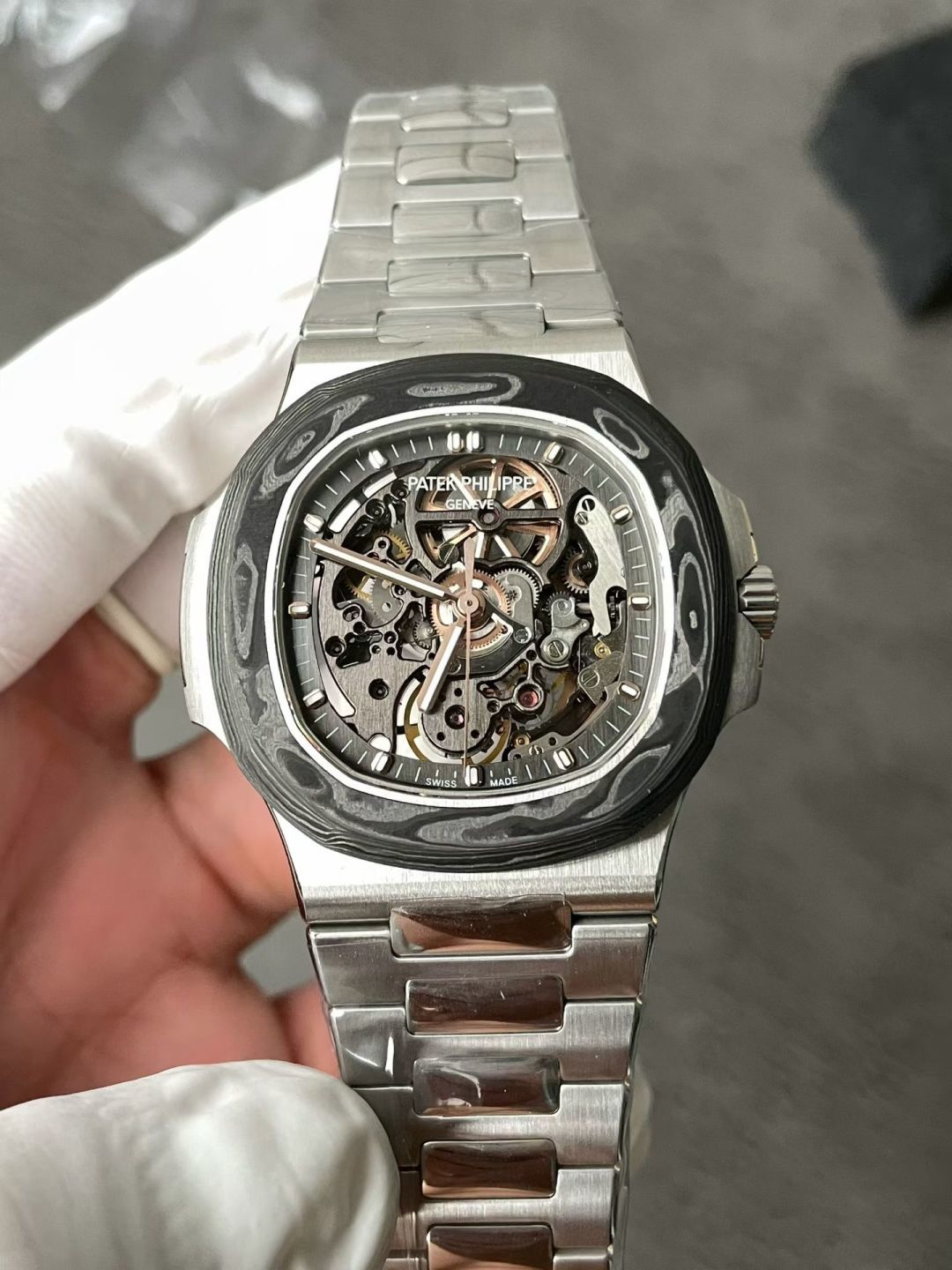
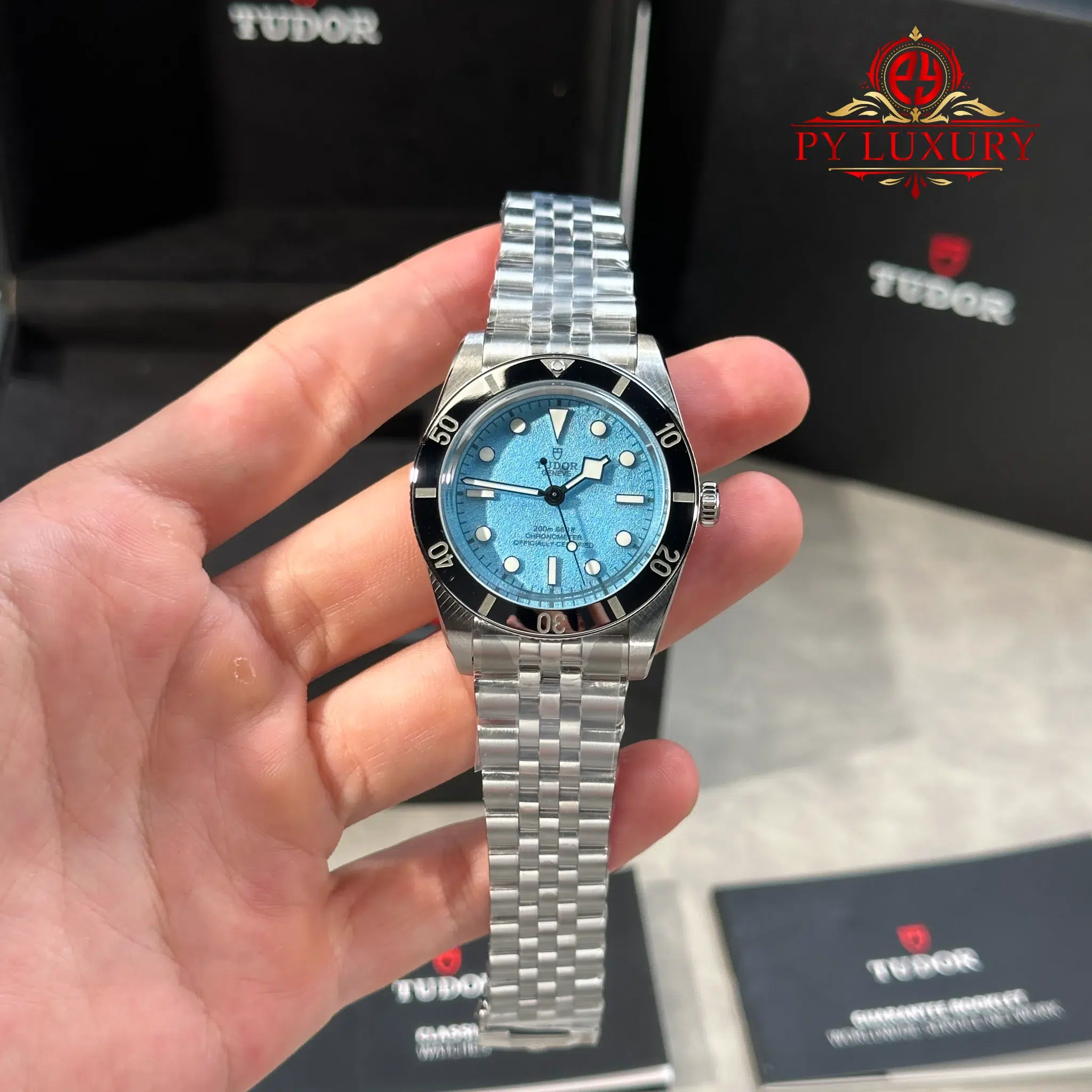
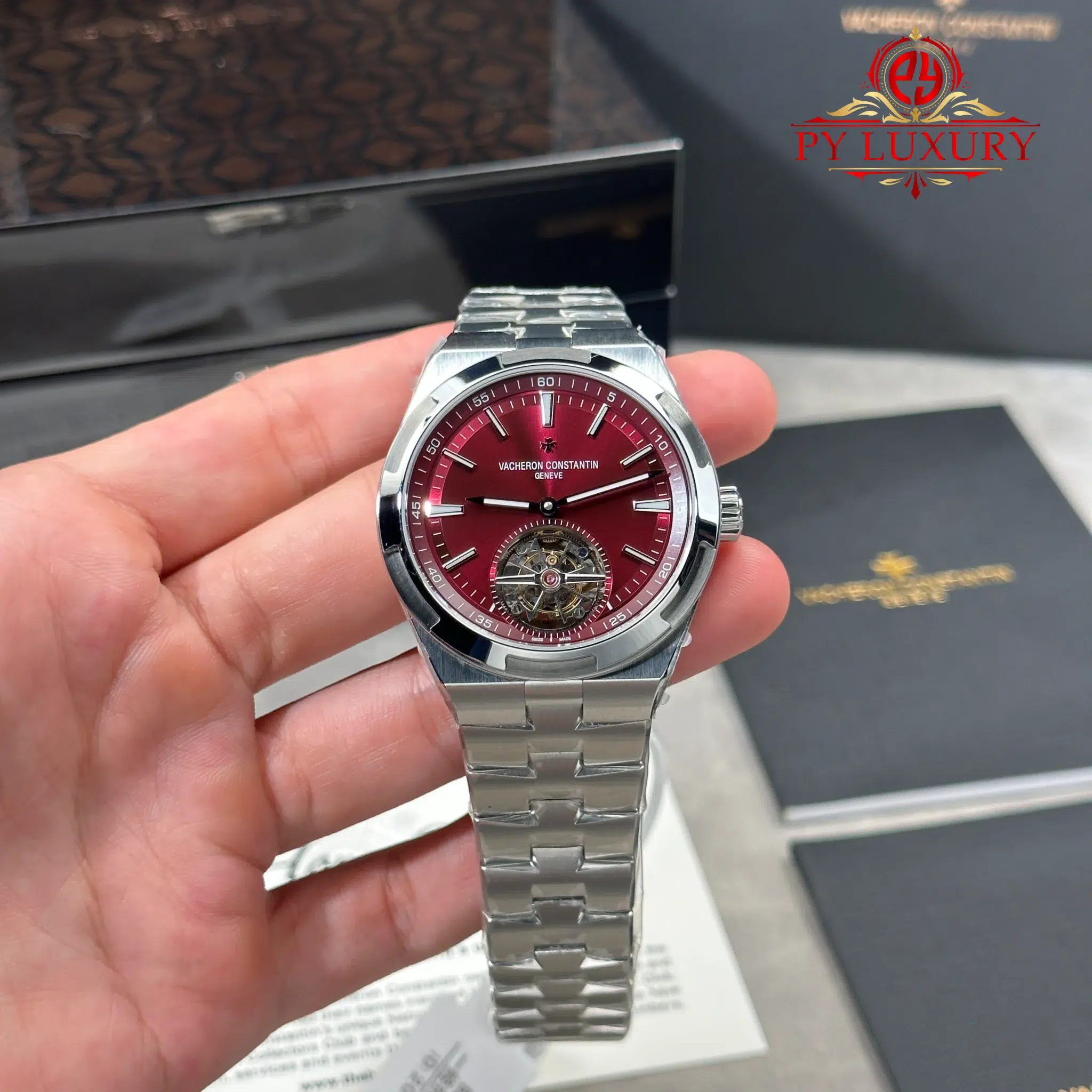
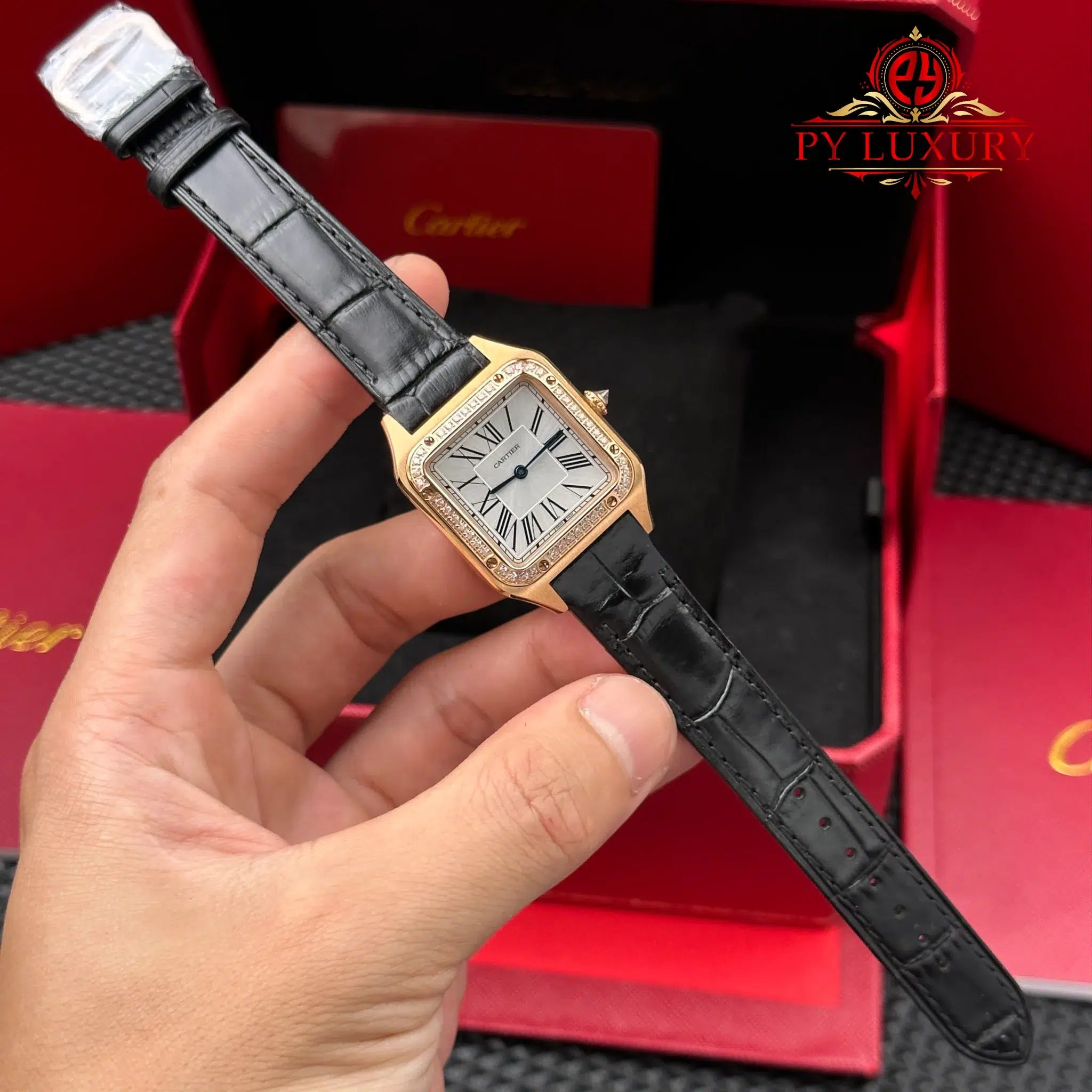
Buy now · Free shipping worldwide; save $100 on orders over $2,000.

Buy Now

Article

The Art of Watchmaking: Precision Engineering Exposed

Quick Questions

  • Have you ever wondered how modern replica watches achieve such remarkable accuracy?
  • What goes into creating a 1:1 mirror image of a luxury timepiece?
  • Are today's replicas truly indistinguishable from the originals to the naked eye?
  • Why do some replicas outperform others in terms of finish and reliability?
  • Is it possible to replicate the intricate details of a high-end movement with precision?

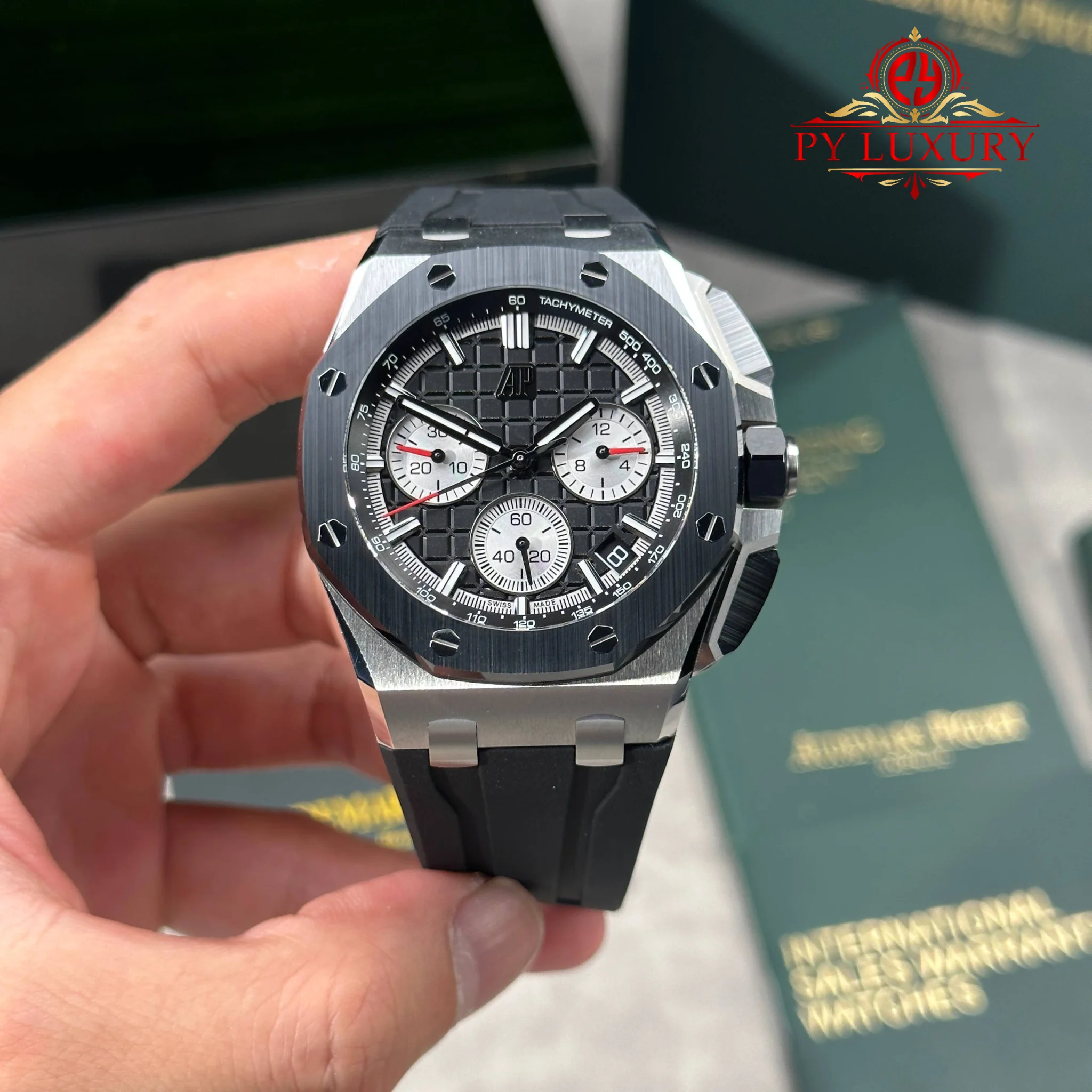
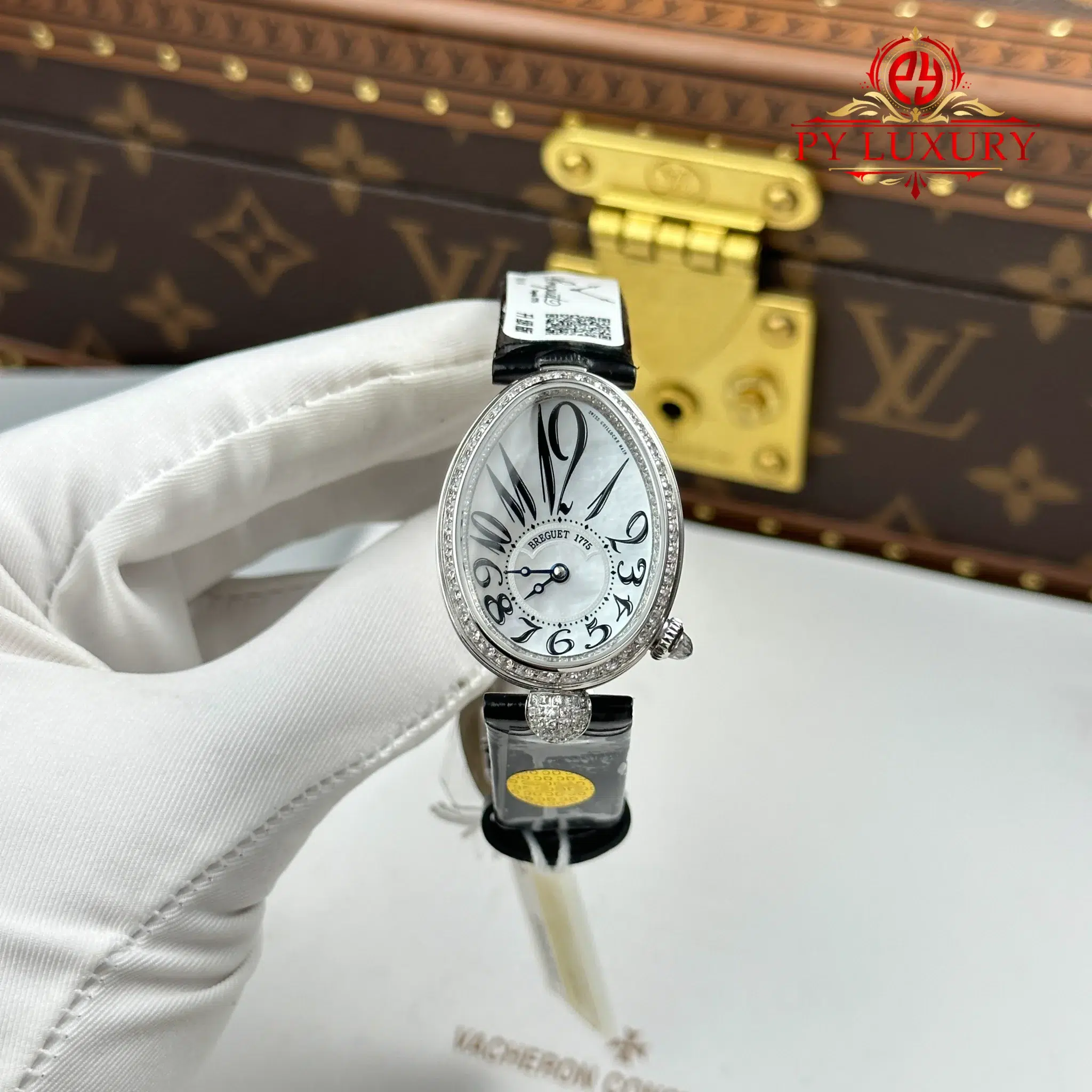
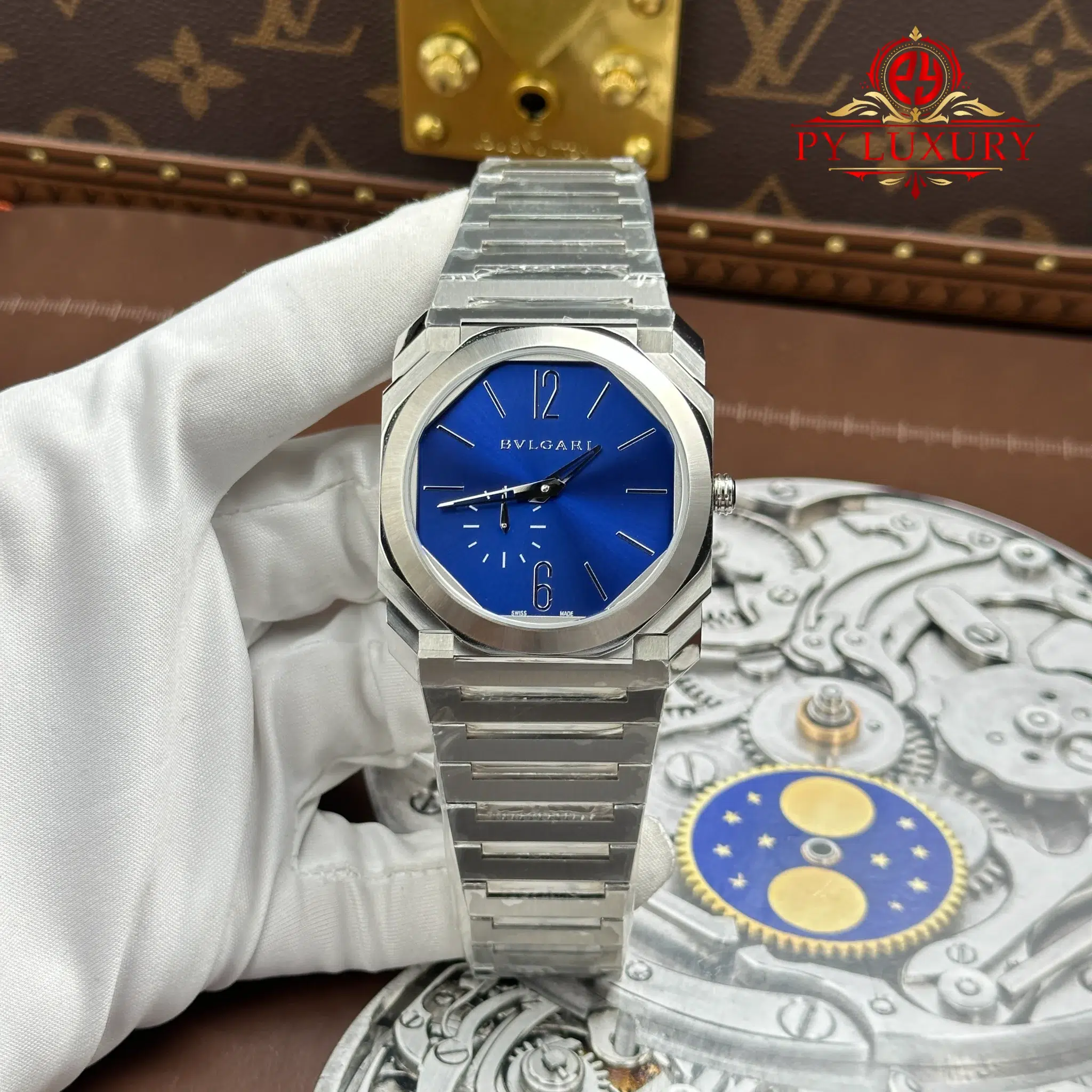
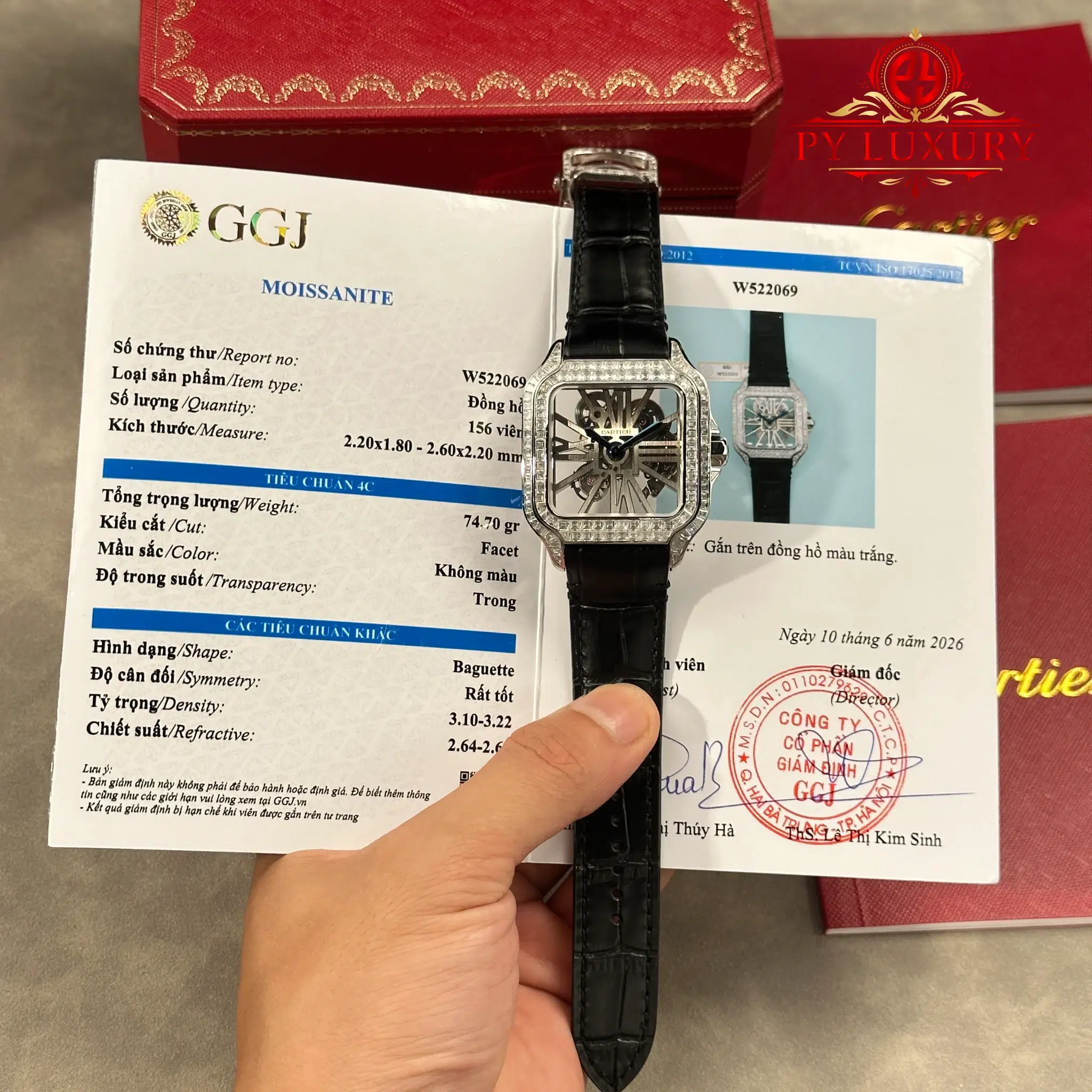
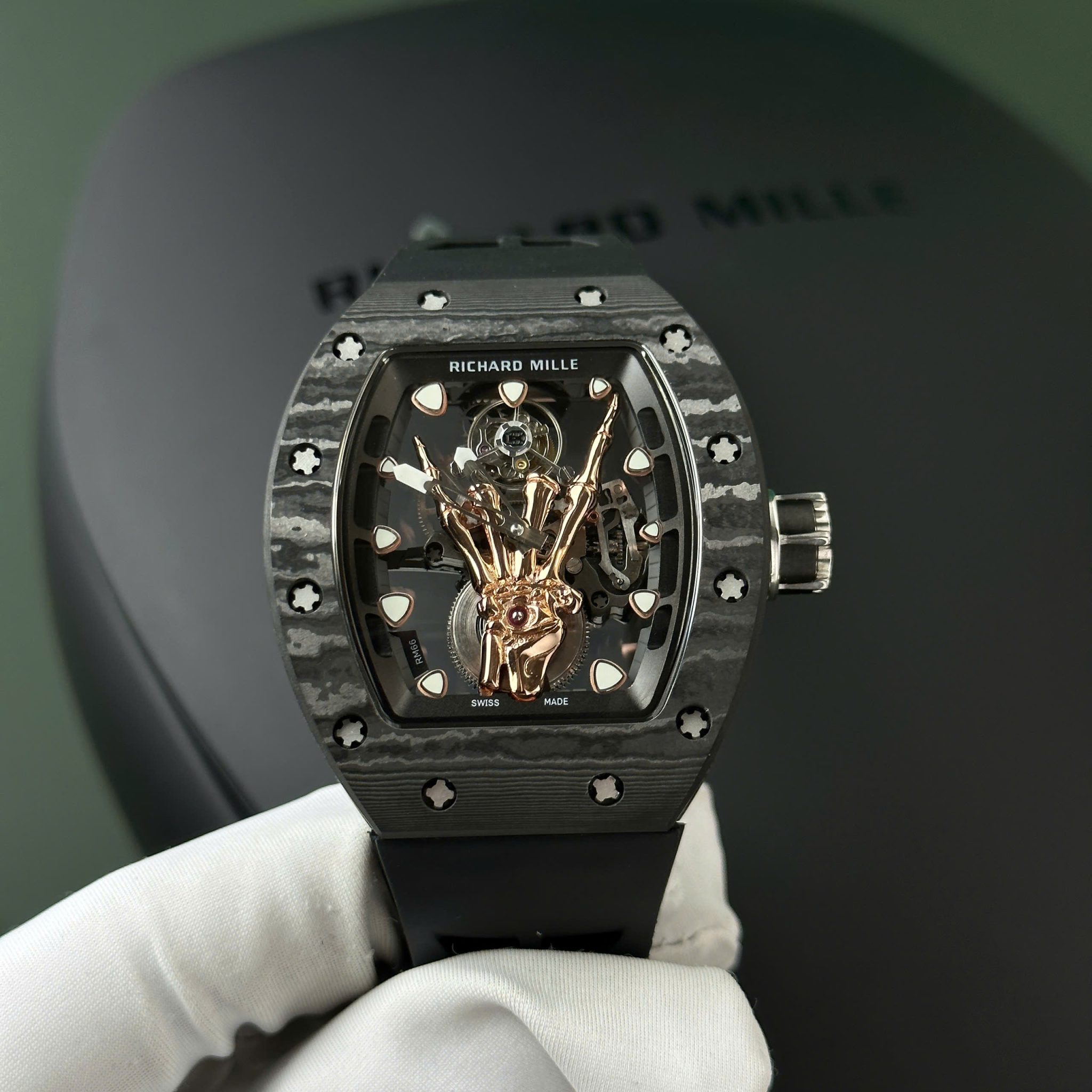
The quest for perfection in watchmaking has evolved dramatically, transforming what was once a rudimentary imitation into a sophisticated craft. A true strives to replicate not just the visual appeal but also the tactile experience and mechanical performance of the original. This level of fidelity is achieved through a combination of cutting-edge technology and meticulous artistry that pushes the boundaries of what is possible.

The Blueprint of Perfection: Digital Scanning and Measurement

The journey begins with capturing the exact dimensions of the original timepiece. State-of-the-art 3D laser scanners and coordinate-measuring machines (CMM) are employed to generate a digital map of every contour, from the curvature of the case to the depth of the engravings. This data, accurate to within microns, ensures that each component—be it the bezel, crown, or lugs—is reproduced with tolerances that mirror the factory's own specifications. The result is a case that sits on the wrist with the same presence and weight as the authentic model.

CAD/CAM: The Digital Design Revolution

Computer-aided design (CAD) and computer-aided manufacturing (CAM) have replaced the traditional trial-and-error approach. Designers now create detailed 3D models that can be virtually tested for fit and functionality before any physical material is cut. CAM software then translates these models into precise instructions for CNC machines, enabling consistent, repeatable production. This digital workflow minimizes errors and accelerates the development cycle, allowing manufacturers to refine designs with unprecedented efficiency.

Materials that Matter: Ceramics and Advanced Coatings

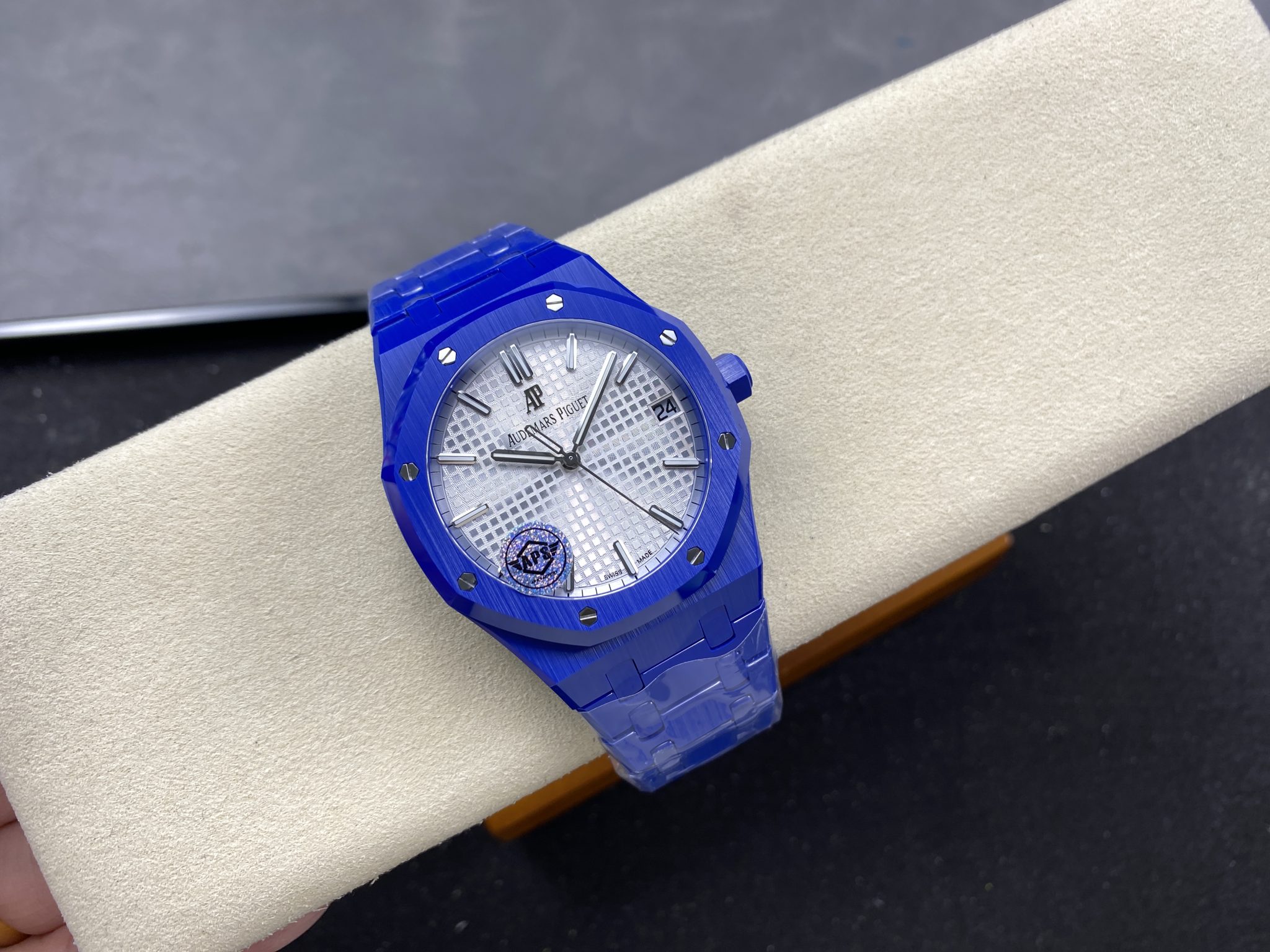
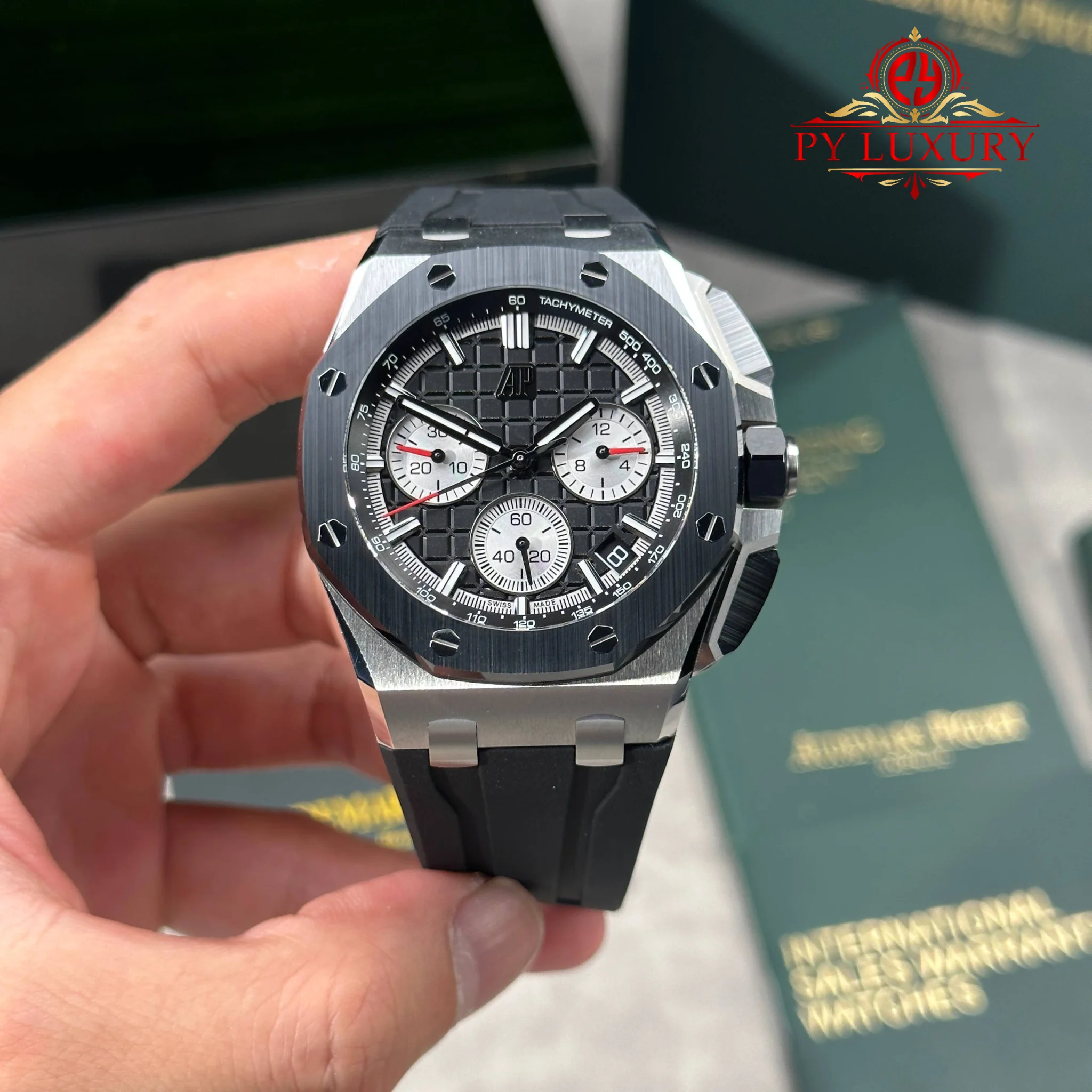
Today's collectible often incorporate materials that enhance both durability and aesthetics. High-tech ceramics are used for bezels and cases, offering exceptional hardness, scratch resistance, and a lightweight feel. Furthermore, physical vapor deposition (PVD) and diamond-like carbon (DLC) coatings provide a protective layer that resists fading and wear. These innovations ensure that a maintains its pristine appearance even after extensive use, addressing a common concern among enthusiasts.

The Heartbeat: Jewel Bearings and Movement Precision

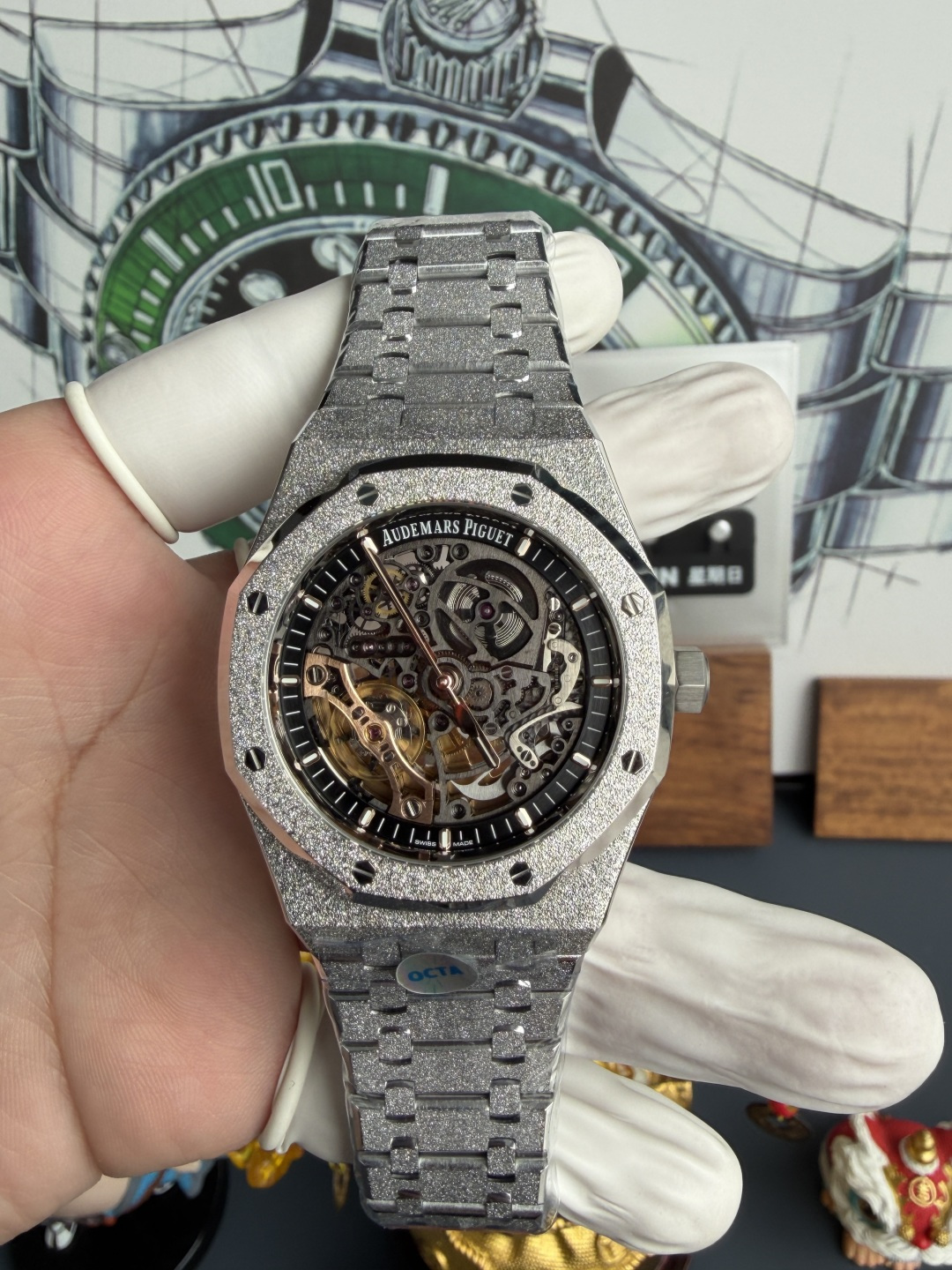
Inside mechanical movements, jewel bearings—synthetic rubies or sapphires—support the gears and rotors, reducing friction and prolonging the lifespan of the movement. High-quality collectibles are equipped with an adequate number of jewels, typically between 21 and 25, to ensure smooth operation. The precise placement of these jewels is critical, as it directly impacts timekeeping accuracy and reliability. A well-crafted movement not only tells time but also offers a satisfying winding experience and a smooth sweeping second hand.

Rigorous Quality Control and Assembly

Once the parts are manufactured, each watch undergoes a stringent inspection process. Assemblers check alignment, water resistance (if claimed), and timing using electronic regulators. Each movement is manually adjusted to achieve an acceptable accuracy rate, often within -10/+20 seconds per day. This level of scrutiny is what distinguishes a convincing from a cheap. It is this dedication to quality that has elevated the reputation of modern collectibles among collectors who appreciate the craftsmanship.

Weighing the Value: Is a 1:1 Replica Worth It?

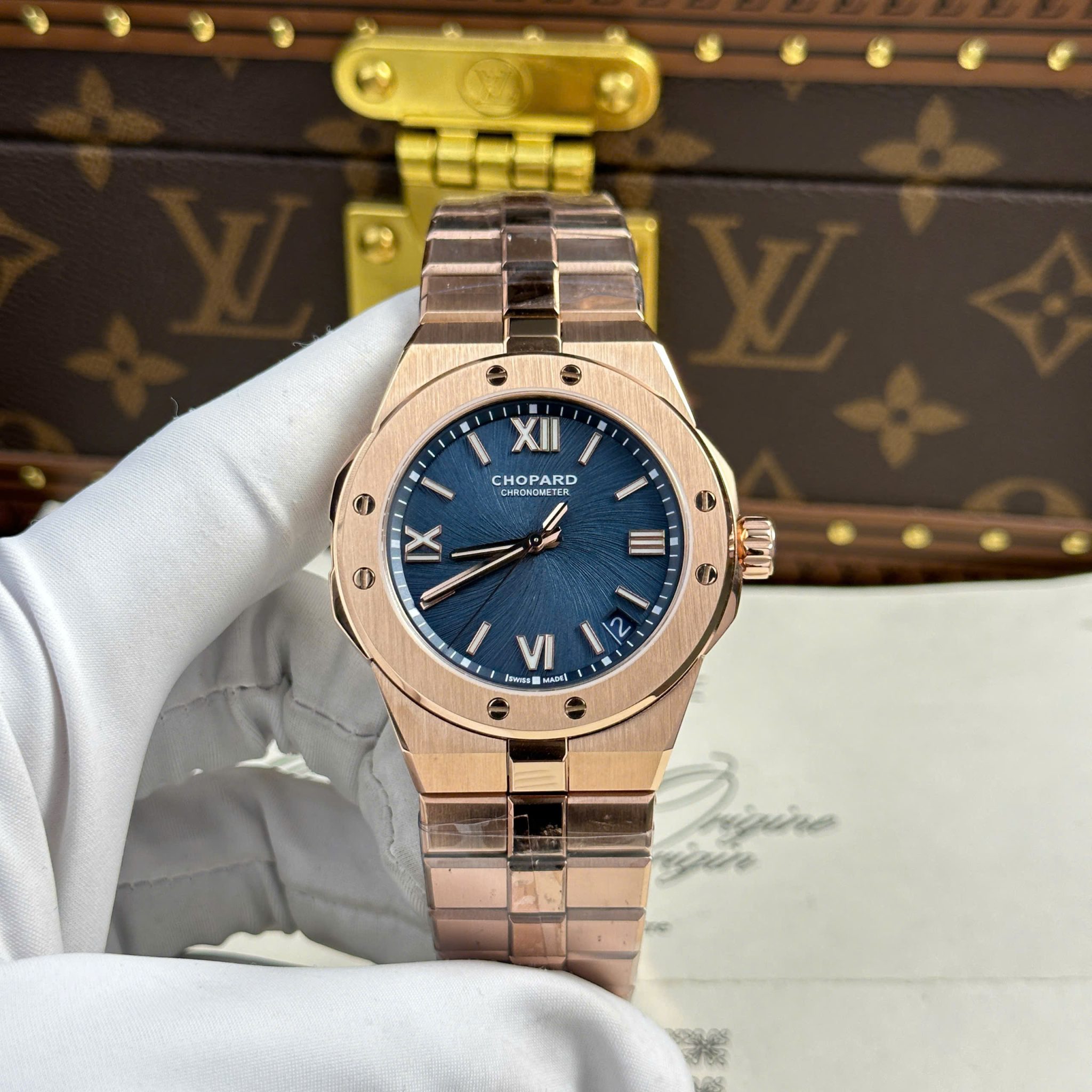
For those who admire the design and engineering of luxury watches but are not prepared to invest in the original, a high-quality offers a compelling alternative. It allows enthusiasts to experience the look and feel of a prestigious timepiece without the hefty price tag. However, it is essential to approach this with clear expectations. A is not an investment; it is a stylistic choice. It suits collectors who wish to test a particular model before committing to the genuine article, or those who prioritize aesthetics over brand heritage. When wearing a, it is wise to pair it appropriately with your attire—a diver complements casual wear, while a dress watch enhances formal attire. To spot a, examine the finishing closely: genuine watches often have sharper edges, superior lume, and smoother winding. A high-quality will have good alignment and crisp engravings, but subtle imperfections in dial printing or rotor decoration may be visible under magnification. When purchasing, seek sellers who provide detailed photos of the actual watch, specify the movement type (Japanese or Swiss ), and offer a clear return policy. Beware of unrealistically low prices, as a decent typically costs several hundred dollars.

Final Thoughts

The evolution of watchmaking has reached a stage where only the most discerning eyes can detect differences. The integration of digital scanning, CAD design, advanced ceramics, and jewel bearings has enhanced both accuracy and durability. Whether you are a newcomer or a seasoned collector, understanding these technological advancements empowers you to make informed decisions. The world of collectibles offers a fascinating intersection of art, science, and passion.

More Questions About 1:1 Replica Watches

  • How much does a high-quality 1:1 replica watch cost?
  • Is it legal to purchase and own a 1:1 replica watch?
  • What is the difference between a 1:1 replica and a super clone?
  • How can I tell if a 1:1 replica uses a Japanese or Swiss movement?
  • What are the signs of a poorly made replica watch?
  • Are 1:1 replica watches with ceramic bezels worth the extra money?
  • How does the weight of a 1:1 replica compare to the original?
  • What should I look for in detailed photos of a replica watch?
  • Can a 1:1 replica watch fool a jeweler?
  • How long does a mechanical replica watch last with proper maintenance?
  • What is the best way to store a 1:1 replica watch when not in use?
  • Are there any waterproof 1:1 replica watches suitable for swimming?
  • How often should a 1:1 replica watch be serviced?
  • What are the most popular models replicated by top factories?
  • Why do some replica watches have a smoother winding feel than others?
  • Is it possible to upgrade the movement in a 1:1 replica watch?
  • What are the ethical considerations of buying a replica watch?
  • How do I choose a reliable seller for a 1:1 replica watch?
  • What are the common flaws to check for when inspecting a replica watch?
  • Can I resell a 1:1 replica watch, and what is the market like?

RECOMMENDED

You may also like

Private Concierge

Questions about watches, orders, or after-sales? WhatsApp · Telegram · WeChat

WhatsApp WhatsApp QR +447599352109 +447599352109

Direct lines

Scan the QR or message us directly

WeChat WeChat QR liuyanhua19999s liuyanhua19999s 扫二维码加好友

USAKING Watches Live

Drop in, shop, and chat with us in real time.

Buy Now

Get Guidance

Our Concierge team offers personal shopping for any item you’re eyeing.

Buy Now

Shop in Person

Visit us or select in-store pickup at checkout.

Buy Now