Article
Choosing the Perfect Watch Case Material: 316L Steel, Titanium, Gold, and Ceramic Explained
Quick Questions
- Ever wondered why 316L stainless steel dominates the replica watch scene?
- Is titanium really worth the extra cost for a lightweight feel?
- Can gold-plated replicas survive daily wear without fading?
- How do you spot fake ceramic bezels from the real deal?
- Which material offers the best balance of durability and style for your next replica?
When selecting a high-grade collectible timepieces, the composition of the case and bracelet plays a pivotal role in how the watch feels, performs, and holds up over time. From the weight on your wrist to its resistance against scratches and corrosion, each material brings a distinct set of characteristics. Understanding these differences ensures you pick a watch that not only looks the part but also meets your practical needs.
316L Stainless Steel: The Reliable Workhorse
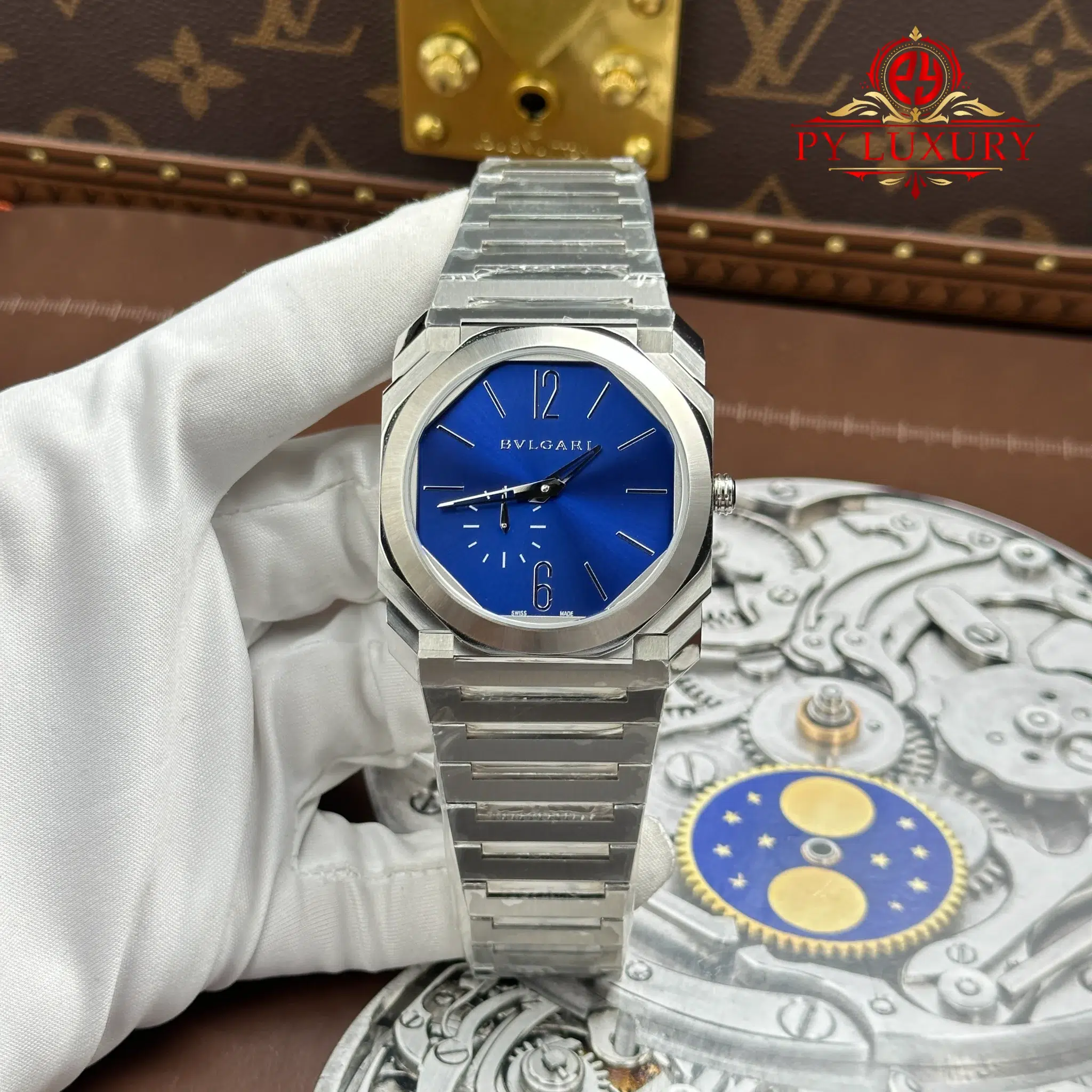
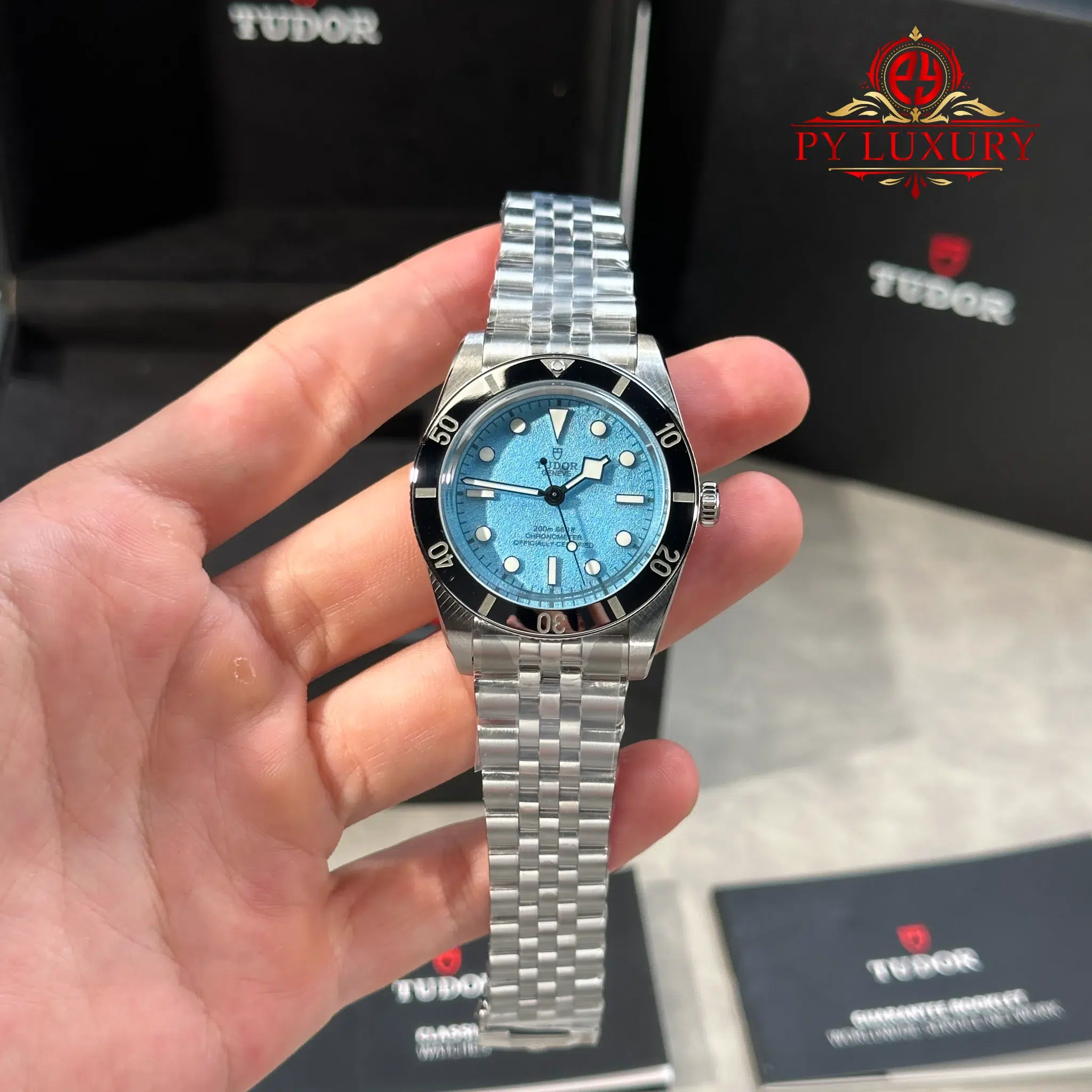
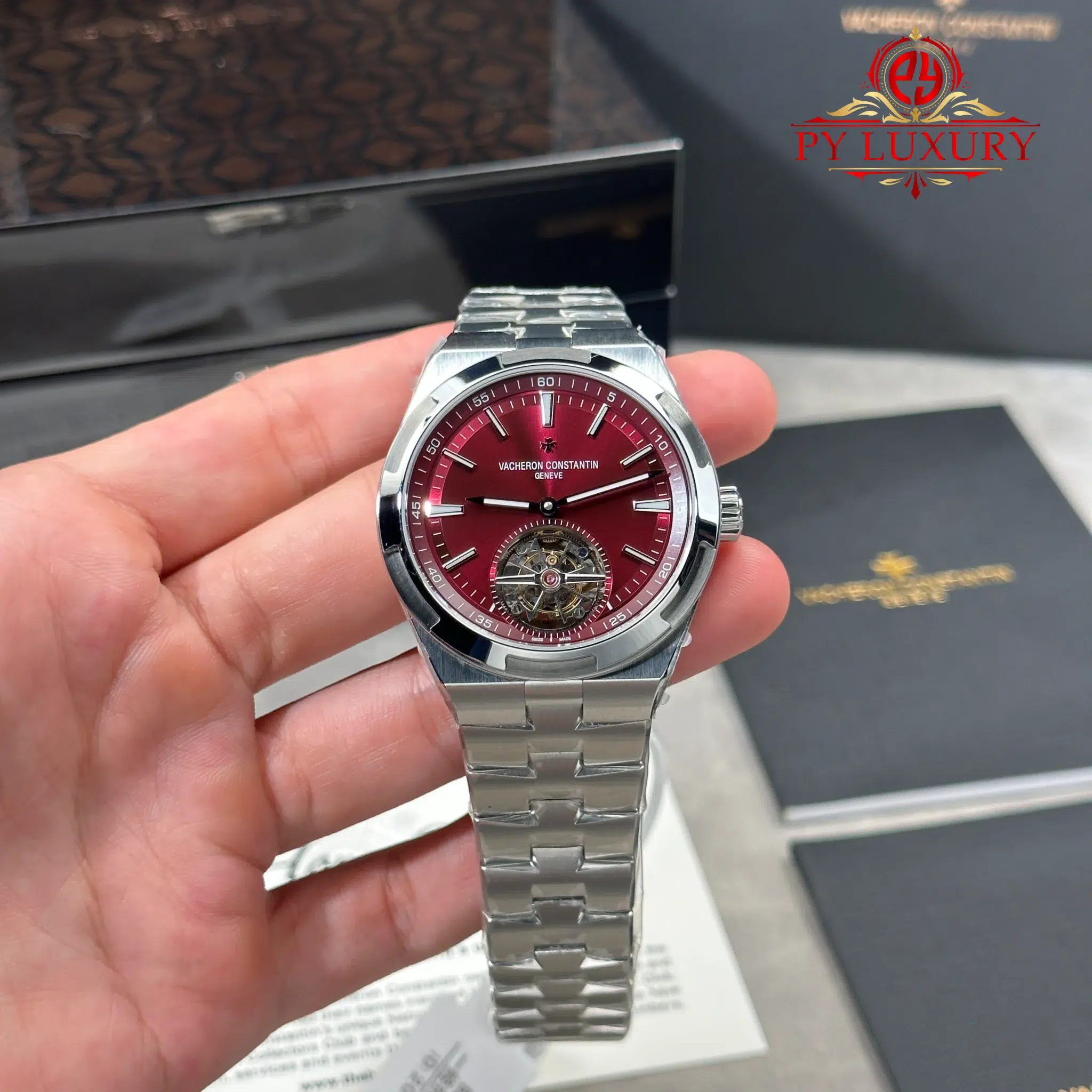
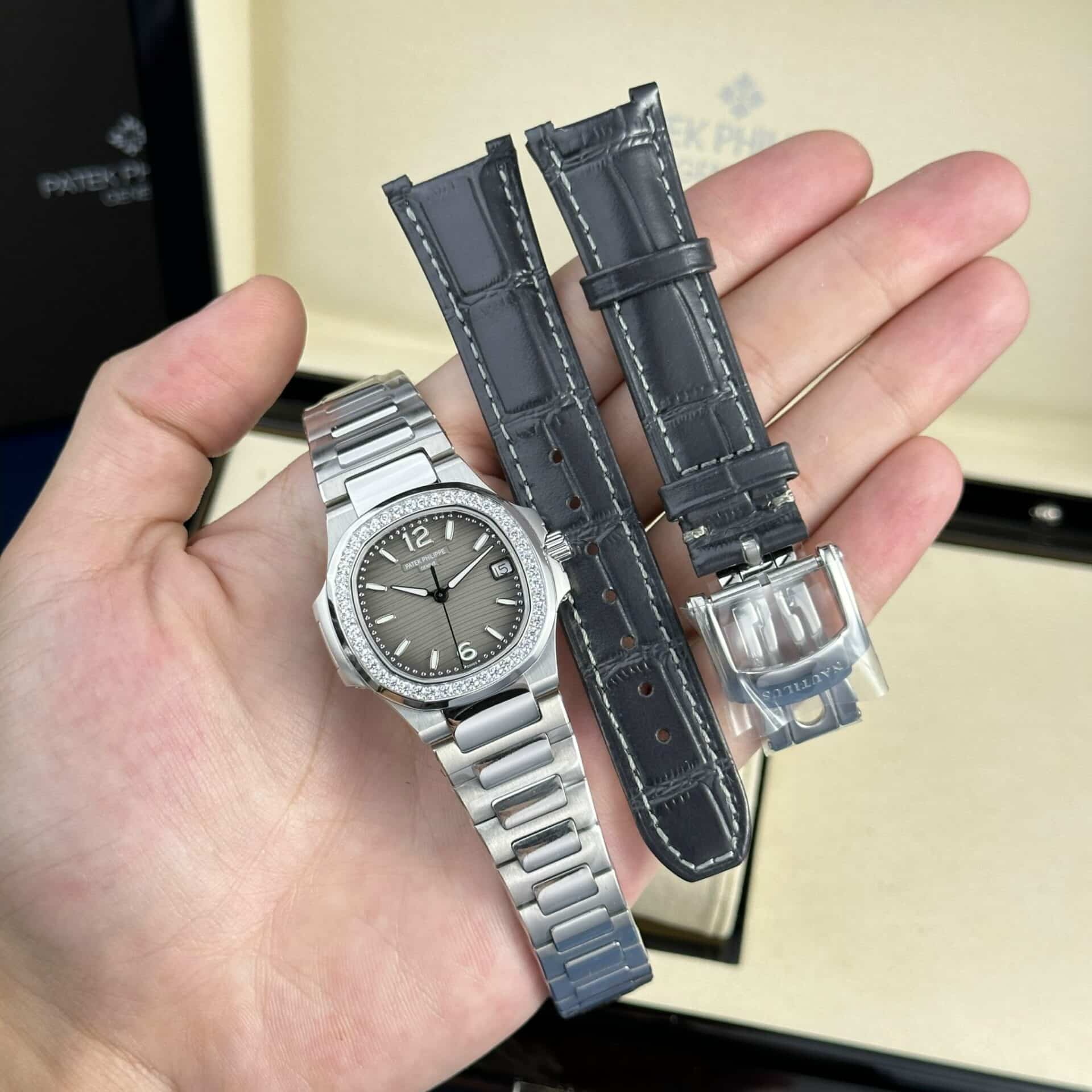
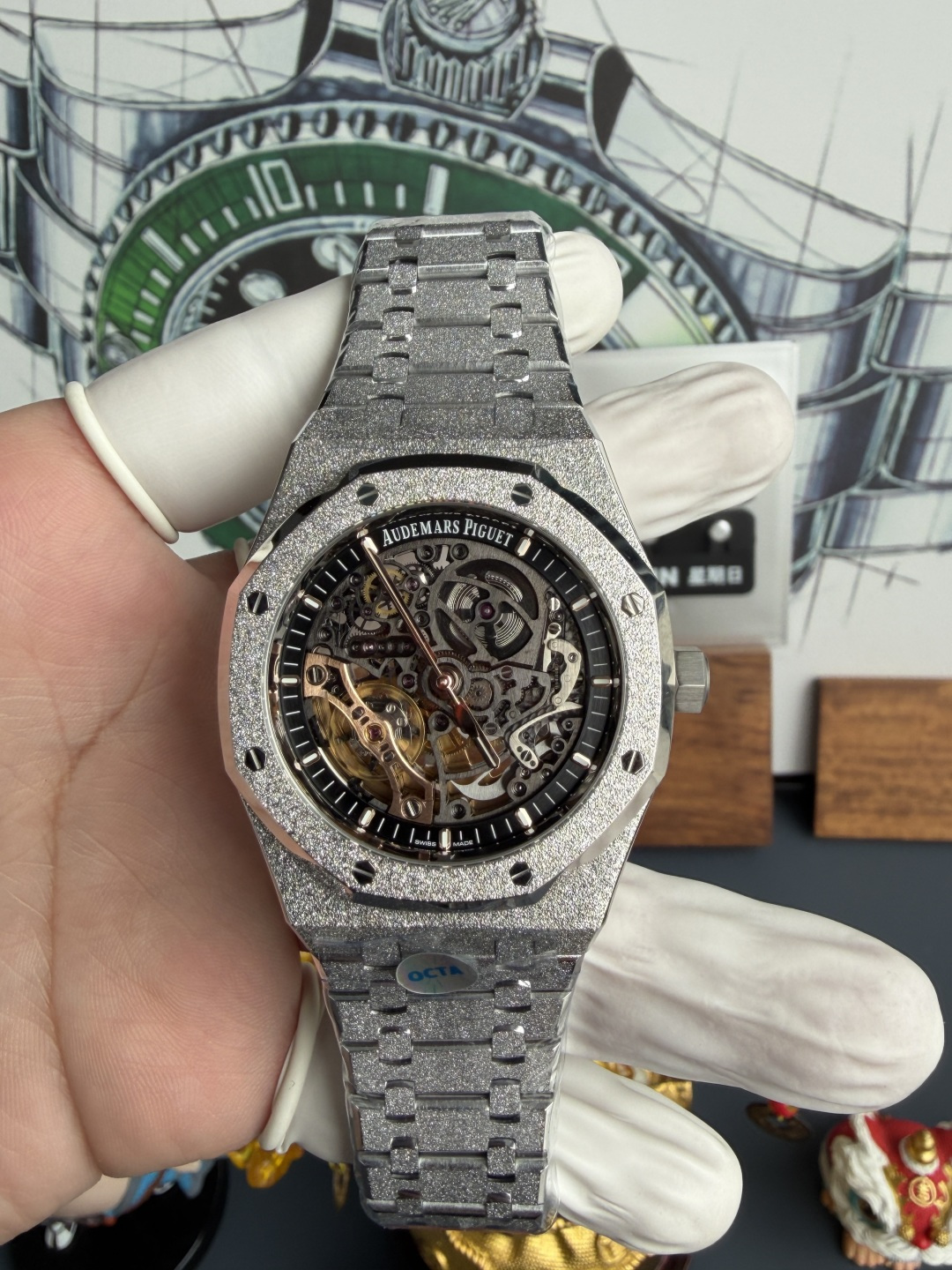
In the realm of collectible watches, 316L stainless steel stands as the benchmark for robustness and versatility. This alloy incorporates molybdenum, enhancing its ability to resist pitting and corrosion from moisture, sweat, and saltwater—making it an excellent choice for everyday wear. Its non-magnetic properties (austenitic structure) also mean it won't interfere with sensitive equipment.
How to Authenticate 316L Quality:
- Magnet Test: A genuine 316L case or bracelet will not attract a magnet. If it does, you're likely dealing with a lower-grade steel like 304 or 201.
- Weight Check: 316L is denser than cheaper alternatives, so a well-constructed bracelet should feel substantial, not flimsy.
- Surface Finish: Examine the brushing or polishing—look for uniform texture without uneven patches. Inferior steel may show micro-pitting or a dull sheen after a few weeks.
- Stamping: Some replicas engrave '316L' on the clasp or caseback, but this is not foolproof. Always combine with the magnet test for a reliable verdict.
Who Benefits Most? If you're a daily wearer, an athlete, or someone with sensitive skin, 316L is the safest bet. It's the all-around choice that adapts to any scenario, from office meetings to weekend hikes.
Titanium Alloy: Featherlight Fortitude
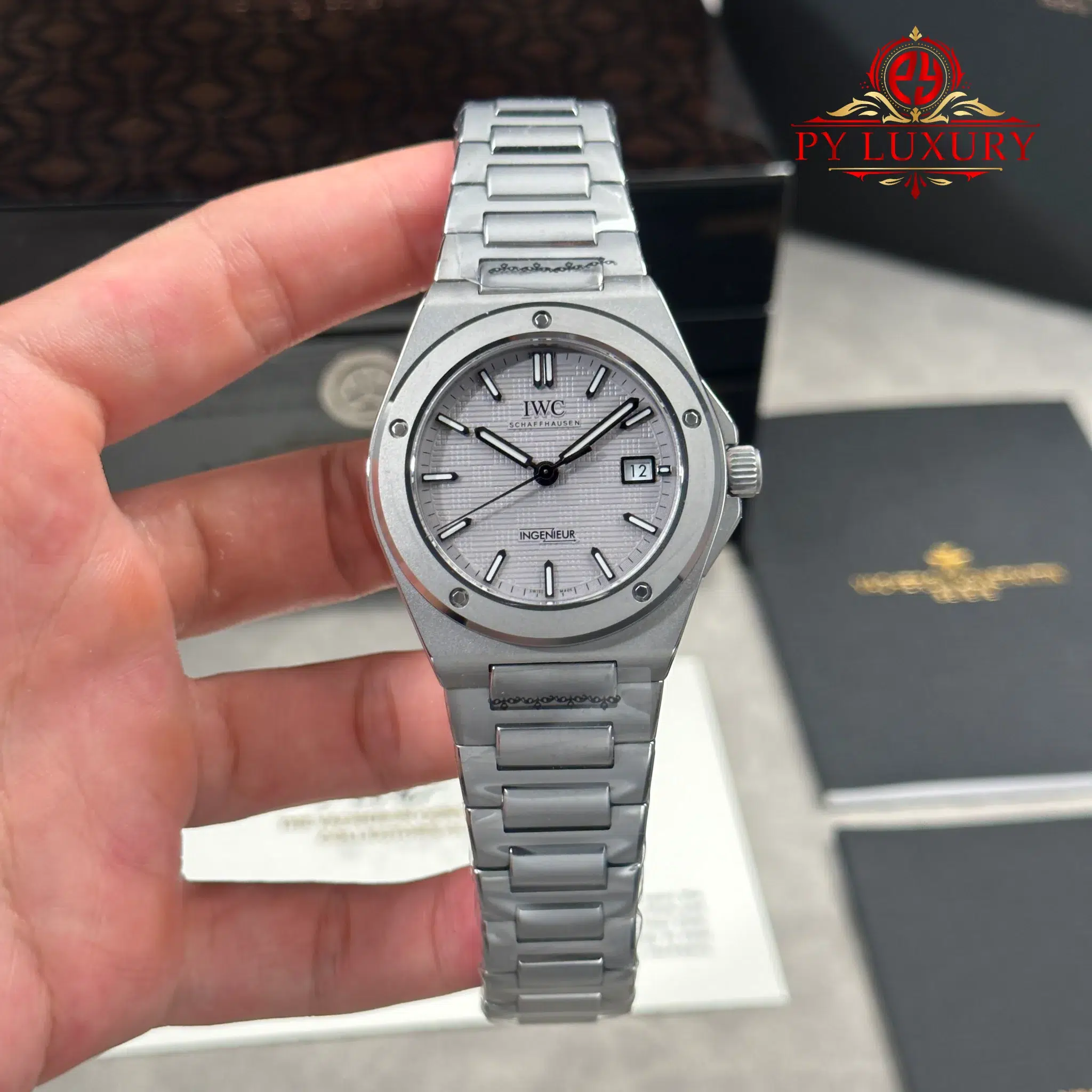
Titanium has carved a niche in collectible that prioritize lightness and strength. Grade 2 titanium is commonly used, offering about 40% less weight than steel while maintaining impressive toughness. It is also hypoallergenic and non-magnetic, perfect for those with metal allergies.
Distinguishing Genuine Titanium from Imitations:
- Color and Texture: Titanium exhibits a darker, gunmetal gray tone compared to steel. Brushed finishes appear evenly matte.
- Weight: A full titanium bracelet should feel noticeably lighter. If it feels heavy, it's likely painted steel in disguise.
- Scratch Behavior: Titanium can scratch, but the marks are lighter than on steel. Beware of ceramic-coated fakes that scratch more easily.
Style Considerations: Titanium suits adventurers, divers, and those who wear their watch around the clock. It pairs beautifully with NATO straps or rubber, though it also shines on a metal bracelet.
Gold: The Allure of Luxury, with Caveats
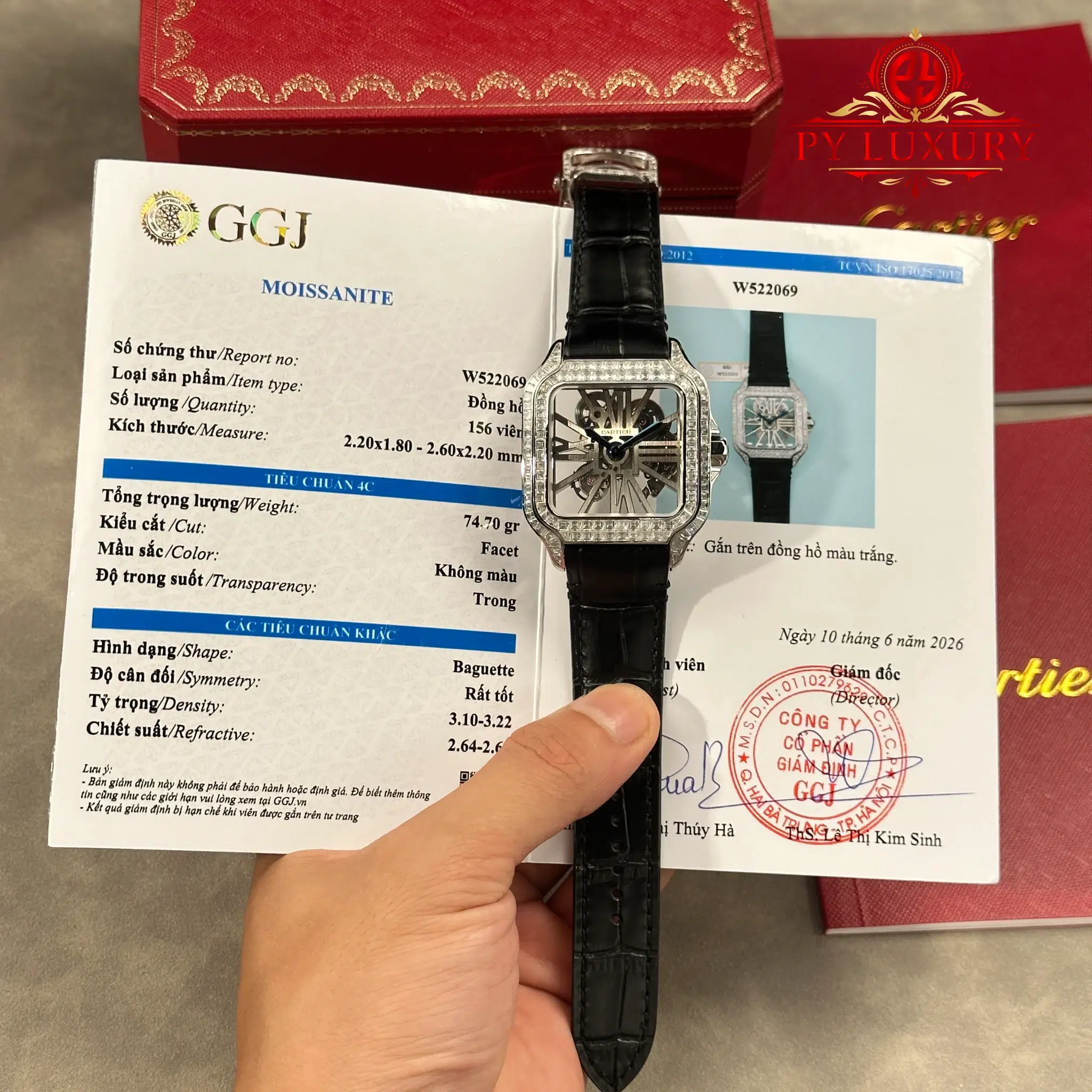
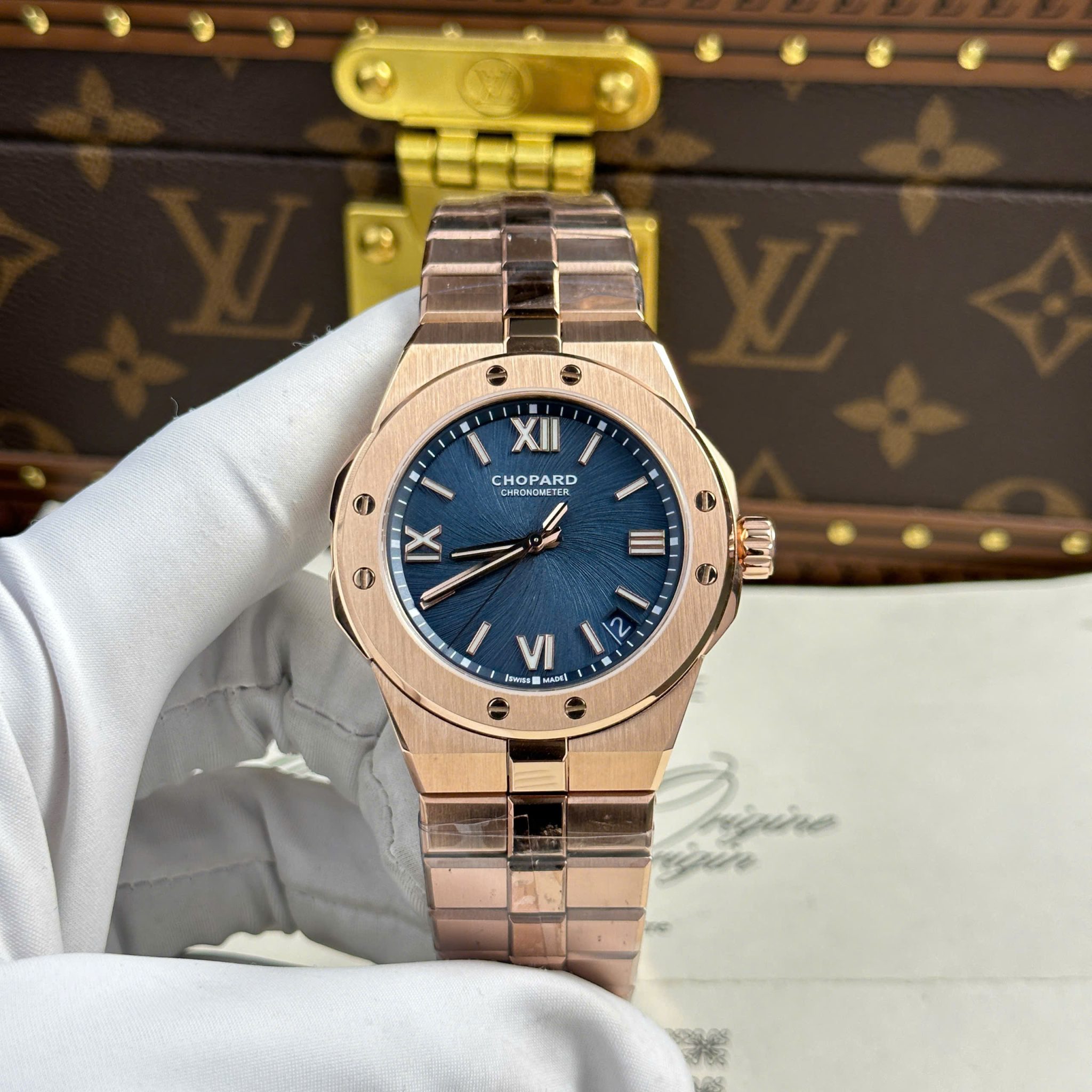
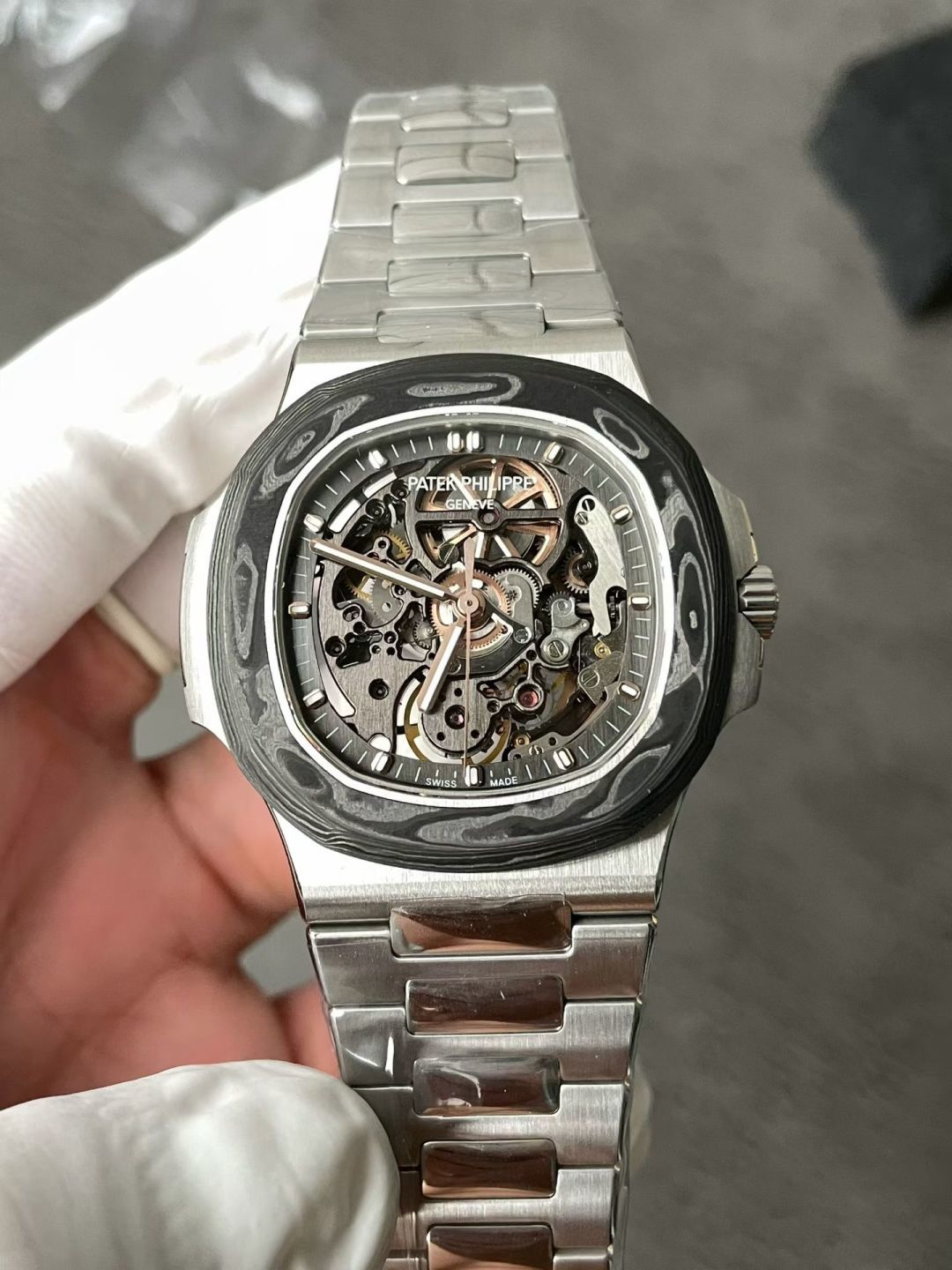
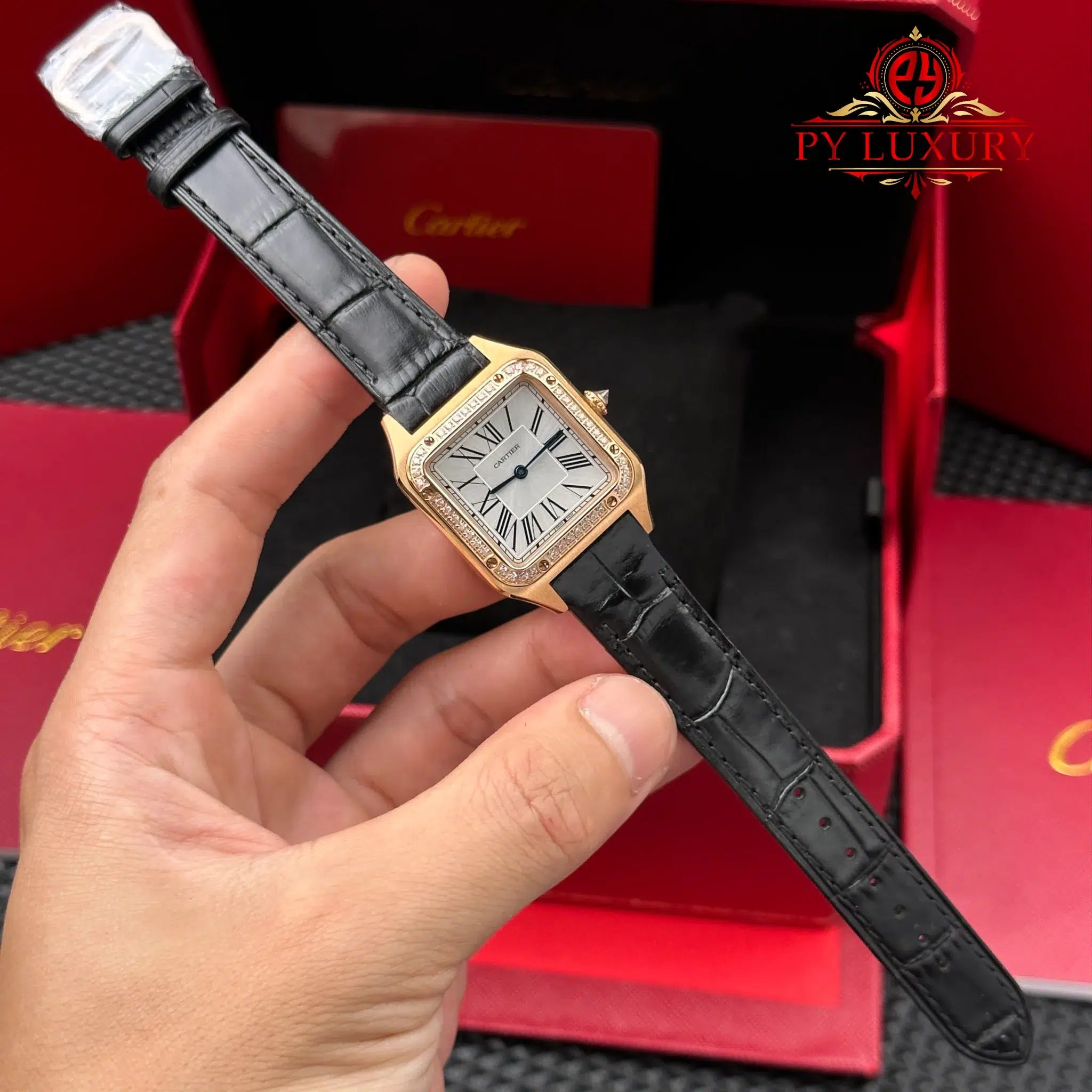
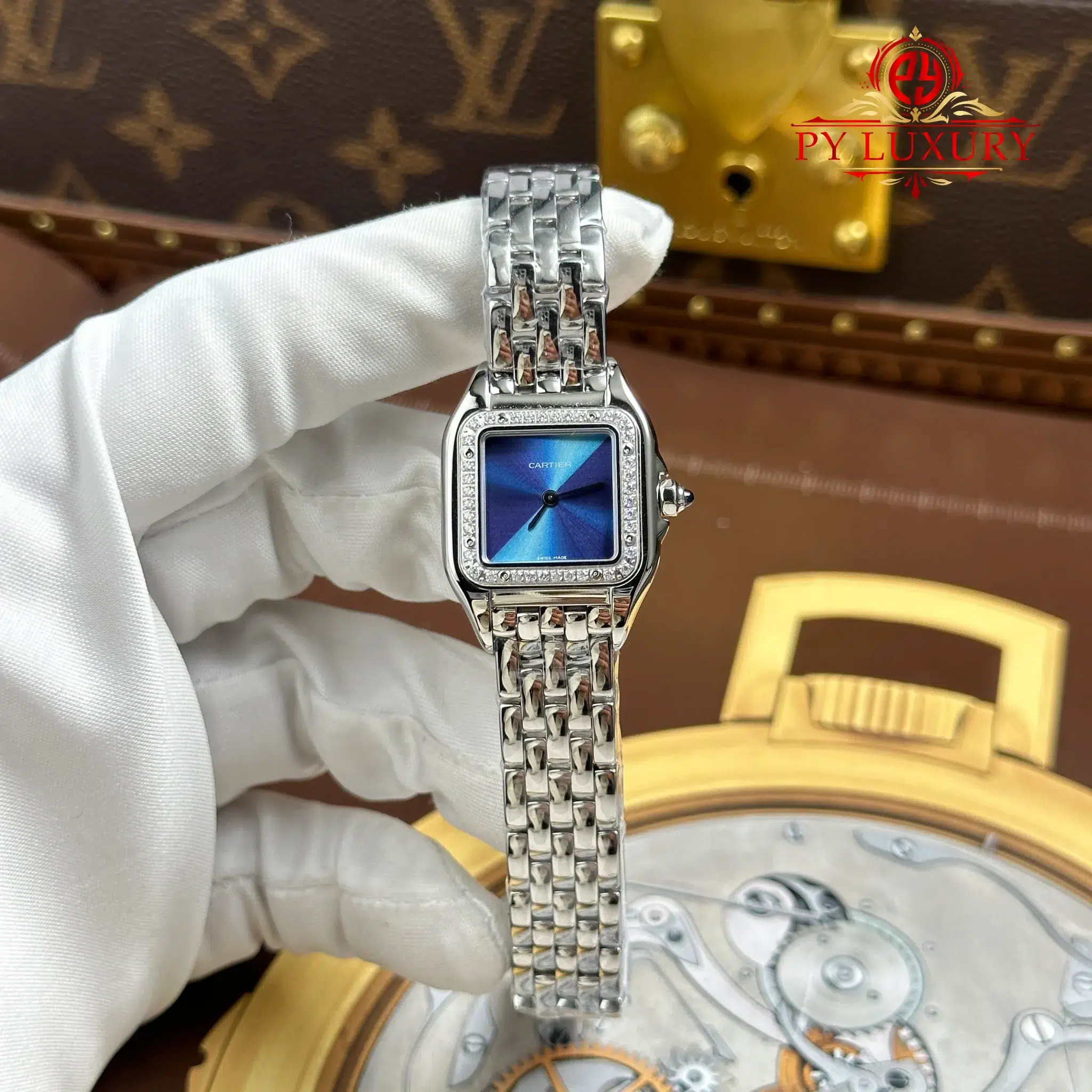
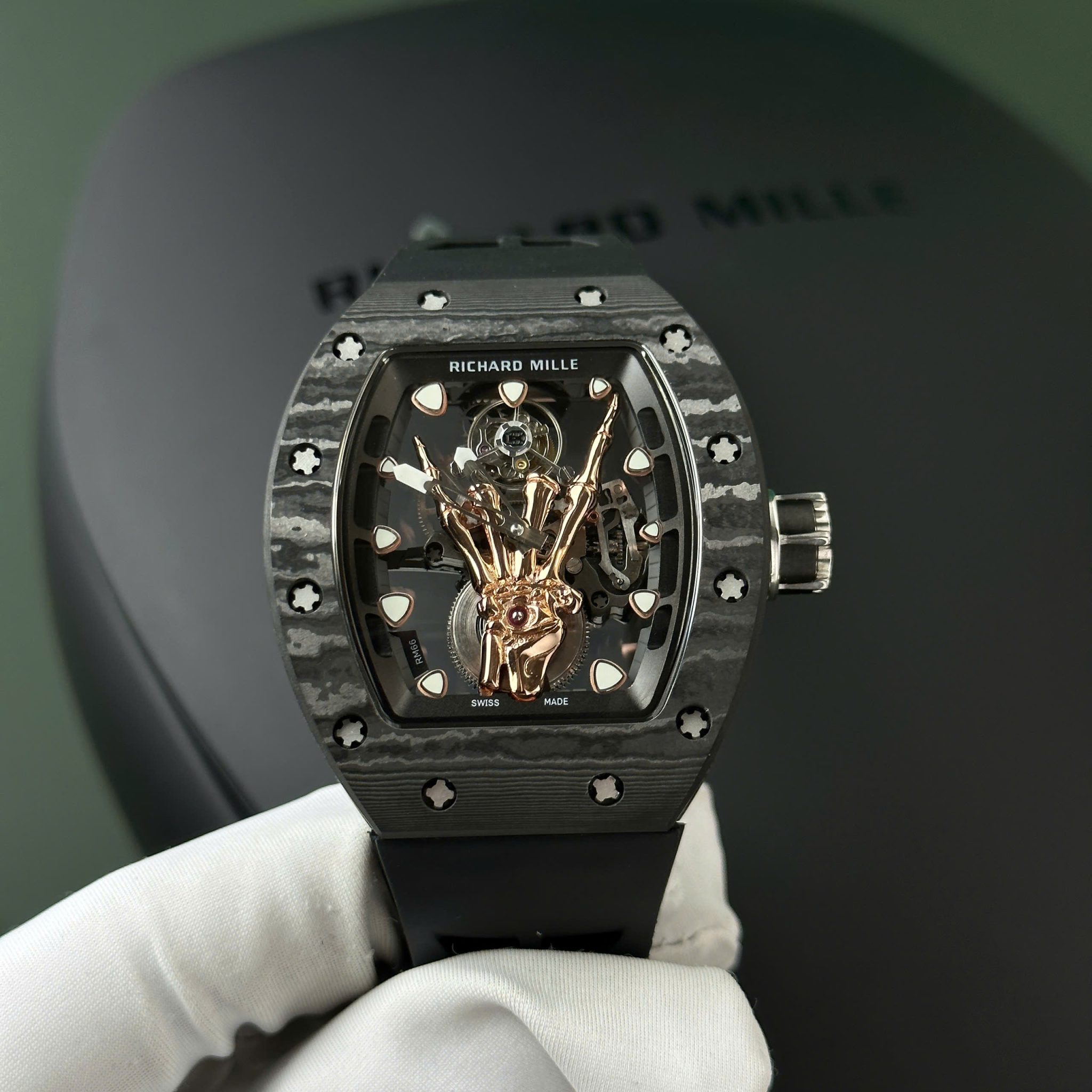
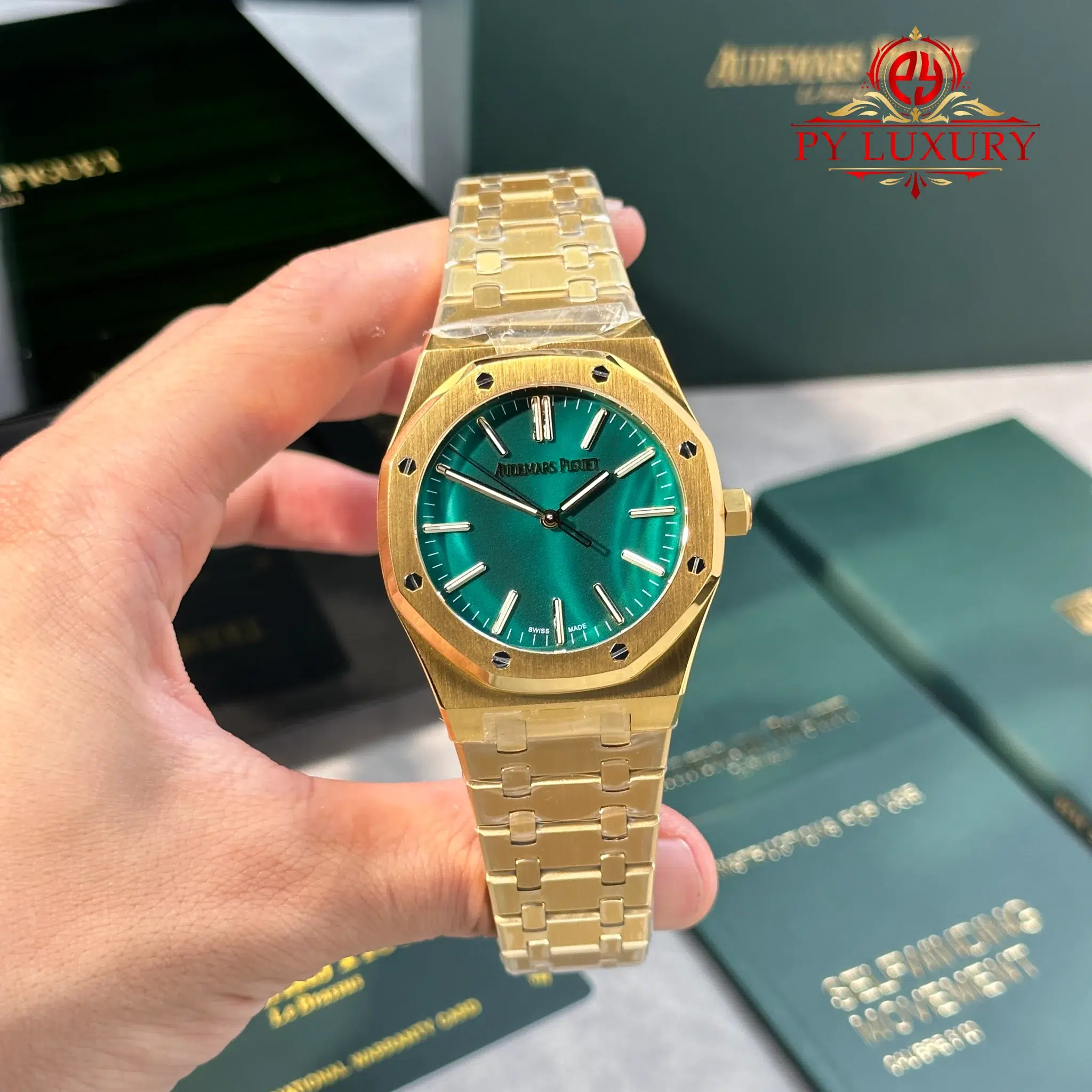
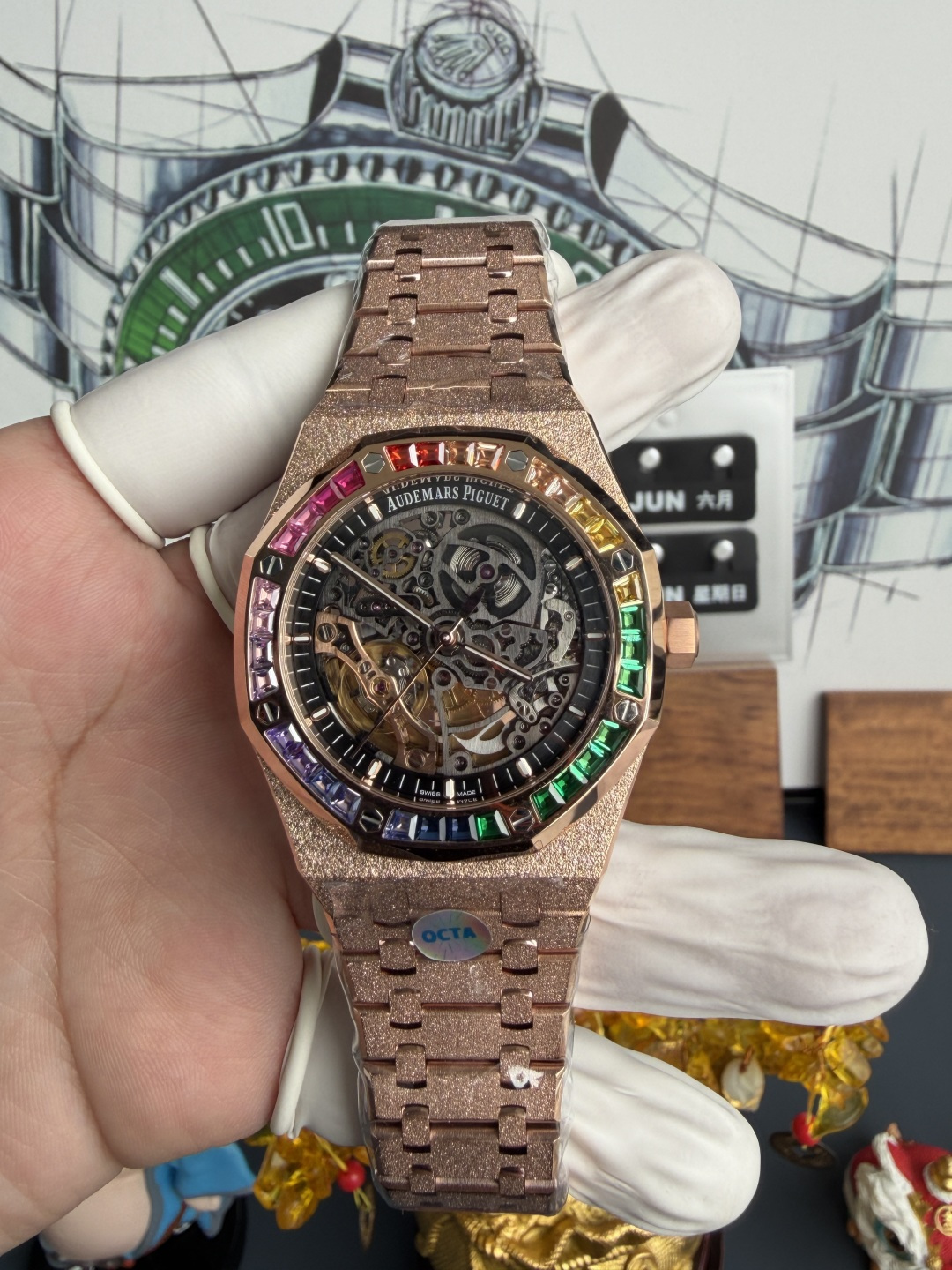
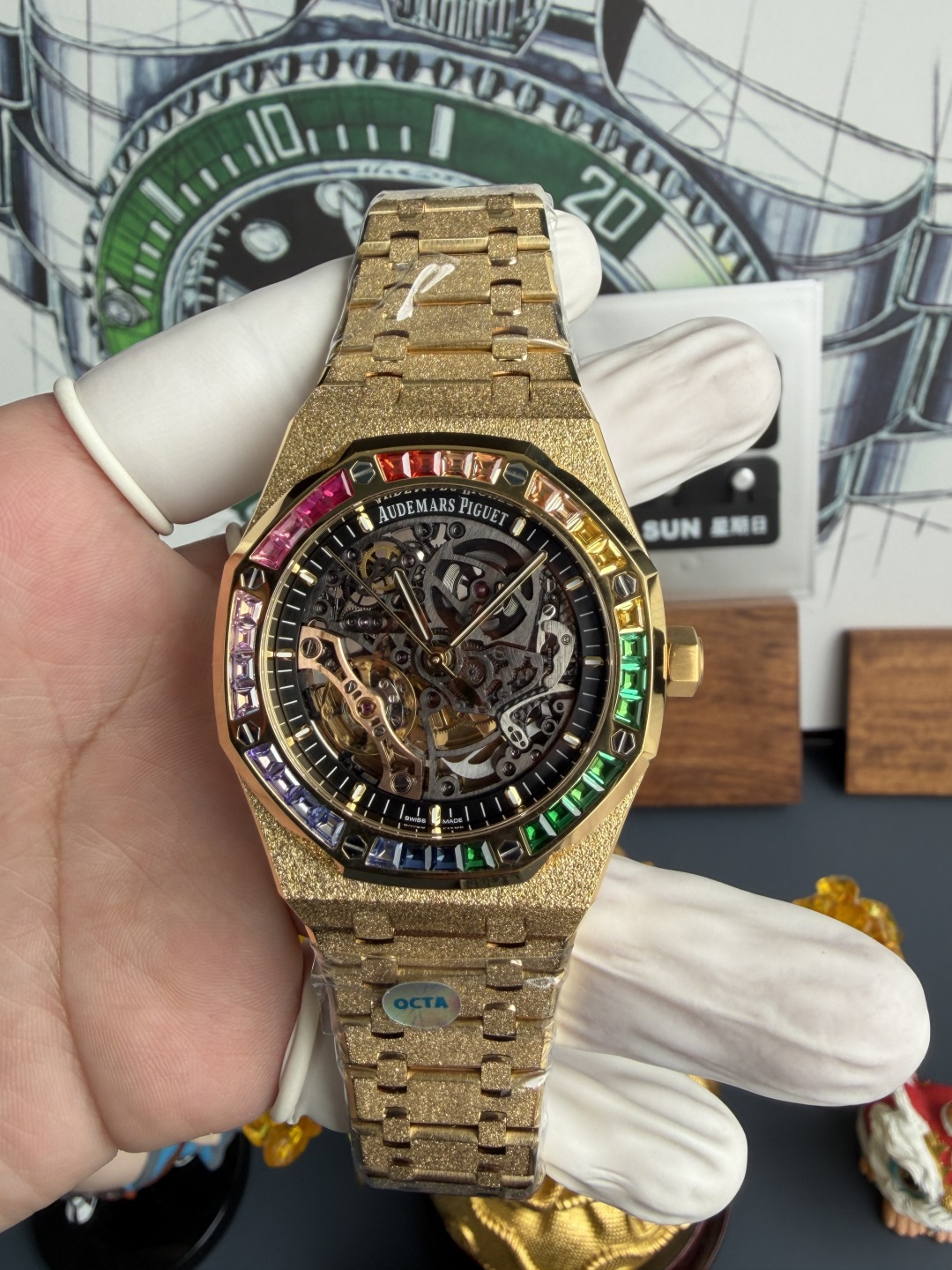
Solid gold is rare in collectibles; most 'gold' watches feature gold-plated steel or brass. The plating's longevity depends on its thickness—higher-end collectibles use 10-15 microns of real gold, which resists wear for years. Cheaper versions may show base metal within months.
Smart Buying Tips for Gold collectibles:
- Edge Inspection: Check the bezel and lug edges, which wear first. Look for any discoloration in pre-owned pieces.
- Weight Test: A solid gold watch would be significantly heavier. If it feels light, it's plated.
- Plating Thickness: Always ask the seller about microns. Avoid anything under 5 microns—it will wear off quickly.
Perfect Occasions: Gold collectibles shine at formal events, parties, or as statement pieces in a collection. They're not ideal for rough daily wear due to potential plating wear.
Ceramic: Scratch-Proof Modernity
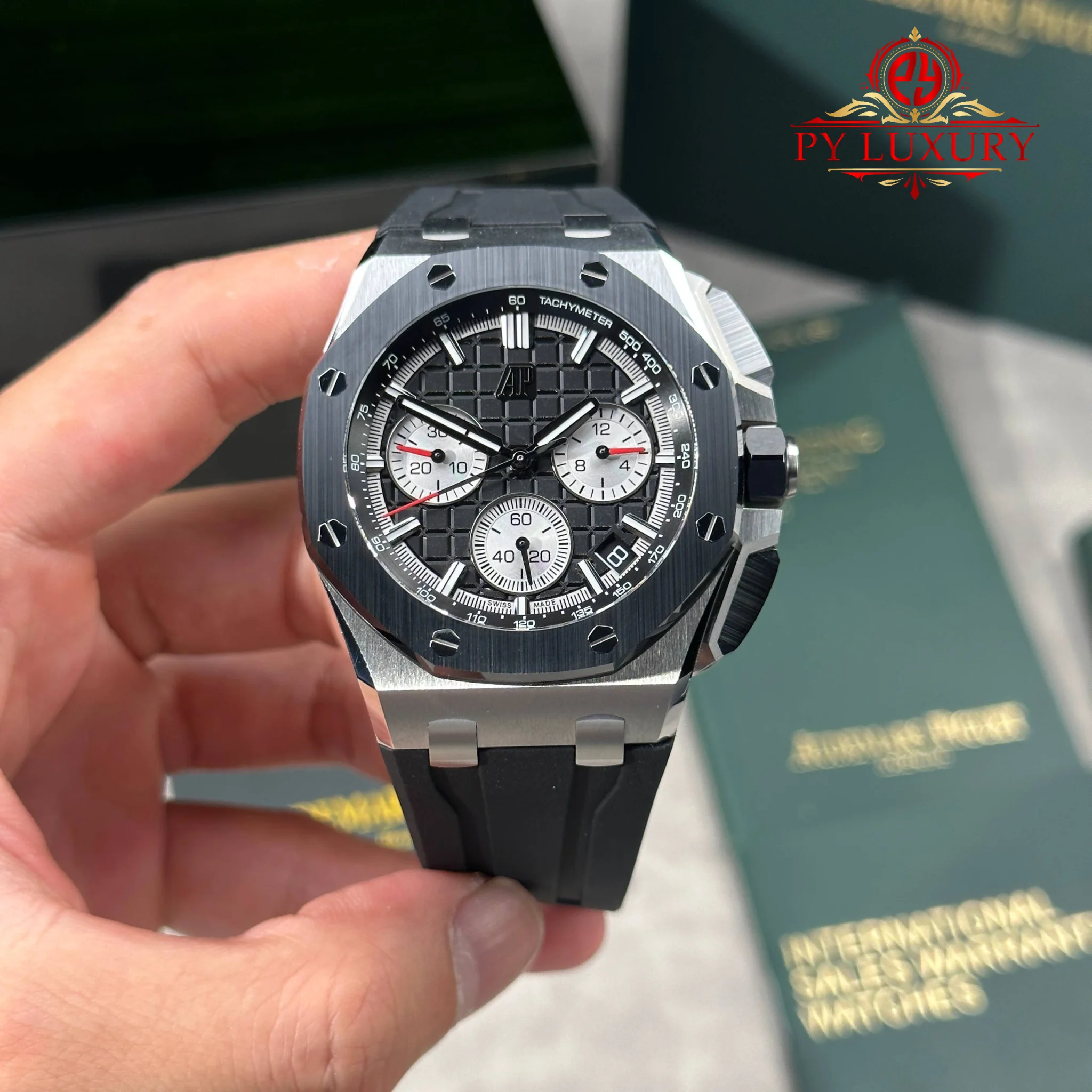
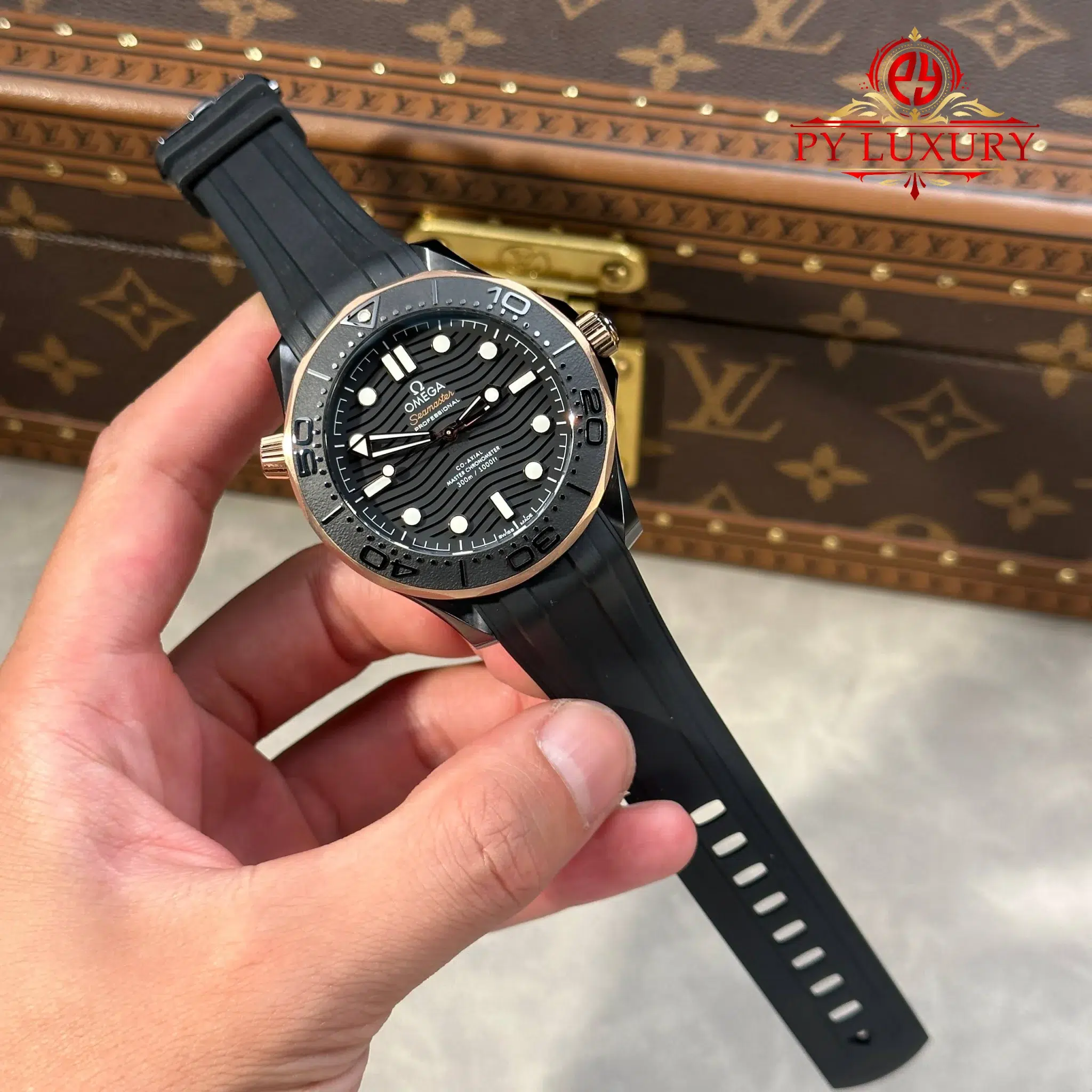
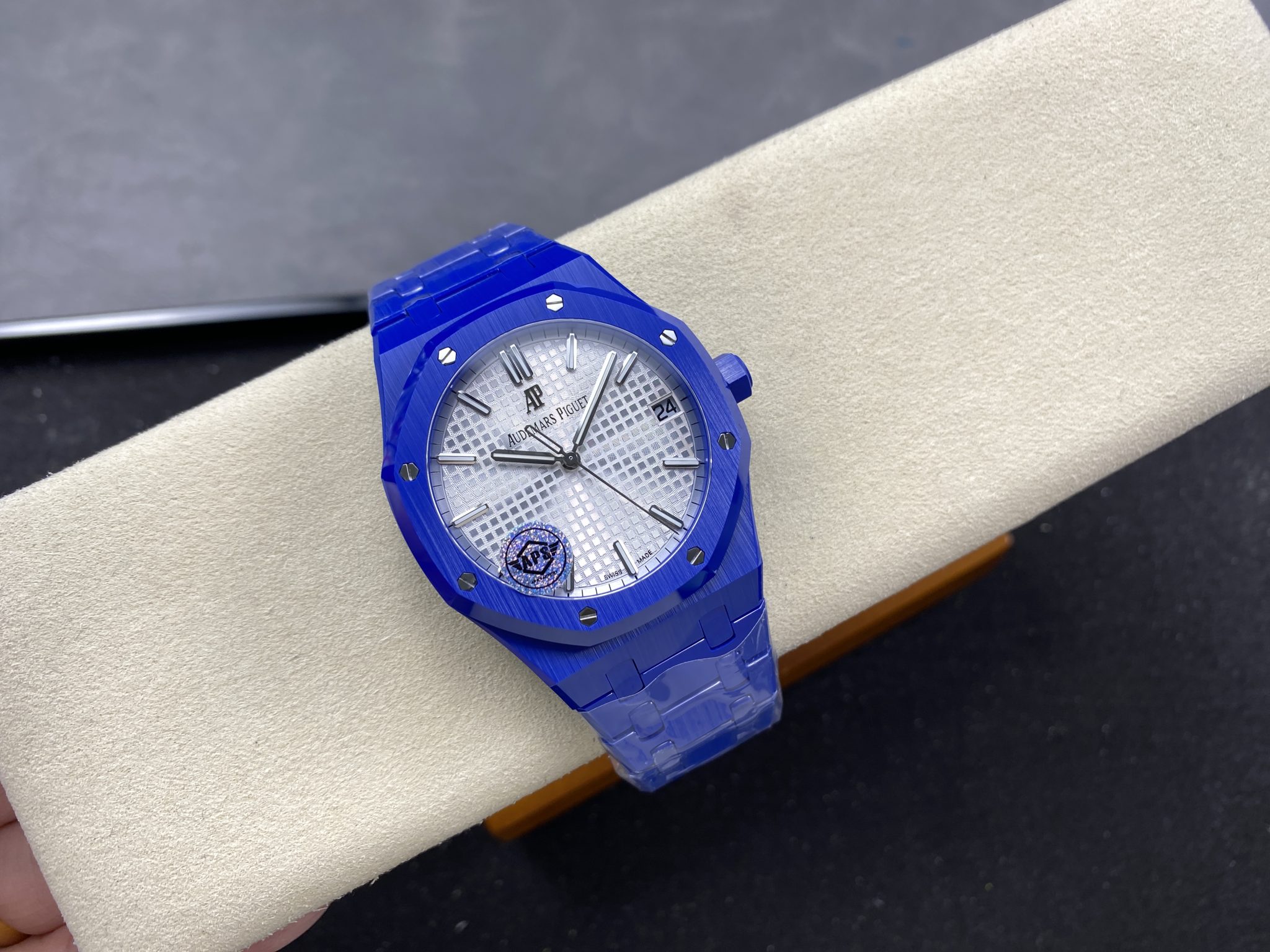
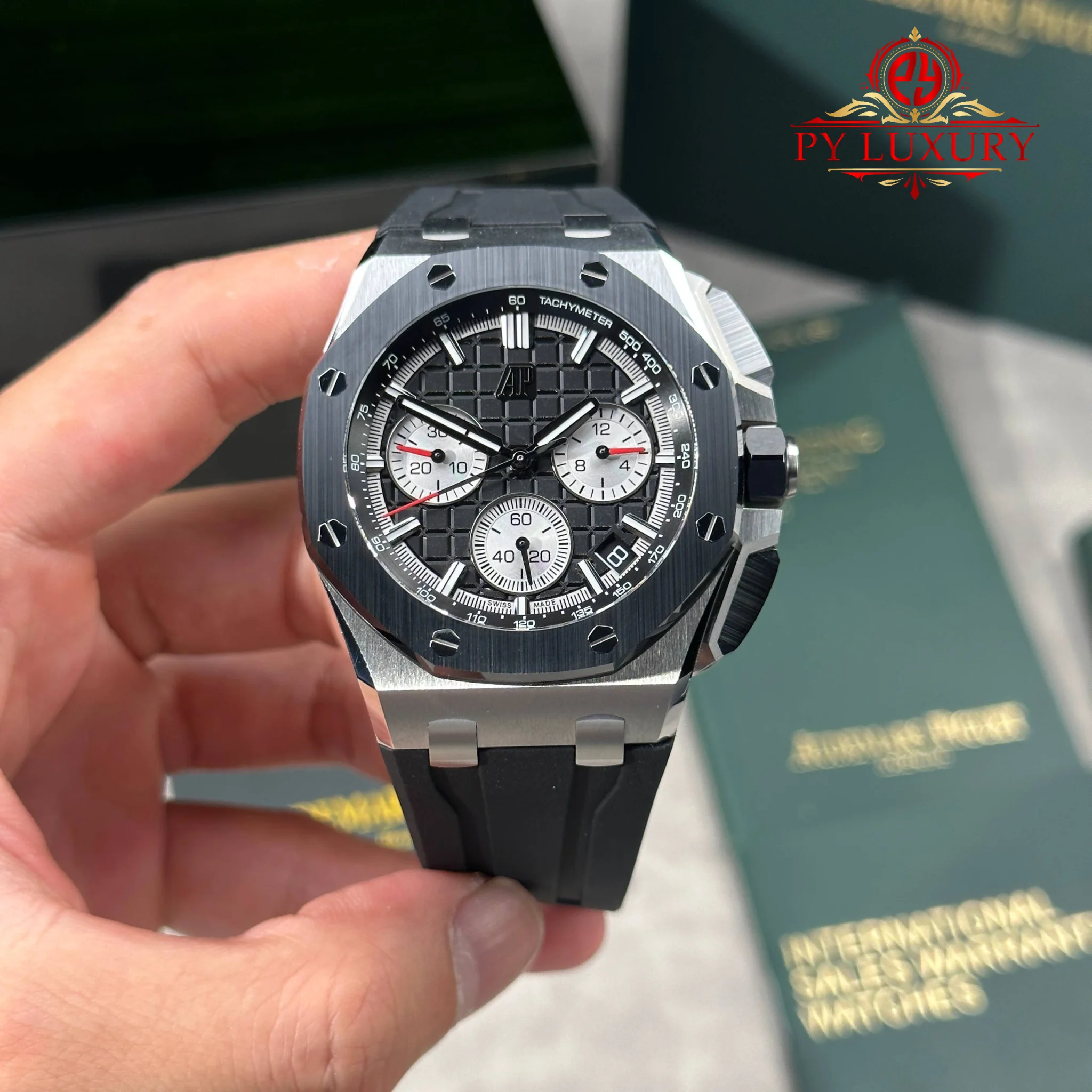
Ceramic bezels and cases offer exceptional hardness (7-8 on the Mohs scale), making them virtually scratch-proof. They resist heat, corrosion, and fading. The main drawback? Ceramic is brittle and can shatter if dropped on a hard surface.
Real vs. Fake Ceramic:
- Gloss: High-quality ceramic has a deep, mirror-like shine. Cheaper materials look plastic-like.
- Weight: Ceramic is lighter than steel but heavier than plastic. Some replicas use painted resin, which feels too light.
- Temperature: Ceramic feels cool to the touch; resin feels warm.
Ideal Applications: Ceramic is perfect for dive watches (the bezel won't scratch) and contemporary dress pieces. Avoid it if you work with hard tools or tend to knock your watch against surfaces.
Making Your Choice
If you seek an all-rounder, 316L stainless steel is your go-to. For a featherweight tool watch, choose titanium. For luxury events, a gold-plated model adds elegance. And for ultimate scratch resistance with a modern edge, ceramic stands out. Always validate material claims with simple tests like the magnet and weight checks to ensure you get what you pay for.
More Questions About Replica Watch Materials
- What is the best material for a replica watch that won't irritate sensitive skin?
- How much does a 316L stainless steel replica watch weigh compared to titanium?
- Can gold-plated replica watches be re-plated when the coating wears off?
- Why is 316L steel considered superior to 304 in replica watch construction?
- Is titanium alloy more prone to scratching than stainless steel in replicas?
- How do I perform a magnet test on a replica watch bracelet?
- Are ceramic bezels on replica watches more durable than steel ones?
- What is the typical plating thickness for high-quality gold replica watches?
- Do titanium replica watches feel cooler on the wrist than steel?
- How can I tell if a replica watch case is made of real ceramic or just painted resin?
- What are the signs of low-grade steel in a replica watch after months of use?
- Is it worth paying extra for a titanium replica watch if I have a small wrist?
- Can gold-plated replica watches withstand daily use in the gym?
- What is the best material for a replica dive watch that needs to resist saltwater corrosion?
- How do I care for a ceramic bezel to prevent chipping or cracking?
- Are there any disadvantages to wearing a titanium replica watch in cold weather?
- What is the difference between 316L and 904L stainless steel in replica watches?
- Do all high-end replica watch brands use 316L steel for their cases?
- How long does gold plating last on a replica watch if worn occasionally?
- Which material offers the best value for money in a premium replica watch?