Article
Watch Care Mastery: Boost Accuracy and Extend Lifespan with Expert Tips
Quick Questions
- Is a 1:1 replica watch worth the investment if you don’t maintain it regularly?
- What are the most common mistakes that ruin a replica watch’s accuracy and finish?
- How can you tell if your replica movement needs professional servicing or just a simple DIY fix?
- Why do some replica watches lose time faster than others despite being the same model?
- Where can you find reliable advice on caring for a high-end clone without damaging it?
Owning a high-quality collectible timepieces is about more than just buying the right model—it’s about keeping it running flawlessly for years. Even the best will degrade without deliberate care, and the difference between a watch that lasts and one that fails often comes down to simple habits. This guide walks you through practical, -specific maintenance strategies that protect both movement performance and visual appeal, so your continues to impress.
Daily Habits That Preserve Precision
Guard Against Moisture—The Right Way
Water exposure is the quickest route to disaster for any watch, and collectibles are no exception. Never assume a claimed water resistance rating is genuine. If your watch does come into contact with moisture, gently dab it dry with a lint-free cloth, then let it sit in a cool, dark place. Avoid heat sources like hair dryers or radiators, as they can distort rubber gaskets and upset the delicate balance wheel, leading to erratic timekeeping.
Keep the Movement Active
Mechanical collectibles that sit in a drawer for weeks can suffer from dried lubricants and stiff gears. To maintain accuracy, wear your automatic or hand-wound at least every other day. For automatics, a watch winder is a worthwhile investment—it keeps the rotor turning and the mainspring tensioned, so the watch stays within its designed performance range.
Clean with Caution
Dirt and grime on the case or bracelet can mar the finish and even sneak into the crown. Use a microfiber cloth for routine wiping. For metal bracelets, a soft toothbrush with a tiny amount of mild soap and water works wonders—just dry immediately. Steer clear of alcohol, acetone, or any abrasive cleaner; these can strip protective coatings or weaken water-resistant seals.
Beware of Magnetic Fields
Magnetization is a silent killer of accuracy. Keep your away from speakers, magnetic clasps, and even smartphones. If you notice the watch running fast, a cheap demagnetizer can often restore normal function in seconds, saving you a trip to a technician.
When to Seek Professional Help
Regulation: A Delicate Balance
If your is off by more than a few seconds per day, it might need a regulator adjustment—a tiny lever on the movement that controls timing. However, this is a job for an expert familiar with Asian. A single misstep can damage the hairspring, so resist the DIY urge unless you have training. Signs that you need a pro: the watch stops randomly or loses/gains over ten minutes daily.
Waterproofing Failures
Condensation under the crystal or a loose crown means the gaskets have failed. Do not open the caseback yourself—this lets moisture in and can destroy the movement. Instead, place the watch in a sealed container with silica gel to absorb humidity, then bring it to a technician who can pressure-test and replace the seals.
Dial Replacement: Choose Wisely
A cracked or discolored dial is more than a cosmetic issue; it can allow dust to enter the movement. When ordering a replacement, match it exactly to your ’s case size and movement type (such as 2813 or 2824). A proper fit not only looks better but also maintains water resistance.
Quality Checks During Maintenance
Servicing is an ideal time to assess your ’s build quality. Compare the rotor’s rotation smoothness—genuine movements like Rolex have a fluid feel, while may be rougher. Count the jewels: a high-grade 2824 typically uses 25 to 31 jewels, while cheaper versions have fewer. Also, check for a hologram sticker on the caseback; most collectibles lack it, but some super- include it as a detail. These observations help you gauge how long your watch will last and plan future service intervals.
Who Is This For?
collectible watches suit enthusiasts who appreciate luxury aesthetics without the price tag, or collectors who need a daily beater that won’t cause sleepless nights if scratched. They’re also great for frequent travelers who prefer not to wear a precious original. But remember: neglect amplifies flaws. A well-maintained can serve faithfully for many years, while a neglected one will quickly reveal its shortcuts.
Styling and Practical Pairing
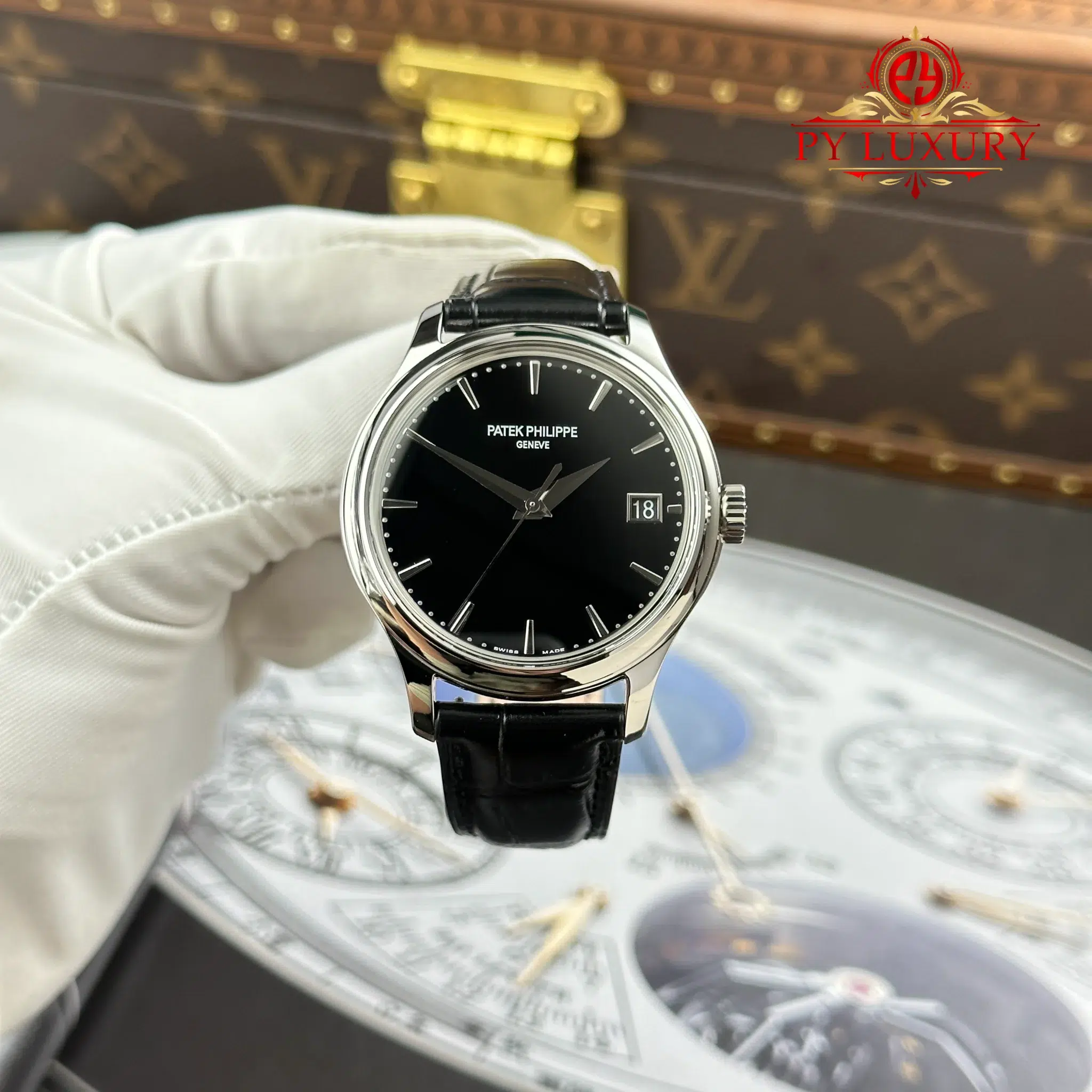
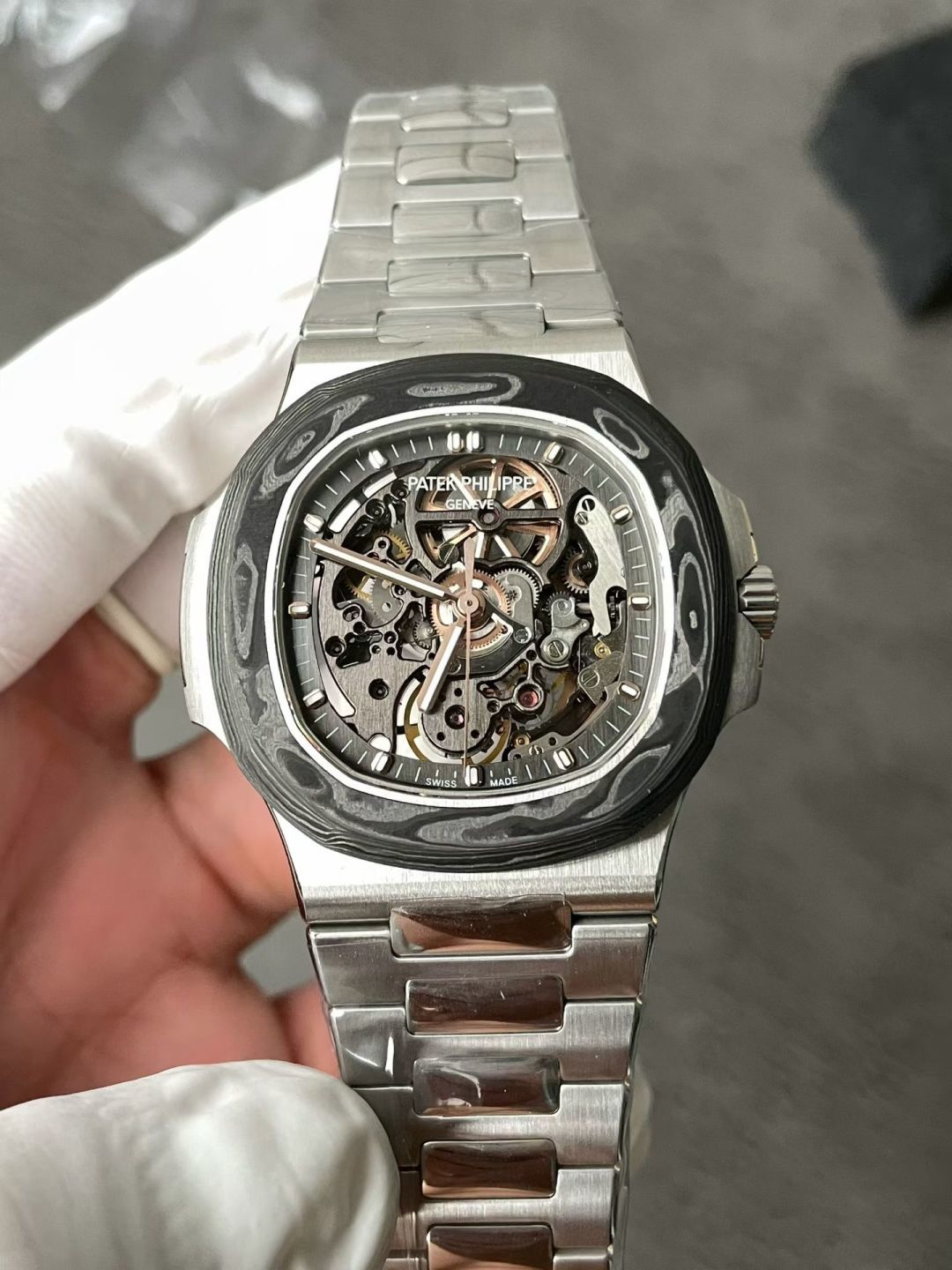
Dress watches: Pair a Patek Calatrava with a leather strap and a navy suit. Keep it away from water entirely—its elegance is its strength, not its durability.
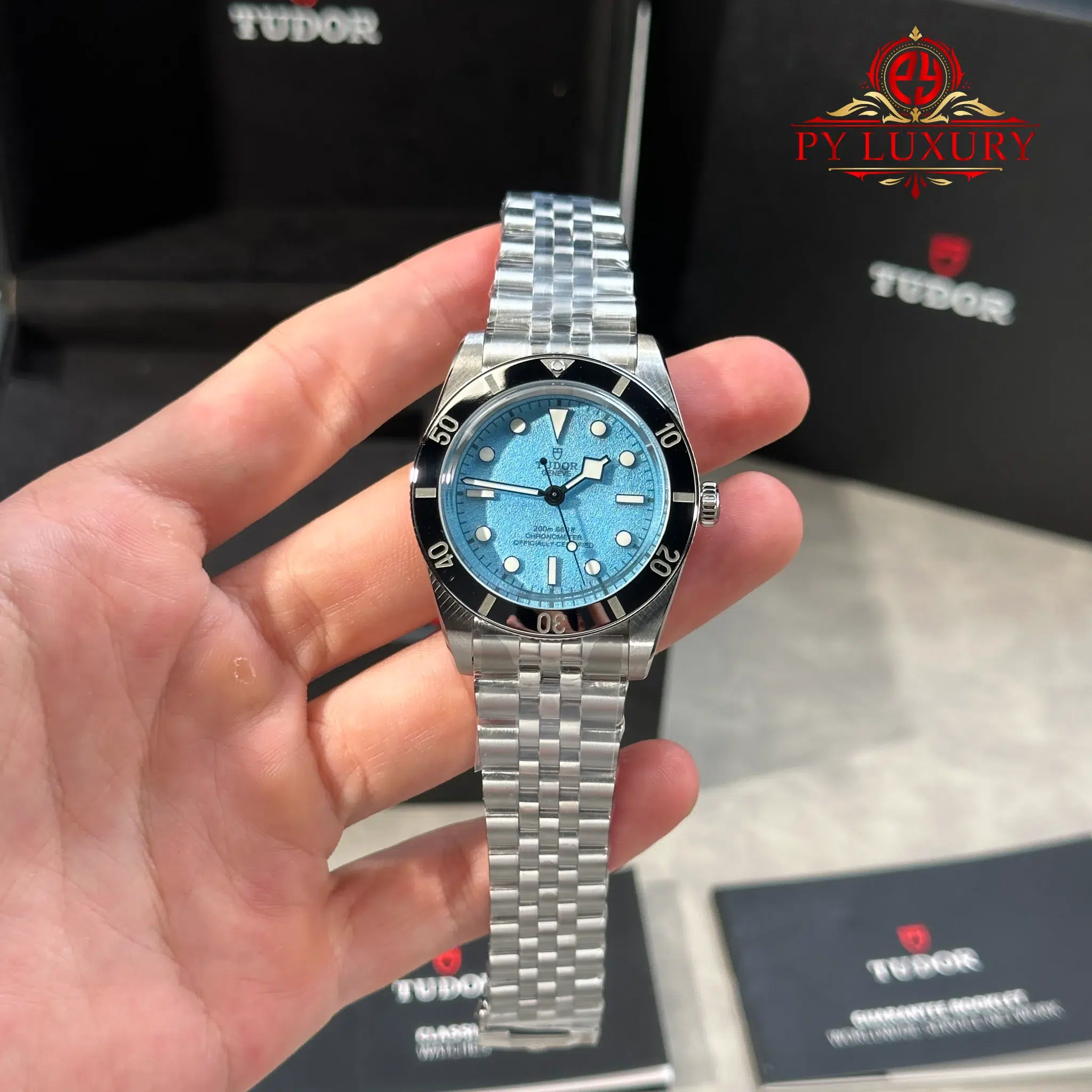
Sports models: A Rolex Submariner looks sharp with casual attire, but don’t trust its water resistance. Remove it before swimming or diving.
Chronographs: Keep pushers clean and avoid excessive use; grit can jam the mechanism. Use them for short timing tasks only.
Bracelets: Polish stainless steel with a Cape Cod cloth to restore shine. On gold-plated bracelets, be gentle to avoid wearing away the plating.
More Questions About Replica Watch Care
- How much does it cost to service a 1:1 replica watch in the USA?
- What is the best way to demagnetize a replica watch at home?
- How often should I wind a mechanical replica watch to keep it accurate?
- Can I use a regular watch winder for a Rolex clone automatic movement?
- Will a replica watch last longer if I wear it daily or only occasionally?
- What are the top signs that a replica watch needs immediate professional maintenance?
- Is it safe to clean a replica watch dial with a damp cloth?
- How do I know if my replica watch’s gaskets have failed?
- What is the typical accuracy range for a high-end replica watch after regulation?
- Can a replica watch be repaired with genuine parts if something breaks?
- Should I oil a replica watch movement myself to improve performance?
- What are the differences between 2813 and 2824 movements in terms of maintenance?
- How can I tell if a replica watch has been magnetized without special tools?
- Is it worth buying a pressure tester to check replica watch water resistance at home?
- Do replica watches require a break-in period for the movement?
- What is the best storage solution to keep a replica watch safe when not in use?
- Can I adjust the time on a replica Rolex while the crown is pulled out safely?
- Why does my replica watch stop when I take it off for a day?
- Are there any specific cleaning products that are safe for replica watch bracelets?
- How long can a replica watch last with proper care and regular servicing?